
Last updated November 14, 2026
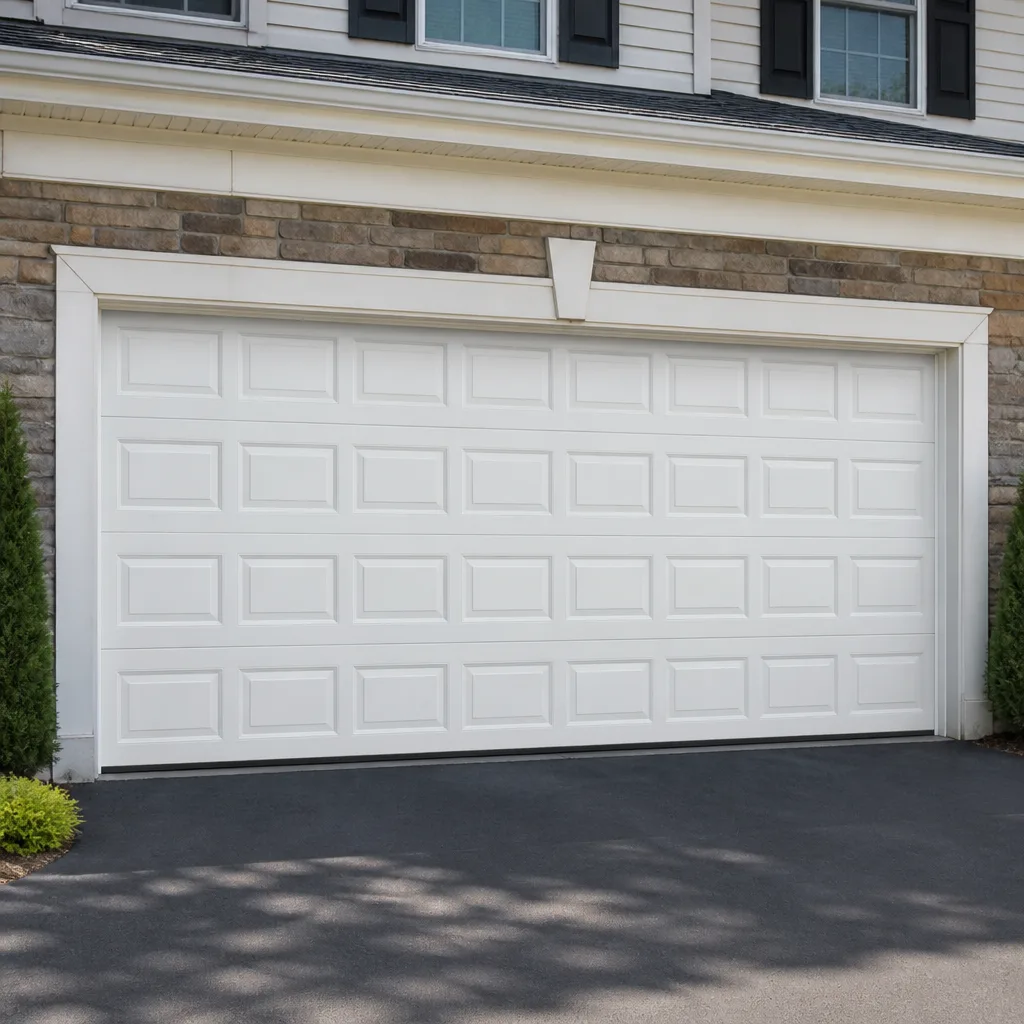 Raised-panel steel
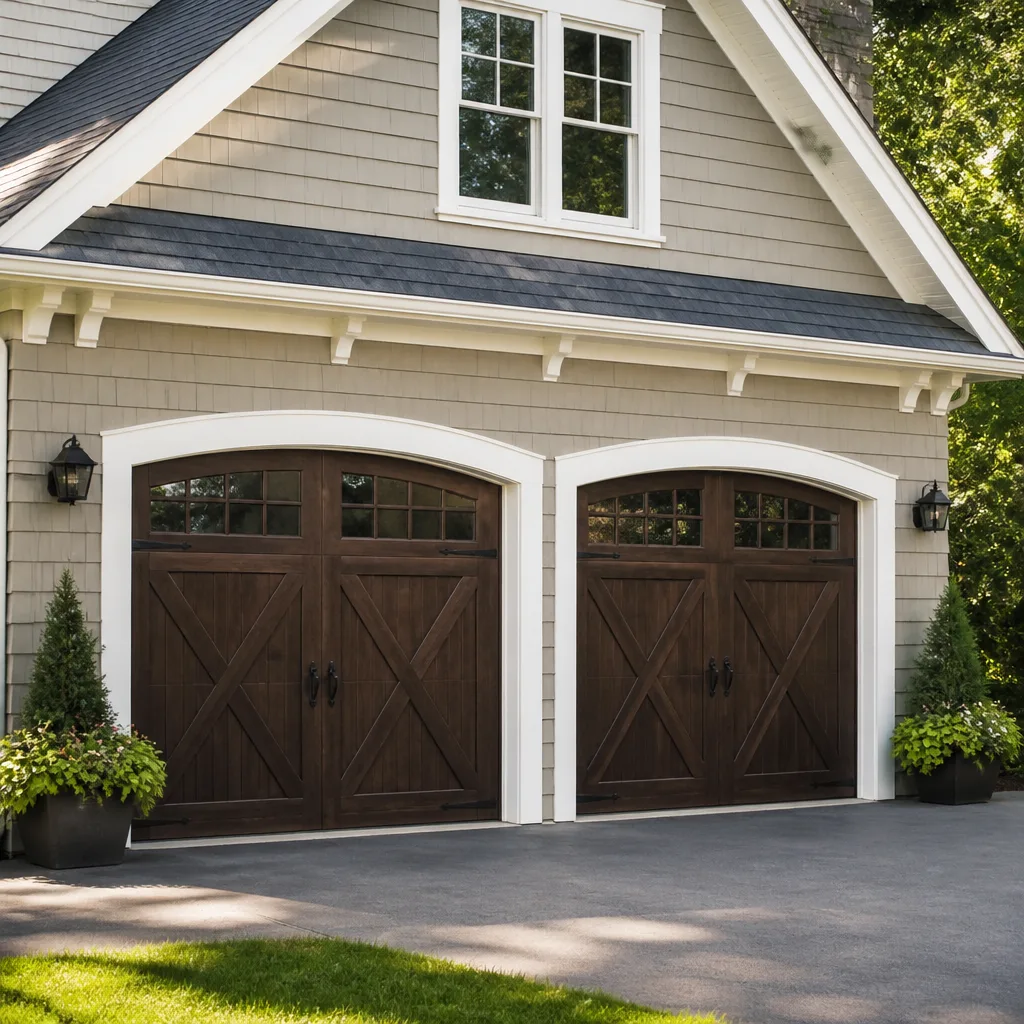 Carriage house
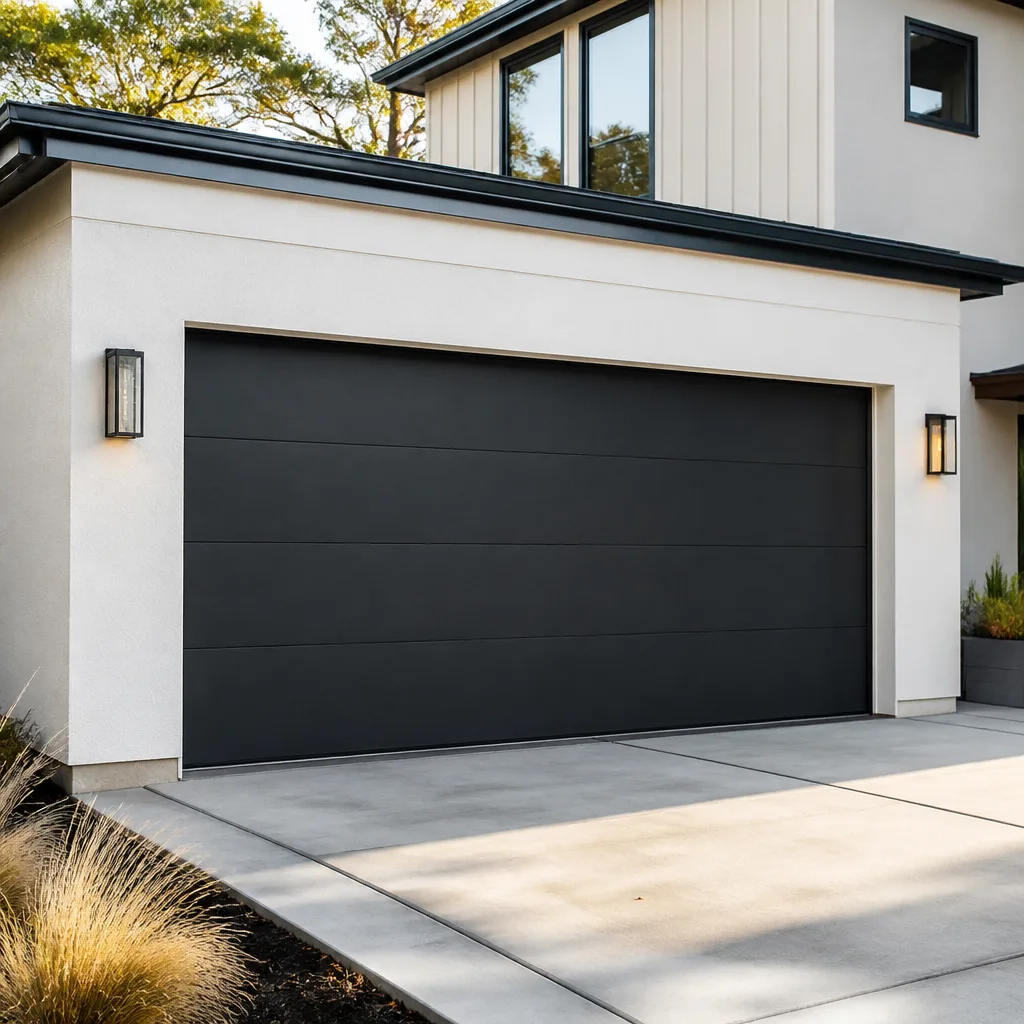 Modern flush
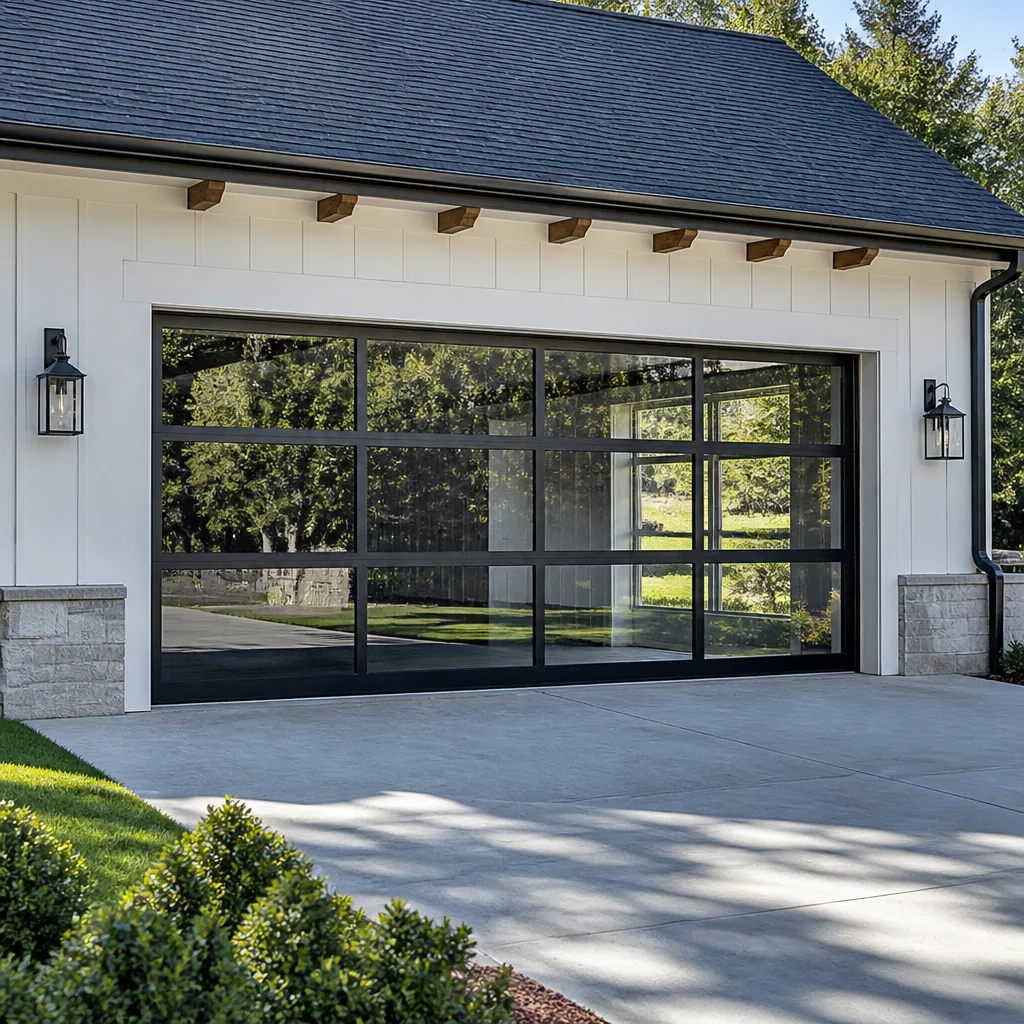 Full-view glass
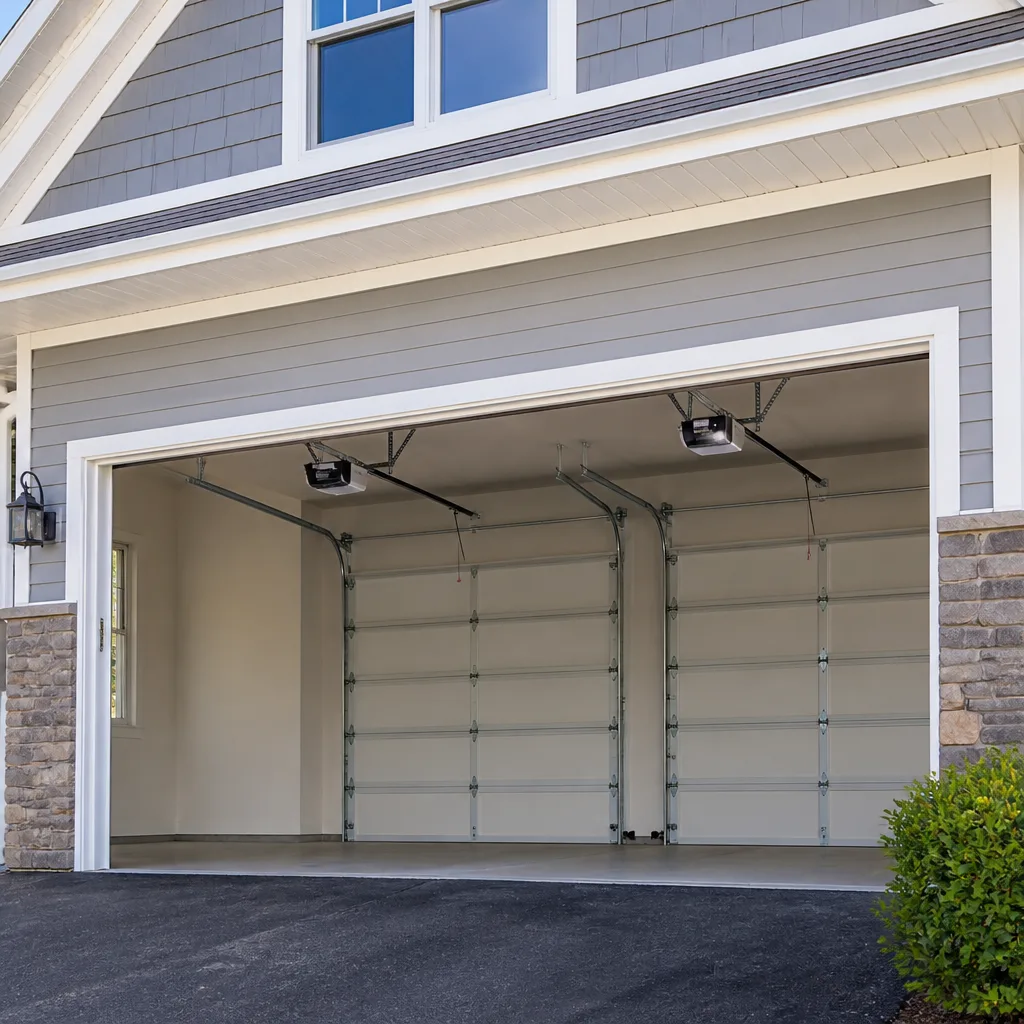 LiftMaster openers
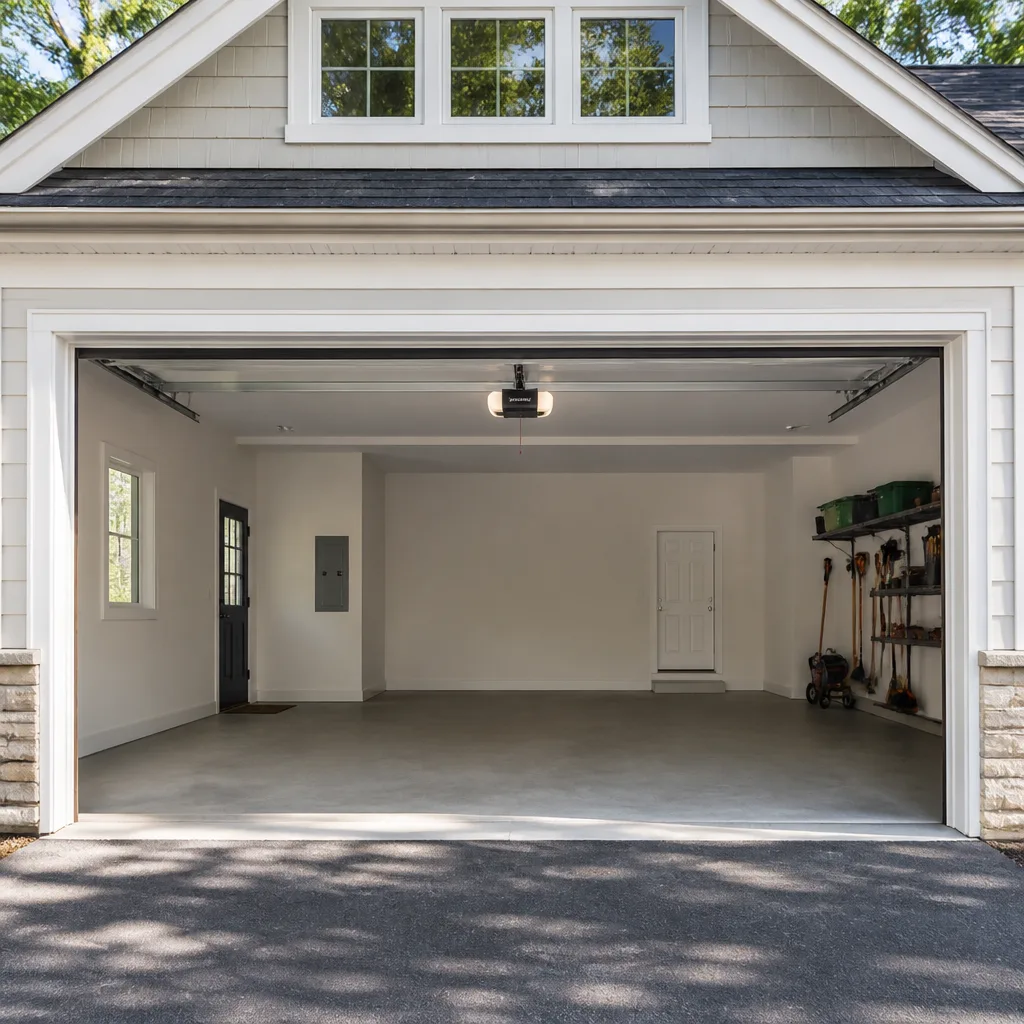 Chamberlain openers
Full 25-point door and opener safety check with every visit - springs, cables, rollers, tracks, and your LiftMaster or Chamberlain opener included
You get a price before we start. It does not change when the truck arrives.
Get your free estimateGarage Door Emergency Preparedness Guide for Kansas City Homes
The call that surprises most Kansas City homeowners during severe weather isn’t about storm damage at all. It’s about being locked out of a garage that simply won’t open, because a frozen weather seal or a dead opener turned the biggest door in the house into a wall. Long before any warning siren sounds, a few small habits decide whether your garage becomes a refuge or a roadblock. This guide walks through the specific moves that matter in Kansas City: tornado-season prep, winter ice and frozen seals, power outages, and what to inspect after a storm passes before you ever press the opener button. Everything here is practical, and most of it costs nothing but an afternoon and a checklist.
Quick Answer
Garage door emergency preparedness in Kansas City comes down to three things: know how to release your door from the opener by hand, have a battery backup or a clear plan for power outages, and inspect tracks, panels and seals before and after severe weather so a small problem doesn’t trap your car. The garage door is a structural and mechanical system, and treating it as one before tornado season and ice season is the difference between a minor inconvenience and a real safety problem. This guide covers each step in detail.
Styles & brands we work with
- Raised-panel steel
- Carriage house
- Modern flush
- Full-view glass
- LiftMaster openers
- Chamberlain openers
Table of Contents
- Why Kansas City Weather Makes Garage Door Prep Different
- How to Use the Emergency Release Cord Correctly
- Battery Backup Openers for Power Outages
- Tornado-Season Checklist for Your Garage Door
- How to Free a Frozen-Shut Door Safely in Winter
- What to Inspect After a Storm Before You Operate the Door
- When a Garage Door Problem Is a Call-a-Pro Situation
- Frequently Asked Questions
Why Kansas City Weather Makes Garage Door Prep Different
Kansas City sits in a part of the country that sees both severe thunderstorm and tornado risk in spring and early summer, and hard freezes and ice in winter. That combination is tough on a garage door in ways a mild climate never is. Summer heat and humidity work on the seals and the hardware. Winter freeze-thaw cycles work on the bottom seal and the concrete the door meets. Spring storm season tests whether the whole system is anchored and aligned.
Most of the homes across Kansas City and the surrounding neighborhoods have a garage door system that’s never been checked as a structure. It’s treated as an appliance. That habit works fine until the weather turns and the door won’t budge, and then the homeowner is stuck. The neighborhoods where we see this most are the ones built through the middle of the last century and later, with a mix of Amarr, Wayne Dalton and Clopay doors still running on original openers. Age alone isn’t the problem; it’s that nobody has looked at the system in years.
What makes Kansas City different is the timing. Tornado season doesn’t wait for you to get ready, and ice storms don’t announce themselves far ahead. The work of prep has to happen before the event, not during it. A homeowner who has tested the manual release and cleared the garage bay is in a completely different position than one who discovers a problem when power is already out and the weather is driving everyone inside.
How to Use the Emergency Release Cord Correctly
Every garage door opener has a manual release cord, usually a red handle hanging from the trolley that rides the rail. Pulled correctly, it disconnects the door from the opener so you can lift it by hand. Pulled in the wrong situation, it can leave you with a door that won’t reconnect, or worse, one that drops. The technique matters.
Here’s the sequence that avoids the trap most homeowners fall into:
- Close the door fully and confirm the opener has finished its cycle. If the door is partway open with tension on it, do not pull the cord yet.
- If the opener is working at all, run the door to the fully closed position using the wall button, then stop.
- Hold the door panel with one hand near the bottom center.
- Pull the release cord straight down until the trolley disconnects. You should hear or feel a clean release.
- Lift the door slowly by hand, using the center lift handle. If it feels extremely heavy or won’t move, stop and call for help rather than forcing it.
- When you want to reconnect, close the door fully, then press the opener button. The trolley will re-engage on its own on most current openers.
The technique that avoids the disconnected-trolley problem is never pulling the cord while the door is in motion, and never pulling it with the door hanging partway open. If you’ve ever had a door that wouldn’t reconnect after a release, that’s usually why. Once the door is disconnected, watch out for the door dropping if it’s not held; if the door has a failing spring, releasing the opener can let gravity take over. A door with a broken spring should never be operated by hand. The spring above the door holds enormous tension and is a genuine hazard, and that goes for torsion and extension systems alike. Leave it to a trained technician.
Practice the release once on a calm day so you and everyone in the house know how it works before you need it. This is also a good moment to check that the cord is within reach and not tangled. We cover related repair needs through our garage door repair service if you find the release doesn’t work cleanly.
Battery Backup Openers for Power Outages
Power outages during severe weather are a regular occurrence in Kansas City, and a garage door opener that needs household current is dead when the power goes. A battery backup opener solves this directly. It runs the door from a rechargeable battery for a limited number of cycles when the power is out, which is more than enough to get a car in or out during a storm.
If you have a LiftMaster or Chamberlain opener, there’s a reasonable chance it already supports battery backup, or that the battery is available for it. Some newer Genie models support it too. The battery sits in the opener head and charges while the power is on. The catch most homeowners miss is that the battery needs to actually hold a charge; a battery that’s been sitting for years may not be usable when you need it. Most openers with backup have an indicator light or a beep that tells you the battery status.
- Check your opener’s model number. Look at the label on the back of the opener head or the end panel. Then check the manufacturer’s documentation for battery backup support.
- Test the battery periodically. Some models have a test button; others will signal a low battery. If it won’t hold, replace it.
- Know how long it runs. Backup batteries vary, but none of them last indefinitely. Plan to use the door sparingly during an outage.
- Add a UPS to the outlet. A small uninterruptible power supply on the opener outlet also works, though it’s a workaround rather than a designed solution.
If your opener is old and has no backup option, an upgrade to a current opener with backup is worth considering before storm season. We can look at what you have and talk through the options honestly. Our garage door opener repair service covers diagnosis of the battery and drive system together, since the two most common failure points live in the same head.
Tornado-Season Checklist for Your Garage Door
Treat the garage door as a structure when you prep for tornado season. It’s the largest opening in the house, and the door, tracks and frame are the parts that take wind load. You’re not trying to make the door tornado-proof, which no standard residential door is. You’re making sure it’s in its normal, correct state so it behaves the way it was designed to.
- Test the manual release. Confirm the cord is reachable and the door disconnects cleanly and reconnects afterwards.
- Look at the anchor points. The brackets that hold the tracks to the wall should be tight. The lag bolts should be snug, not loose in the wood. Loose anchors mean the door can shift under wind loading.
- Check the balance. Disconnect the opener and lift the door by hand to about waist height. A balanced door stays put. A door that falls or won’t stay up has a spring problem.
- Clear the door path. That includes the space beside the tracks and the area the door swings through. Nothing should be leaning against the door or blocking the way the panels move.
- Store away from the door. Anything that could fall or blow against the inside of the door should be moved. That means shelving, tools, and anything that could become a projectile if wind gets inside.
- Know your exit. If the garage is your storm shelter access or your way out, make sure the manual release works and the door can be opened without the opener.
If you have a door from Raynor, Craftsman or any of the widely installed brands, the check above is the same. The mechanics are universal. What differs is where the adjustment points are and how the tracks are mounted, and that’s where a technician who knows the brand saves you trial and error. We’ve worked on the major brands across Kansas City for years, and the garage door is often the part of tornado prep homeowners skip.
How to Free a Frozen-Shut Door Safely in Winter
Winter ice and frozen bottom seals are behind a lot of the calls we get. The door is closed and won’t move, or it lifts partway and then stops. Forcing it is the wrong move; it can damage panels, tear the bottom seal, and strain the opener’s drive system. Here’s how to handle it without doing harm.
- Disconnect the opener first. Pull the emergency release so the opener doesn’t fight the stuck door. This protects the drive gears and the trolley.
- Locate the freeze point. Run your hand along the bottom seal and the frame. Most frozen-shut doors are stuck at the seal meeting the concrete, or the seal is frozen to the frame.
- Warm the seal, not the door. Use a handheld hair dryer on low, moving along the seal, or apply de-icing salt or sand around the outside of the door line. Never pour hot water; it refreezes and creates a worse problem, and it can damage paint and seals.
- Free the seal by hand. Once softened, gently work the seal loose from the concrete with a stiff plastic tool or your hands. Never pry at the panel edge with a metal tool.
- Lift by hand, then reconnect. Lift the door by hand once it’s free. If it moves smoothly, reconnect the opener by closing the door and pressing the button.
If the door still won’t move after the seal is freed, the problem isn’t ice. It could be a spring losing tension in the cold, a bent track, or a trolley problem. Don’t keep working it. That’s a job for a technician. The safest habit for a Kansas City winter is to start the season by treating the bottom seal and the track with a suitable silicone lubricant so ice has less to grip.
What to Inspect After a Storm Before You Operate the Door
After a storm passes, the instinct is to hit the opener button and get back to normal. Don’t. Inspect first. A door that shifted during wind loading can come off the track or fall if operated. Here’s what to look at, in order.
- Frame and wall: Look at the wood around the door and the anchors. Any visible shift, bowing, or separation at the wall-to-frame joint means the door needs professional assessment before you run it.
- Tracks: The vertical and horizontal tracks should be straight and parallel. A bent track, a gap between track and bracket, or a track pulled away from the wall is a stop sign.
- Panels: Check for dents, cracks, or separation between panels. A panel that has popped out of its hinges is a problem.
- Springs and cables: Visually check the springs and cables from a safe distance. Never touch, and never try to adjust them. A broken spring or a cable off its drum is a call-a-pro situation.
- Foundation: If the concrete floor has cracked or heaved near the door line, the door may no longer meet the floor correctly, and the balance can be off.
If nothing looks wrong, run the door once and watch it the whole way. If the door moves crooked, makes a new noise, or stops partway, stop and call. Our Graystone Garage Door Repair team handles post-storm assessments, and we work on what you already have rather than steering you toward a new door. If you’re in the market for a new one, our Kansas City installation service covers the full installation side.
When a Garage Door Problem Is a Call-a-Pro Situation
Some garage door problems are safe for a homeowner to handle. Others aren’t, and knowing the difference is the core of preparedness. A broken spring is at the top of the list: the tension in the spring can cause serious injury, and it’s not something to work on yourself. A cable off its drum, a bent track that keeps the door from moving, a door that’s off balance, and any door that has shifted after a storm are all professional jobs. The same goes for a door that won’t reconnect after a manual release, or one that hangs up partway under opener power.
If any of those match what you’re seeing, stop and call. We answer 24/7, with fast dispatch from 7am to 7pm, Sunday through Friday. A call outside dispatch hours is booked into the next opening, Sunday through Friday, 7am to 7pm. Graystone Garage Door Repair offers free estimates in Kansas City, and you can reach us at (855) 525-9808. Garage doors are all we do, so what you get is a specialist diagnosing your door, not a generalist guessing. We service what you have, whether it’s a LiftMaster opener, a Wayne Dalton door, or a Craftsman unit that’s been running for years.
Common Mistakes to Avoid
- Pulling the release cord while the door is moving. This is the most common way to end up with a disconnected trolley that won’t re-engage. Always stop the door and close it fully before you pull the cord.
- Forcing a frozen door with the opener. Running the opener against a frozen seal damages the drive system and tears the bottom seal. Disconnect and free the seal first.
- Skipping the battery test. A backup battery that hasn’t been tested can fail when the power goes out. Check the indicator and test it before storm season.
- Treating the garage door as a non-structural item. It’s the largest moving opening in the house, and the anchors, tracks and frame are what hold it under wind load. Check them as part of tornado prep.
- Operating the door after a storm without an inspection. Wind loading can shift a frame or bend a track without obvious damage to the panels. Inspect before you run the opener.
- Handling a broken spring. The tension in a spring can cause serious injury. This is a job for a trained technician, every time.
- Letting the door path fill up with storage. In a storm, anything stored in the door’s path can fall or blow against the door. Keep that space clear.
Each of these mistakes is avoidable, and all of them cost less to prevent than to fix. Kansas City weather gives you a reason to check the door more than once a year, so make it a habit: check before tornado season and before the first hard freeze.
See the difference
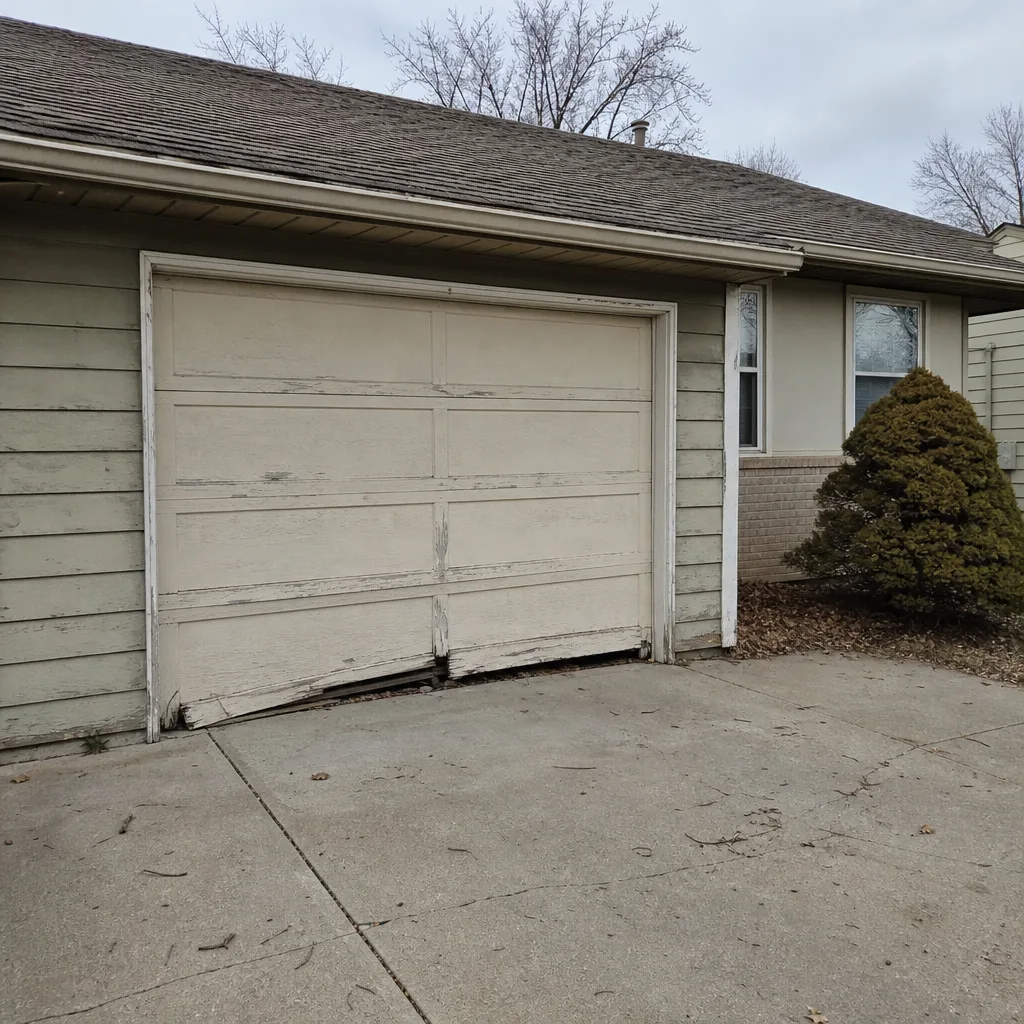 Before
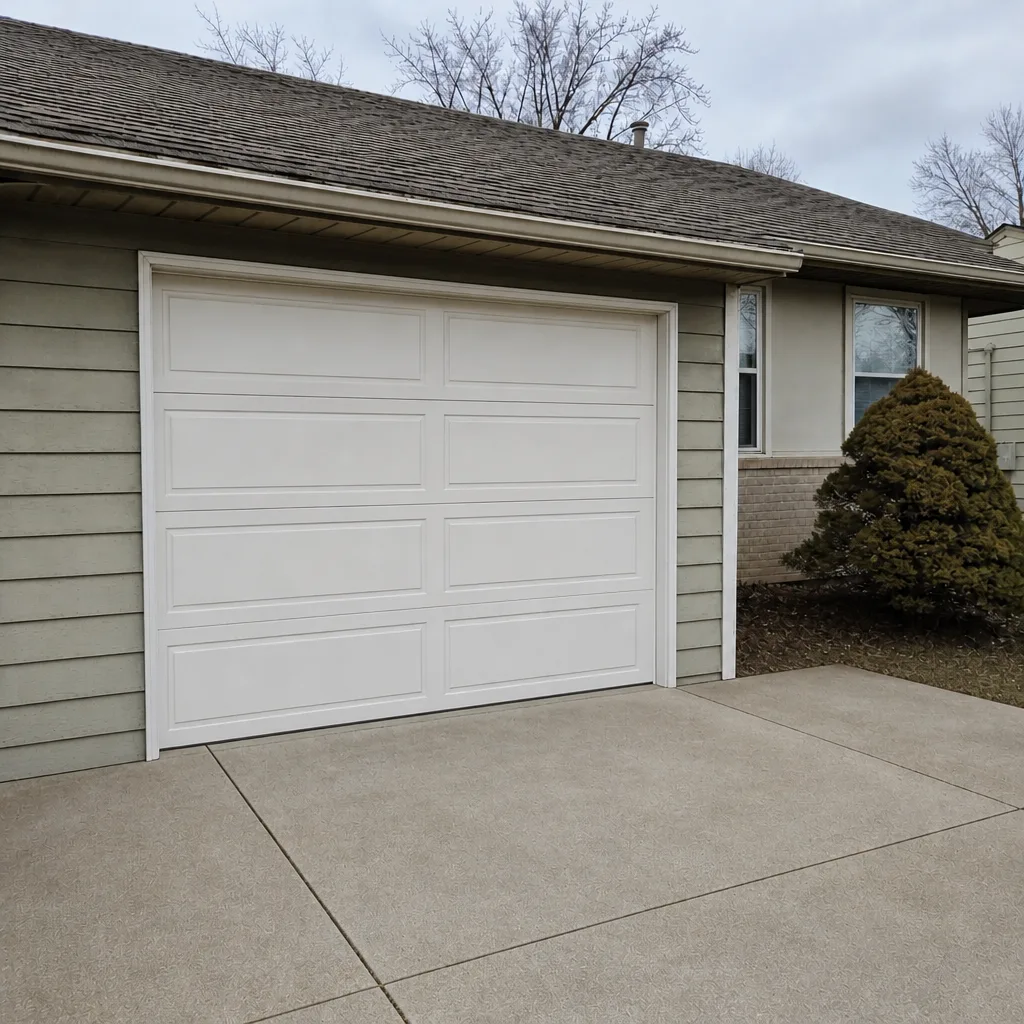 After
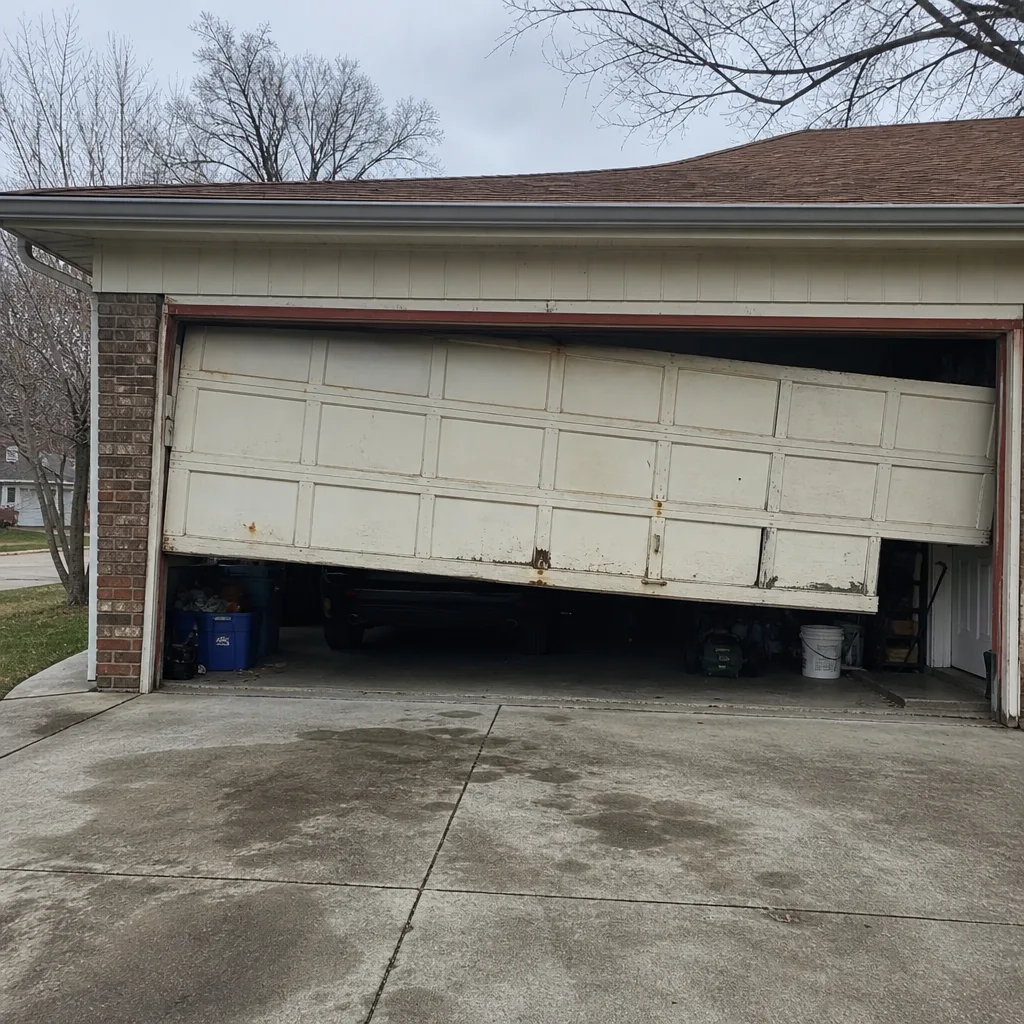 Before
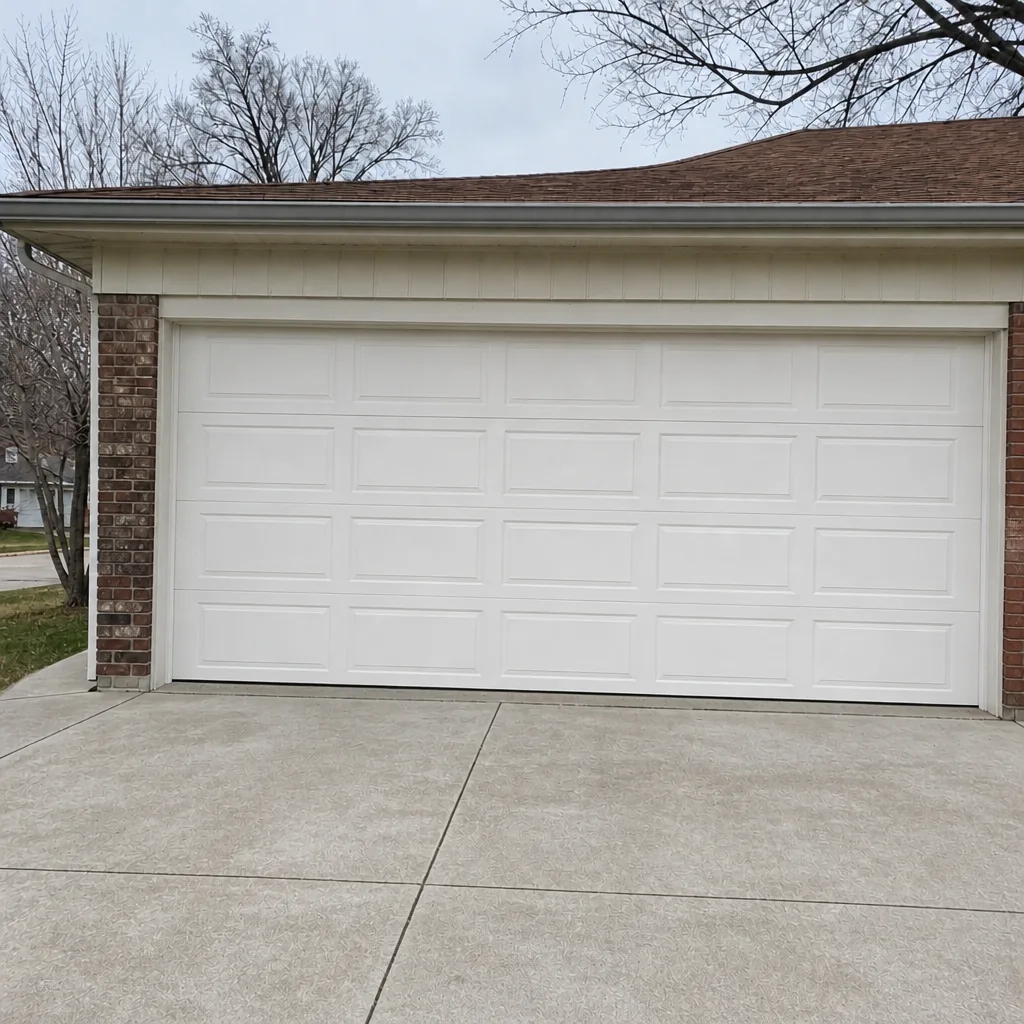 After
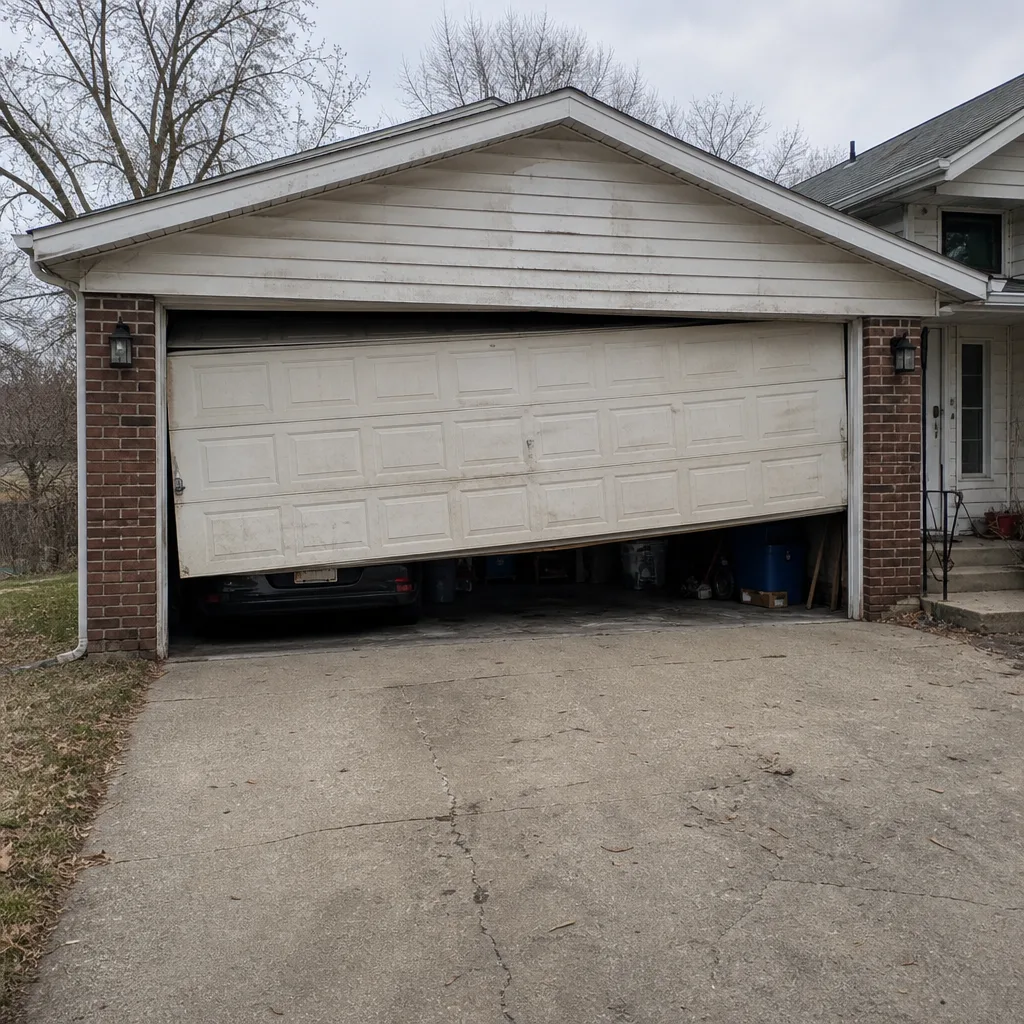 Before
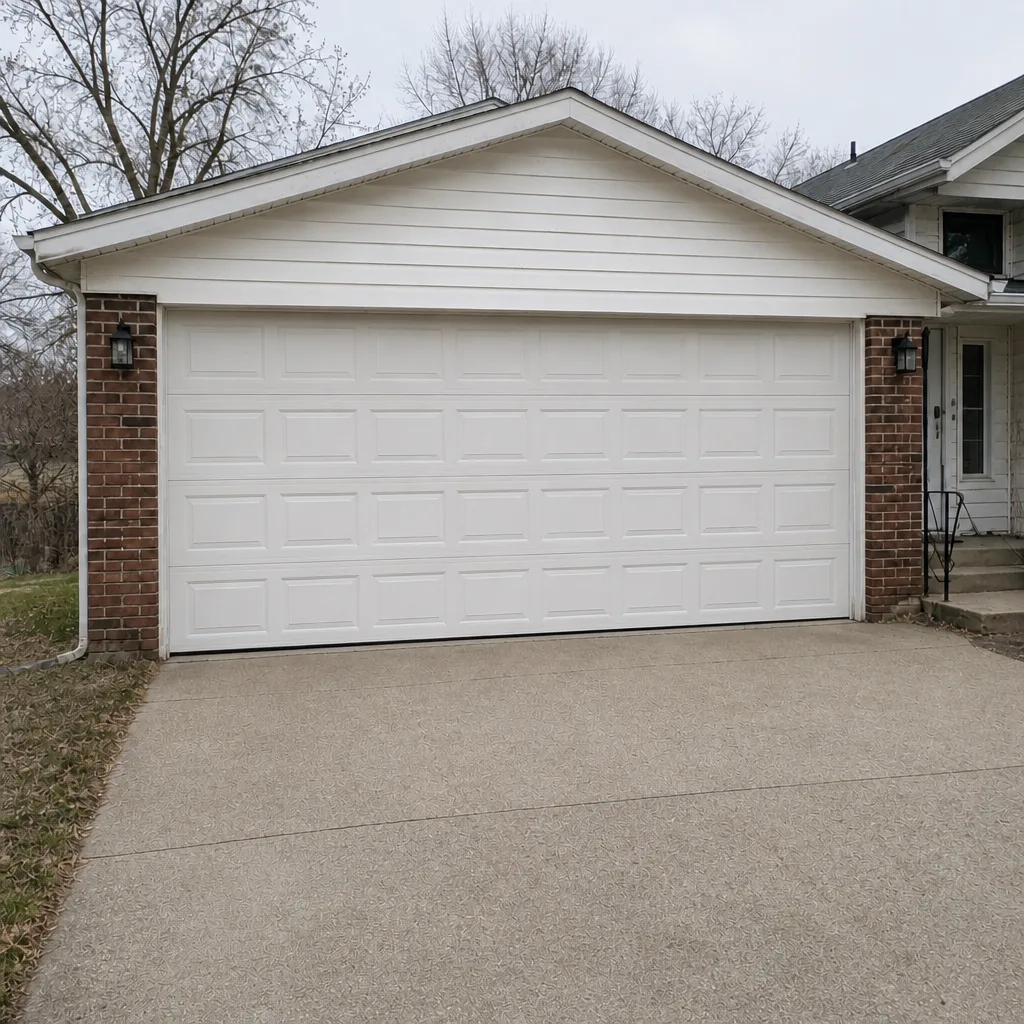 After
Frequently Asked Questions
Pull the emergency release cord straight down to disconnect the door from the opener, then lift the door by hand using the center handle. This works on any opener, including LiftMaster, Chamberlain and Genie models. If the door feels very heavy or won’t move, stop and call (855) 525-9808 for an estimate.
Only if it has battery backup. A standard opener needs household power and won’t run during an outage. Battery backup openers from LiftMaster, Chamberlain and some Genie models run the door for a limited number of cycles from a rechargeable battery. If you’re not sure what you have, call (855) 525-9808 and we can check.
A frozen bottom seal or frame is the most likely cause. Disconnect the opener first, then warm the seal with a hair dryer on low or apply de-icing salt or sand around the door line. Never pour hot water, and never force the door with the opener. If it still won’t move after the seal frees, it’s a spring or track issue, so call (855) 525-9808 for an exact quote. Estimates are free.
Check the frame, wall anchors, tracks, panels, springs and cables from a safe distance, and inspect the concrete near the door line for cracks or heaving. If any track is bent, a panel has shifted, or the frame looks moved, don’t run the door. Call for a professional assessment. You can reach us at (855) 525-9808 for a free estimate.
Both. We treat garage door opener repair as a specialty, not an afterthought, covering the drive and smart-connectivity systems across the major brands. That means one call covers the door and the opener, so you’re not sourcing multiple contractors.
Call a professional for any broken spring, a cable off its drum, a bent track, a door that’s off balance, or a door that has shifted after a storm. Those are safety issues. Call (855) 525-9808 for a free estimate, and we’ll tell you whether it’s a repair or a replacement situation. Garage doors are all we do.
The Bottom Line
Garage door preparedness in Kansas City is mostly about doing the small checks before the weather turns. Test the manual release, keep a battery backup in working order, clear the door path, free frozen seals by hand rather than with the opener, and inspect after any storm before you press the button. None of these steps is complicated, and together they decide whether your garage stays usable during tornado season and ice season. When something feels wrong, stop and get a professional eye on it. Solid work, no surprises, and the door does what it’s supposed to do when you need it most.
Contact Graystone Garage Door Repair
If you’ve worked through the checklist and something doesn’t look right, or you want an experienced technician to look at the door before storm season, call (855) 525-9808 for a free estimate. We answer 24/7, with fast dispatch from 7am to 7pm, Sunday through Friday. Whether it’s a LiftMaster opener, a Raynor door, or a system you inherited with the house, we diagnose it correctly the first time and tell you straight what it needs. Graystone Garage Door Repair has served Kansas City since 2011.
Written by the team at Graystone Garage Door Repair, serving Kansas City since 2011.