
Last updated November 14, 2026
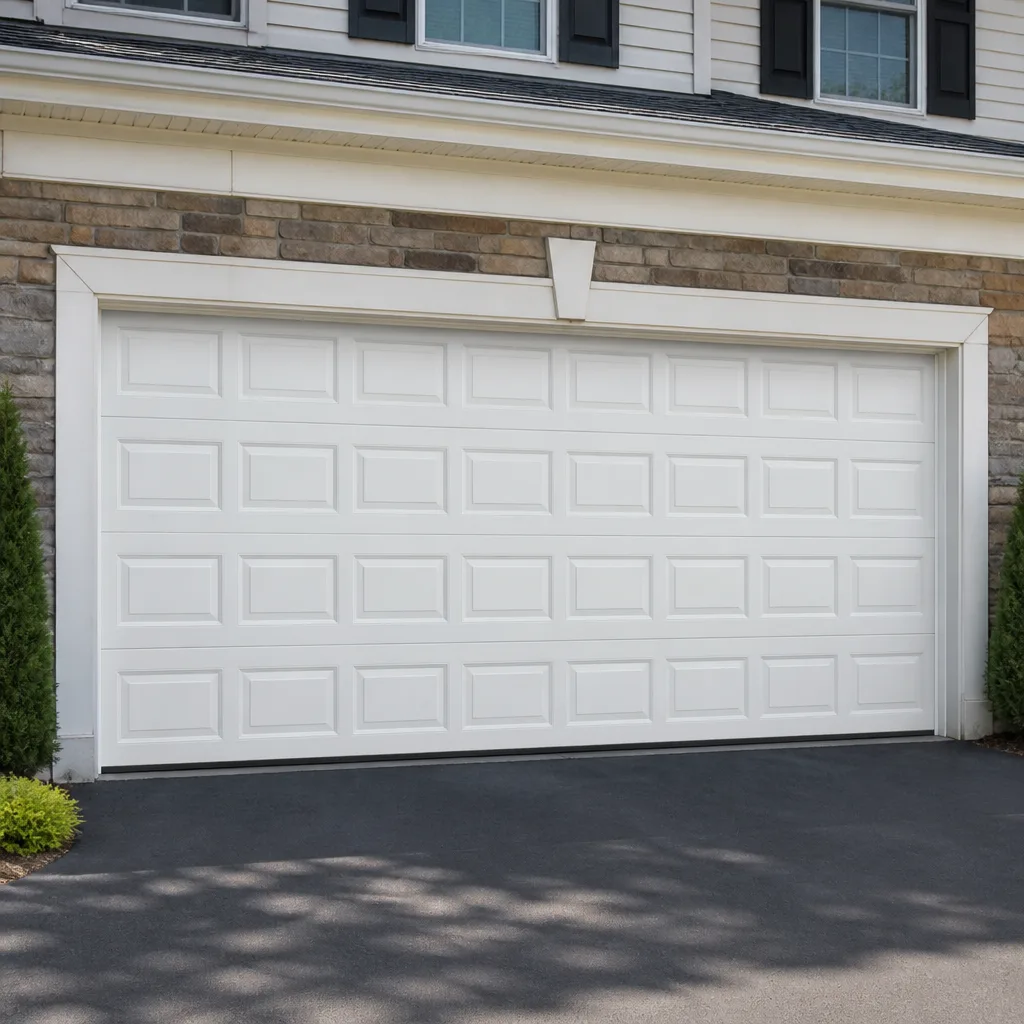 Raised-panel steel
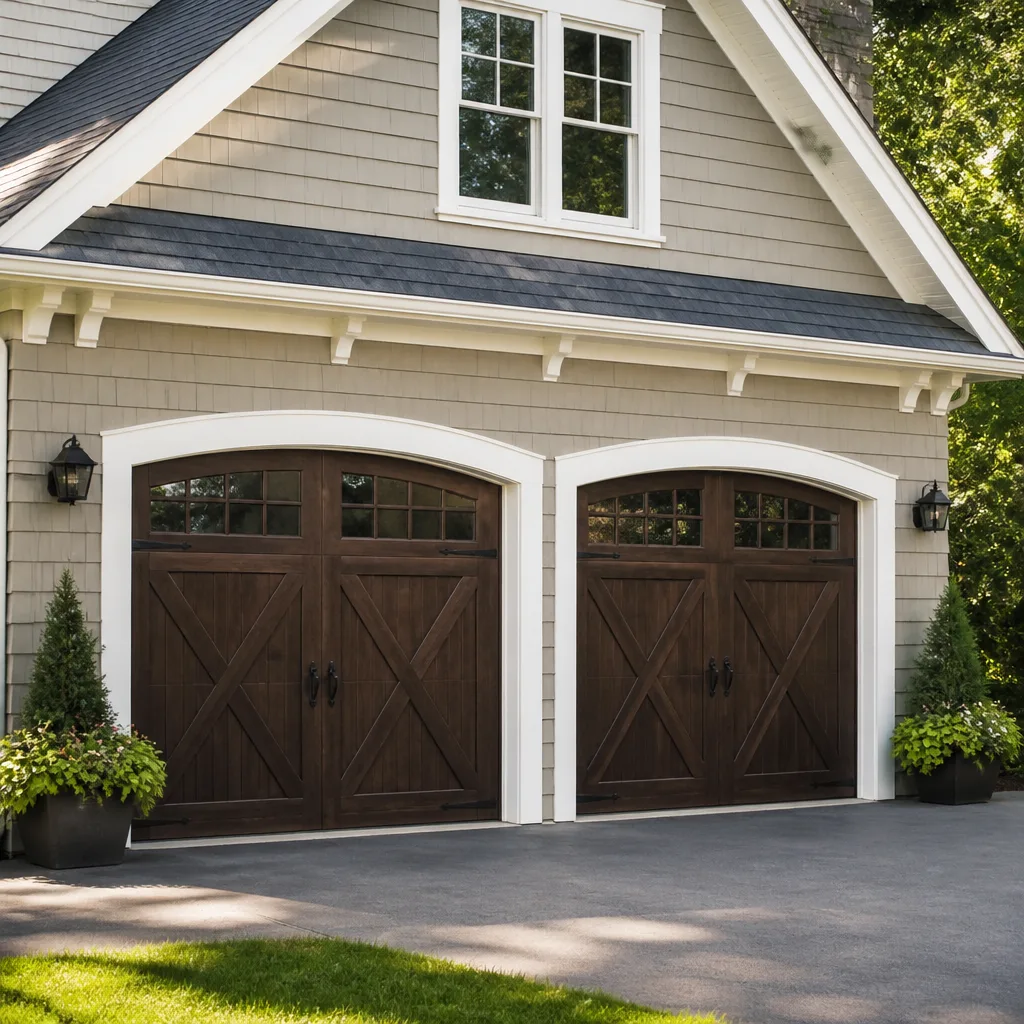 Carriage house
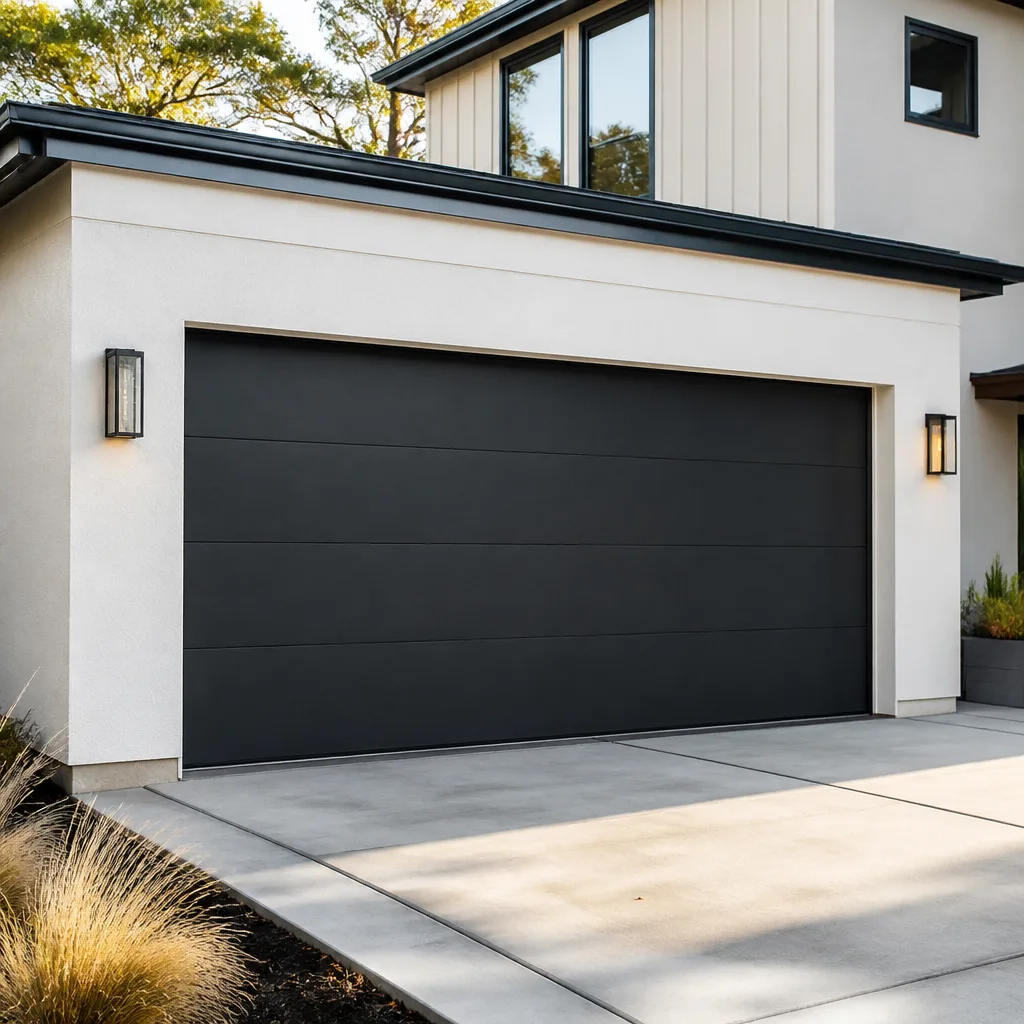 Modern flush
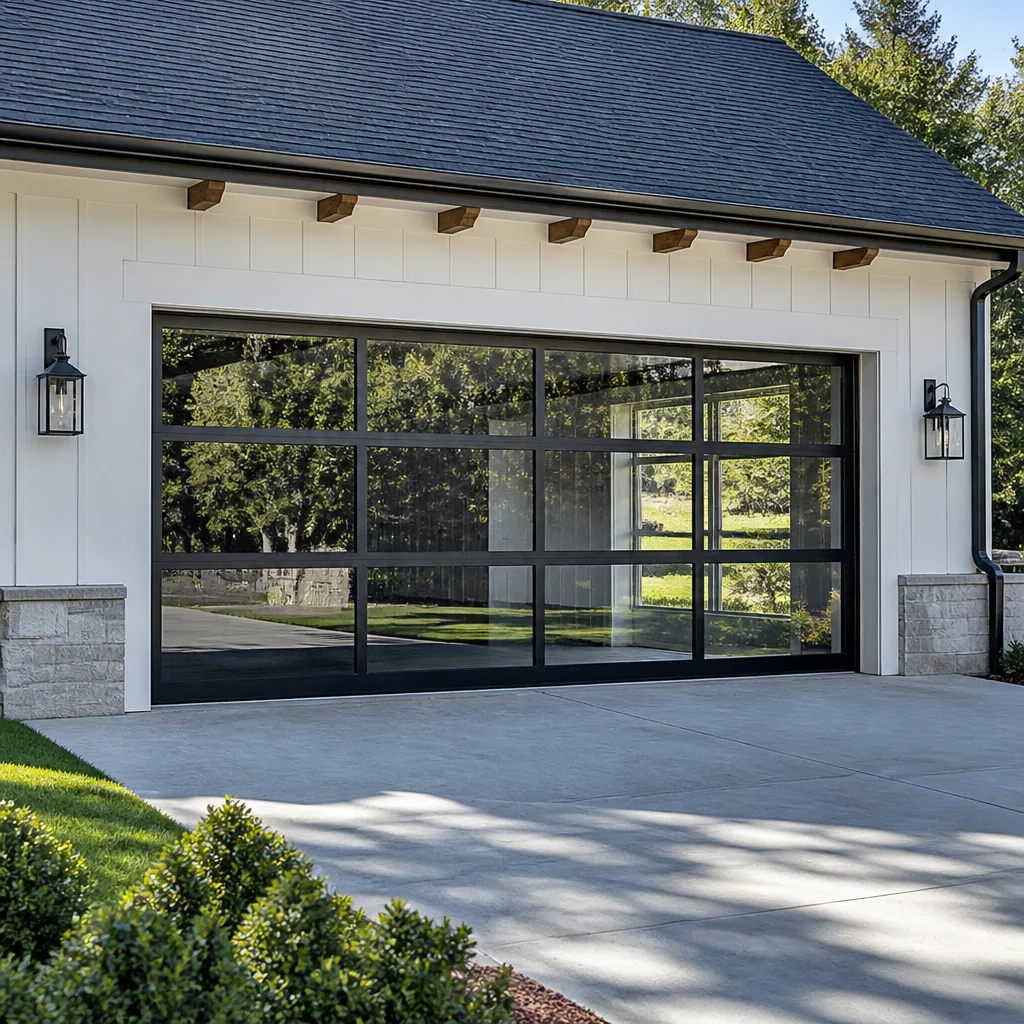 Full-view glass
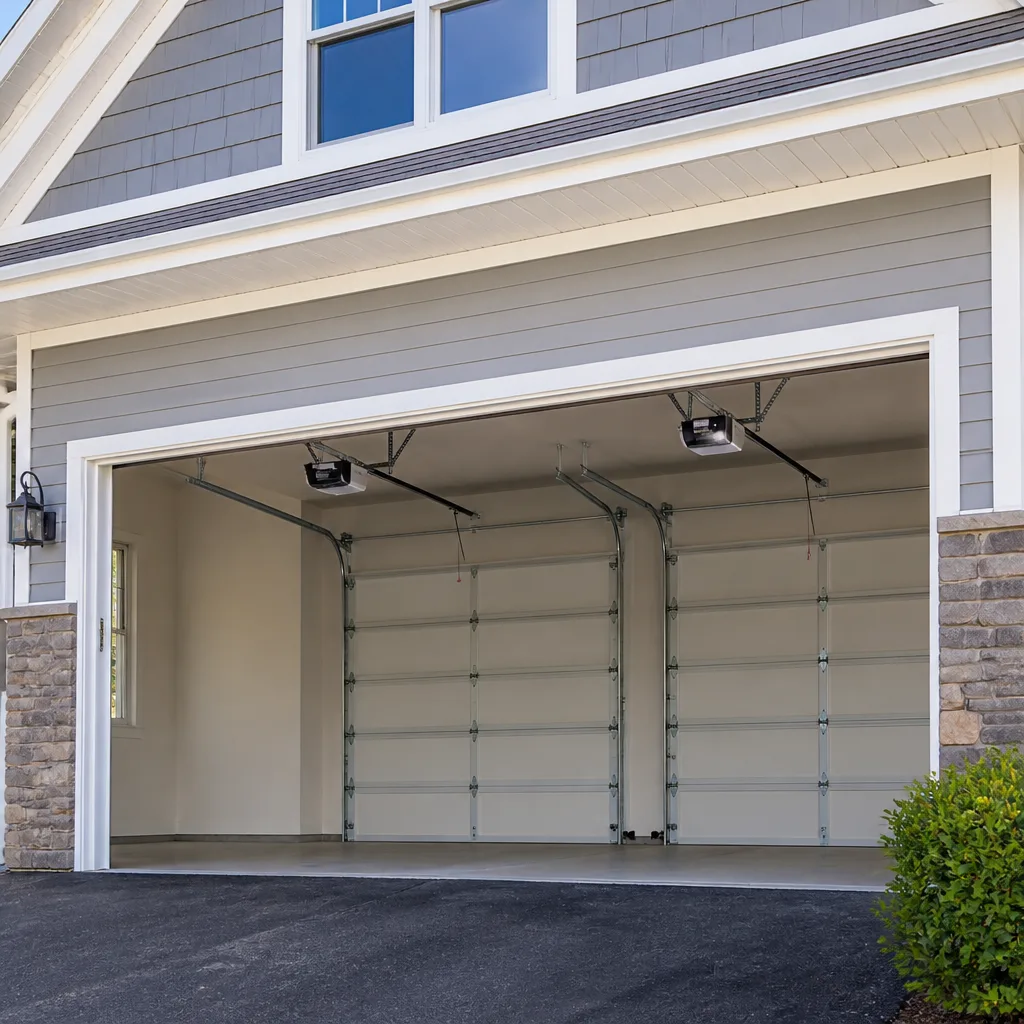 LiftMaster openers
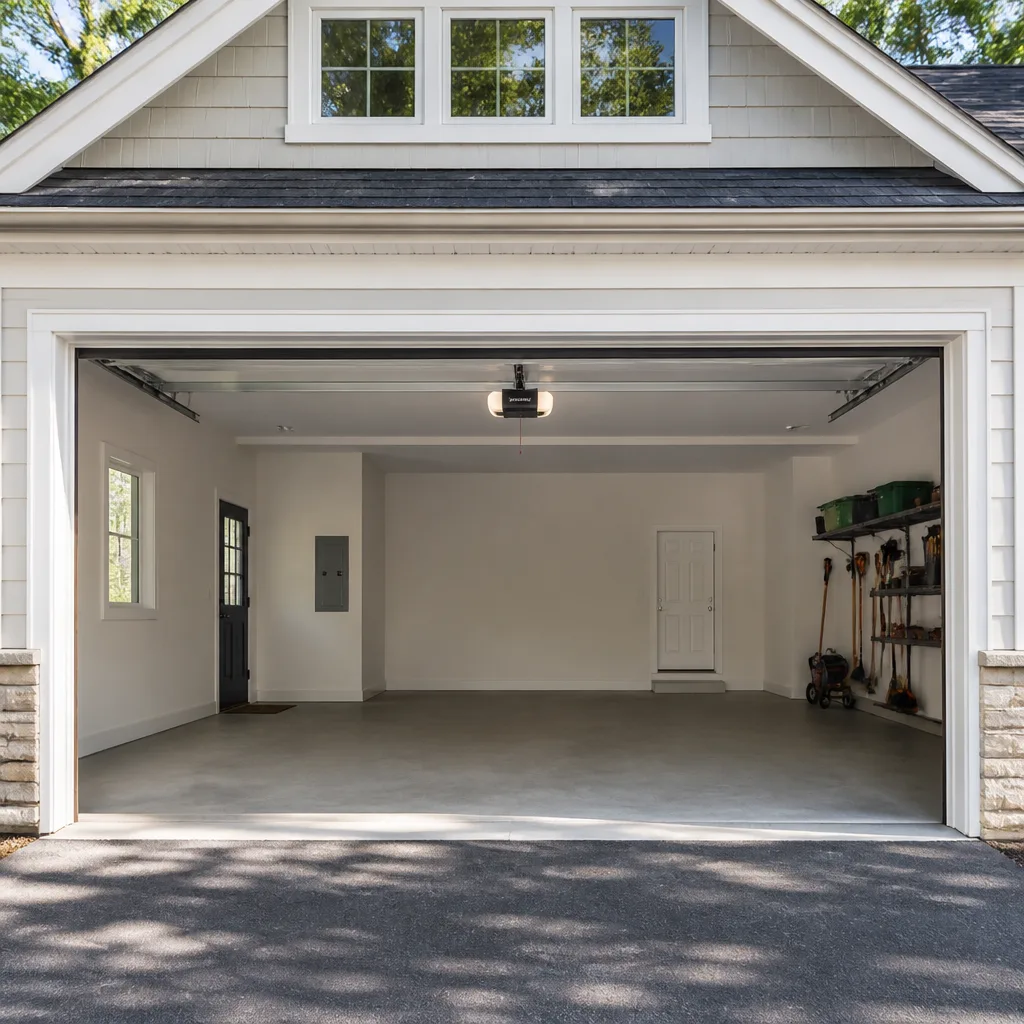 Chamberlain openers
Full 25-point door and opener safety check with every visit - springs, cables, rollers, tracks, and your LiftMaster or Chamberlain opener included
You get a price before we start. It does not change when the truck arrives.
Get your free estimateGarage Door Repair Maintenance Schedule: What to Do and When
The single most common reason a garage door fails in January isn’t the cold. It’s the deferred lubrication from October that let metal-on-metal contact set in before the first hard freeze. Most homeowners treat garage door maintenance as a vague “twice a year” chore, and that’s exactly why so many doors in Kansas City start grinding, sticking, or stalling at the worst possible moment. Our schedule is built differently: it’s tied to how a door actually ages through the seasons here, with specific tasks mapped to specific stresses. Below you’ll find a month-by-month plan, component lifespan benchmarks, two tests worth running yourself, and a maintenance log a technician can actually use.
Quick Answer
A garage door needs lubrication, hardware checks, and a balance test every six months, with seasonal tasks added for your climate. In Kansas City, that means a pre-freeze prep in October, a heat-stress inspection in September, and a post-salt-season hardware check in March. Springs, cables, and rollers are inspected every six months, but springs and weatherstripping get replaced on lifespan rather than waited on until they break.
Styles & brands we work with
- Raised-panel steel
- Carriage house
- Modern flush
- Full-view glass
- LiftMaster openers
- Chamberlain openers
Table of Contents
- Why a Seasonal Schedule Beats “Twice a Year”
- The Kansas City Month-by-Month Maintenance Calendar
- What to Lubricate, and What to Never Touch
- Component Lifespan: What to Inspect vs. What to Replace Proactively
- How to Run a Balance Test and a Safety Reversal Test at Home
- Building a Maintenance Log That Helps a Technician
- Common Mistakes to Avoid
- When to Call a Professional
Why a Seasonal Schedule Beats “Twice a Year”
Generic advice says to service your door twice a year, which sounds reasonable until you notice it ignores what the door went through in the six months between visits. A torsion spring that cycled through a summer of hundred-degree days is under different stress than one that sat through a mild spring. The metal in your door’s hardware expands and contracts with temperature swings you feel personally in Kansas City, where a 40-degree temperature change in a single day isn’t unusual in spring or fall.
Here’s the logic behind a calendar-based approach: each season delivers a specific punishment to a specific set of parts, and timing your maintenance to that stress means you catch wear before it becomes a failure. The October lubrication pass exists because ungreased rollers and hinges stiffen in cold. The September inspection exists because summer heat cooks the lubricant off moving parts and expands the door’s metal panels, so a hinge screw that held in May can work itself loose by August.
We’ve also found that the seasonal rhythm matters more on doors over ten years old. A Genie or Clopay door in its first few years mostly needs lubrication and a look-over. Older systems need the bearings, rollers, and bottom brackets checked with more attention because those components are nearing the end of their design life. If your door has been installed since the 2000s and never had a professional inspection, a proper evaluation of the door’s hardware is worth scheduling through our garage door repair team before small wear turns into a broken spring or a bent track. Garage doors are all we do, which means we’re looking at the whole system, not just the one part making noise.
The Kansas City Month-by-Month Maintenance Calendar
Here’s the twelve-month plan we recommend for doors in this region. You don’t need to do everything every month. The point is to match the task to the season’s stress, so nothing gets skipped and nothing gets overdone.
Spring (March through May)
- March: Post-winter hardware inspection. Winter road salt and grit work their way into rollers and hinges, and cold-stiffened grease leaves residue that holds dirt. Wipe down the track with a damp cloth, inspect roller wear, and re-lubricate hinges and rollers.
- April: Balance test and safety reversal test. Do both now, before the summer cycling season. This is also a good month to check the weatherstripping along the bottom edge, which takes a beating from winter freeze and thaw.
- May: Tighten all visible hinge and bracket fasteners. Metal expands as temperatures climb, and loose screws are the most common source of rattle and vibration complaints heading into summer.
Summer (June through August)
- June: Lubrication pass with a garage-door-specific lubricant on hinges, rollers, and the torsion spring. Heat will bake off a light oil within weeks, so this isn’t the time for anything thin.
- July: Listen test. With the door running, listen for grinding, popping, or a rhythmic squeak. Summer is when worn rollers and dry bearings announce themselves, and catching the noise early is far cheaper than diagnosing a snapped cable.
- August: Check the opener’s force and travel limits. Heat can affect the opener’s ability to lift a heavier door, and a door that reverses for no obvious reason in August is often a sign the opener needs adjustment.
Fall (September through November)
- September: Post-summer heat-stress inspection. Look at panel seams for warping, check that hinges haven’t loosened, and confirm the door still travels evenly. This is the month to address anything summer loosened up.
- October: Pre-freeze prep. This is the most important month on the calendar. Lubricate everything that moves, tighten all hardware, and test that the door operates smoothly at low speed. A door that ran fine in September can seize in January if the October lubrication was skipped.
- November: Final weatherstripping check and a look at the bottom seal. Cold air leaking in under the door is a sign the seal has compressed or cracked and needs replacing before the deep freeze.
Winter (December through February)
- December: Visual inspection only. Don’t over-lubricate in freezing weather, since some products thicken and make rollers drag. Check the door’s movement and listen for new sounds.
- January: Watch for the freeze-set. A door that won’t open smoothly in January is almost always a lubrication issue that started in the fall, not a sudden failure. If your door freezes up, call before you force it, because forcing a frozen door is how tracks get bent.
- February: Inspect the door’s bottom edge and the threshold. Ice dams and grit can chew weatherstripping, and February is the month to plan a March hardware cleanup.
The simplest shorthand: the two anchor appointments are March (post-winter cleanup) and October (pre-freeze prep), with September as the heat-stress reset. Everything else is a quick check you can do in five minutes. If you want a professional to run the full inspection in Kansas City, our team handles the door system and the opener in one visit, which is often the practical choice for older hardware.
What to Lubricate, and What to Never Touch
The wrong lubricant causes more problems than no lubricant at all. WD-40 is the most common mistake we see: it’s a solvent and light oil, not a long-term lubricant for a garage door. It cleans away the grease that’s supposed to be doing the work, then evaporates, and the door ends up drier than when you started. Save it for loosening a rusty bolt, not for the working parts of your door.
Here’s what goes where, and what stays untouched:
- Hinges and pivot points: A white lithium grease or a garage-door-specific spray lubricant. These hold up to temperature swings better than a light oil.
- Rollers: If the rollers are steel, a few drops of light oil at the bearing point. If they’re nylon, they’re designed to run dry and generally don’t need lubrication at all.
- Torsion springs: A dedicated garage-door lubricant, applied sparingly. Do not use WD-40 or heavy grease on springs, and don’t apply anything that would attract grit.
- Track: Never lubricate the track itself. The track should stay clean and dry. A lubricated track collects dust and grit that grinds against the rollers.
- The opener rail and chain: A light grease on the rail where the trolley rides, per the manufacturer’s guidance. Chain-driven units need a chain lubricant; belt-driven units typically don’t need lubrication on the belt itself.
- Never lubricate: the photo-eye lenses, the safety sensors, or any part of the opener’s circuit board or motor housing.
One safety note before you pull out a can of anything: never apply lubricant to a torsion spring while it’s under tension or with the door open. The spring is the most dangerous part of a garage door system, and it’s under enormous load. If you’re not sure about the condition of your springs, leave them to a trained professional. We handle spring inspection as part of any routine maintenance visit in Kansas City, and we’ll tell you straight whether the spring has life left or is close to its cycle limit.
Component Lifespan: What to Inspect vs. What to Replace Proactively
Knowing a component’s design life changes how you read the inspection. A part at 80% of its expected life isn’t urgent, but it changes the decision from “inspect” to “plan.” Here are the benchmarks we use on the brands we service, from Wayne Dalton to Amarr:
- Torsion springs: Rated to roughly 10,000 cycles on standard springs, with higher-cycle options available. A cycle is one open-and-close. If your family opens the door four times a day, that’s about 1,460 cycles a year, so a standard spring is a roughly seven-year component.
- Extension springs: Similar cycle count to torsion, but they’re less expensive and typically fail with more warning noise. Replace in matched pairs when one goes.
- Cables: Not a cycle-rated part so much as a wear item. Cables fray and stretch. Inspect for fraying every six months; replace if you see broken strands or the door hangs unevenly.
- Rollers: About seven to ten years on steel rollers, longer on nylon. Nylon rollers are quieter but wear faster under heavy use.
- Hinges and bearings: Ten-ish years under normal use. If they squeak despite lubrication, they’re a candidate for replacement.
- Weatherstripping and bottom seals: Three to five years. This is the shortest-lived component and the one most homeowners ignore. A cracked bottom seal lets cold air, water, and pests in.
- Opener: Eight to fifteen years, depending on the unit and how hard it works. A Genie or LiftMaster opener that’s outlived its door’s springs twice is worth reviewing for replacement.
The rule of thumb: parts that fail with a bang (springs, cables) should be replaced before they reach end of life, while parts that wear out gradually (rollers, hinges, weatherstripping) can be inspected until they clearly need it. That’s the difference between proactive replacement and waiting for a failure.
How to Run a Balance Test and a Safety Reversal Test at Home
These two tests are the most useful ten minutes you can spend on your door, and they’re safe to run yourself. Here’s how to do each, with the criteria that matter.
Balance Test
- Close the door and disconnect the opener by pulling the emergency release handle.
- Lift the door to about half-open and let go.
- Pass: the door stays where you left it, without drifting down or up.
- Fail: the door drops or rises on its own. That points to a spring tension problem, which should be checked by a professional, not adjusted by you.
A door that passes but feels heavy when you lift it by hand is still worth a look. Balance is about spring tension, but “heavy” is about spring condition, and those can diverge. If lifting the door takes real effort, the springs are past their prime even if the balance test passes.
Safety Reversal Test
- Place a 2×4 flat on the ground in the center of the door’s path.
- Close the door using the opener. It should reverse on contact with the board.
- Test the photo-eye sensors by passing a hand (or a broom handle) through the beam while the door is closing. The door should reverse immediately.
- Pass: the door reverses on both tests. Fail: it doesn’t. Stop using the opener and call for an adjustment.
A failing reversal test is the one result worth acting on right away. A door that doesn’t reverse represents a real safety problem, especially in a house with kids or pets. If your door fails either test, our garage door opener repair team can sort it out, since the reversal setting is often an opener adjustment rather than a door problem.
Building a Maintenance Log That Helps a Technician
A log that says “lubed door” tells a technician nothing. The fields that matter are the ones that let someone else pick up where you left off. Keep a simple notebook or a note on your phone, and record these for each maintenance session:
- Date and the outdoor temperature if it was notably hot or cold (temperature affects how a door behaves).
- What you lubricated, with the exact product name. “White lithium grease on hinges and rollers” is useful; “lubricant” is not.
- What you inspected, and the result for each item: springs, cables, rollers, hinges, track, weatherstripping, bottom seal.
- Balance test result: pass or fail, and whether the door felt heavy.
- Safety reversal result: did it reverse on the board and on the photo-eye test.
- Any new noise or irregularity, with a short description and when it happens (on opening, closing, or both).
- Opener adjustment made, if any, and by whom.
That last field is the one that saves the most time on a service call. If a technician knows the opener’s force limit was already adjusted, that narrows the diagnosis significantly. We keep our own records on every job, and when a customer hands us a log with product names and test results, we can often confirm a diagnosis in half the time. It’s not about being organized for its own sake; it’s about giving the next person the information they need to solve the problem quickly.
Common Mistakes to Avoid
- Using WD-40 as your main lubricant. It’s a solvent and light oil, and it strips the lubrication the door needs. It’s fine for a rusty bolt, not for hinges and rollers.
- Lubricating the track. The track needs to stay clean and dry. Oil on a track collects grit that grinds against the rollers and wears them faster.
- Skipping the October lubrication pass. This is the single biggest cause of January freeze-ups in Kansas City. A door that runs fine in autumn will stiffen in the cold if the fall prep was skipped.
- Adjusting torsion springs without training. Torsion springs are under tremendous tension and can cause serious injury if handled incorrectly. Leave this to a professional, every time.
- Ignoring weatherstripping because it “looks fine.” A compressed or cracked bottom seal lets in cold air and water and is the cheapest thing on your door to replace and the easiest to overlook.
- Forcing a stuck door in winter. A frozen or stiff door that’s forced can bend a track or snap a cable. If the door won’t move smoothly, stop and call.
- Waiting until something breaks. Springs have a known cycle life, and a professional inspection catches a spring close to failure before it snaps at the worst moment.
When to Call a Professional
Most of this schedule is safe to do yourself, but a few situations are worth a phone call. Any time a torsion spring looks worn, has visible gaps, or the door fails the balance test, that’s a professional job. Frayed cables, a bent track, a door that reverses for no reason, or an opener that’s making grinding sounds all warrant a trained eye, because those problems tend to cascade if left alone. And if your door is over ten years old and has never been inspected, a one-time professional review is worth it just to establish a baseline.
Graystone Garage Door Repair offers free estimates in Kansas City, and we handle the door and the opener on the same visit, which rules out the back-and-forth of two contractors. We work on what you already have, whether it’s a Clopay door with a Chamberlain opener or a Raynor system from the 1990s. Call (855) 525-9808. We answer 24/7. Fast dispatch from 7am to 7pm, Sunday through Friday. The price is quoted and agreed before any work starts, and the written estimate sets the final price.
See the difference
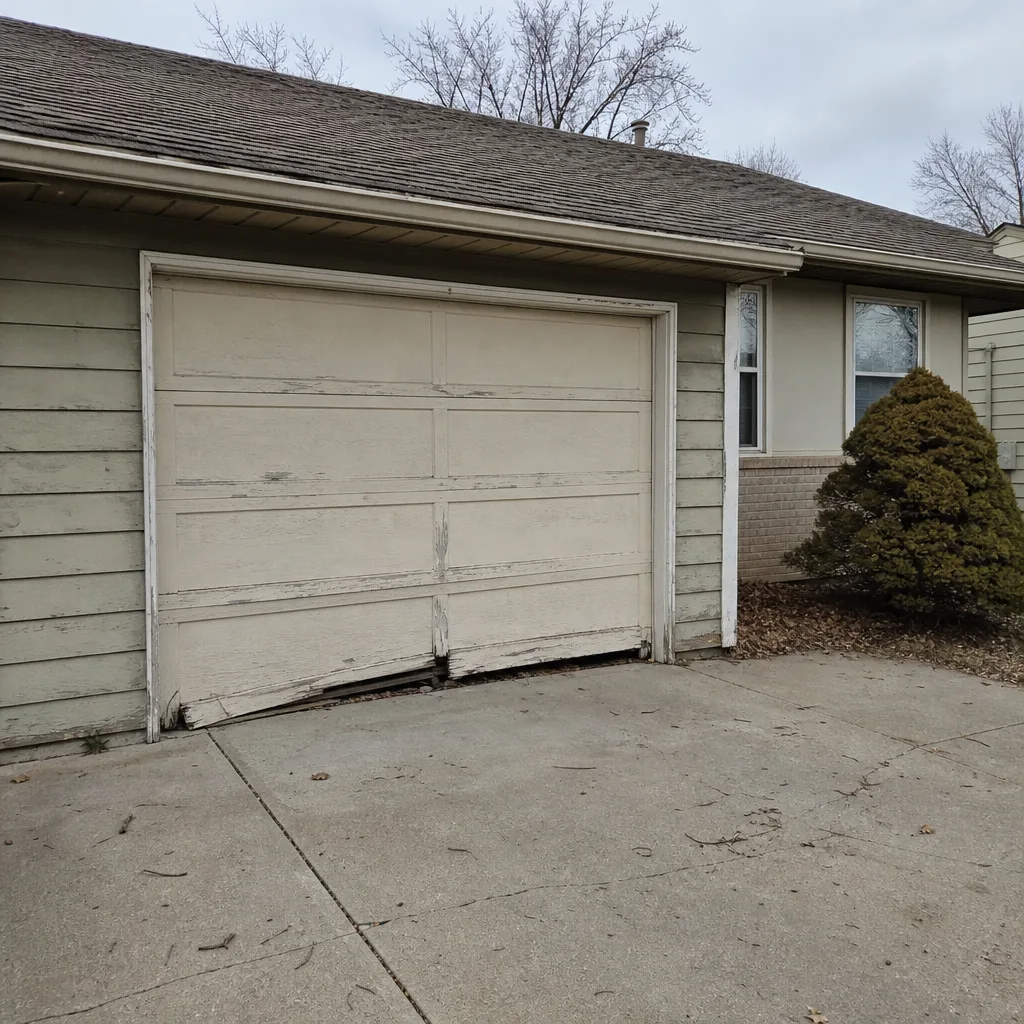 Before
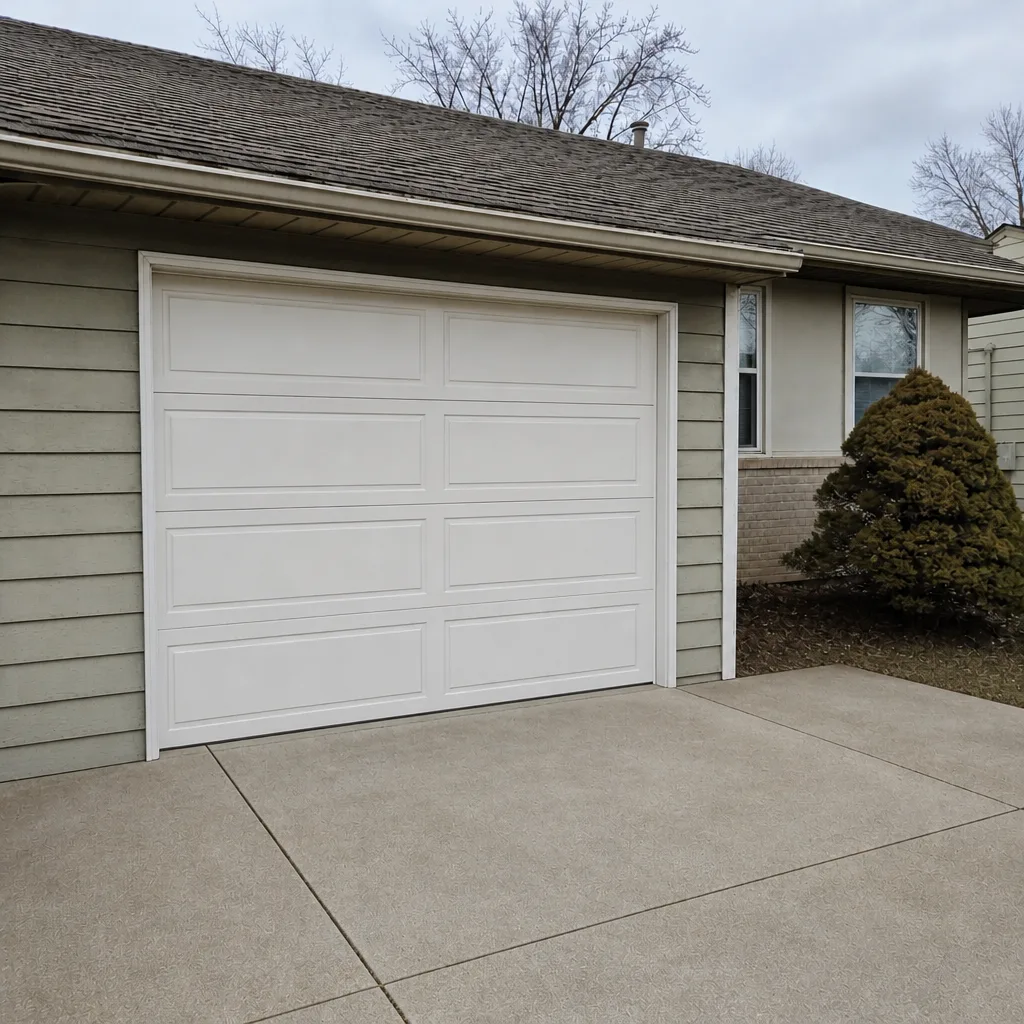 After
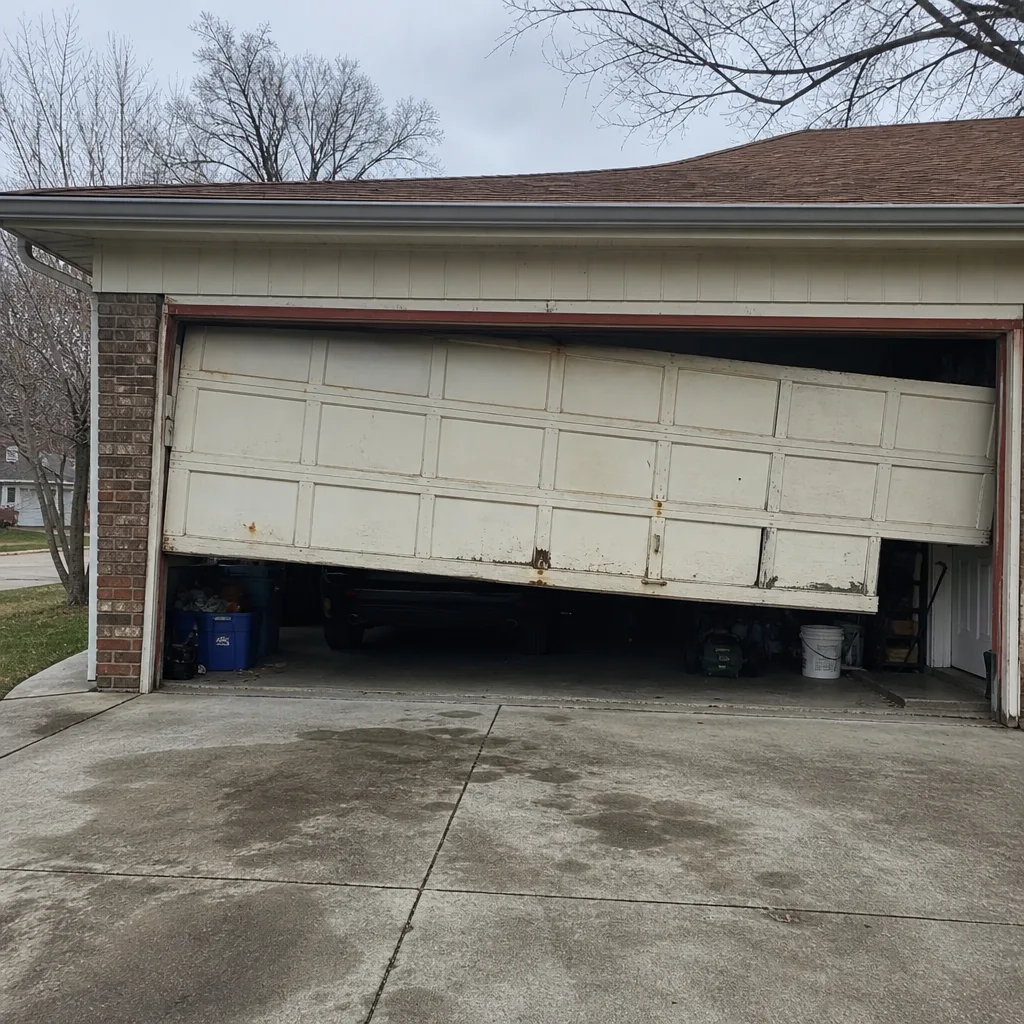 Before
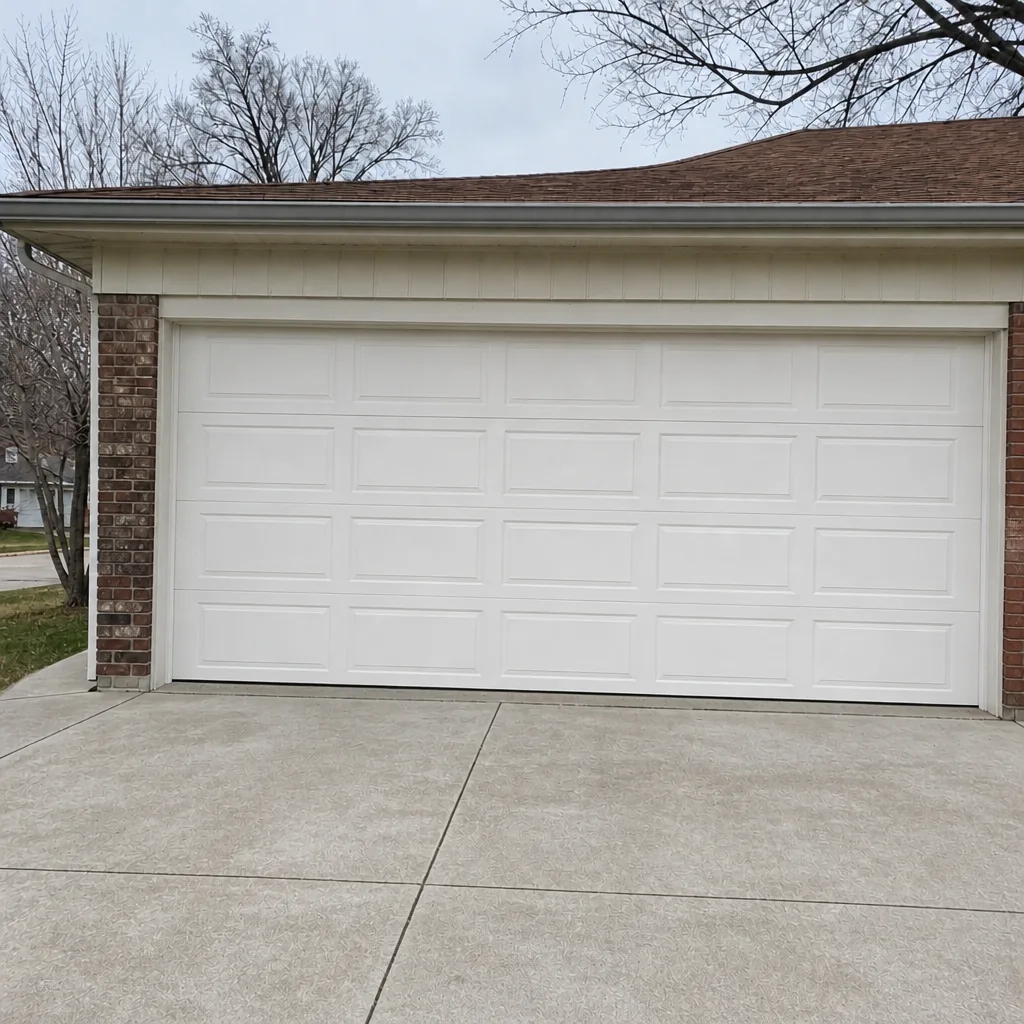 After
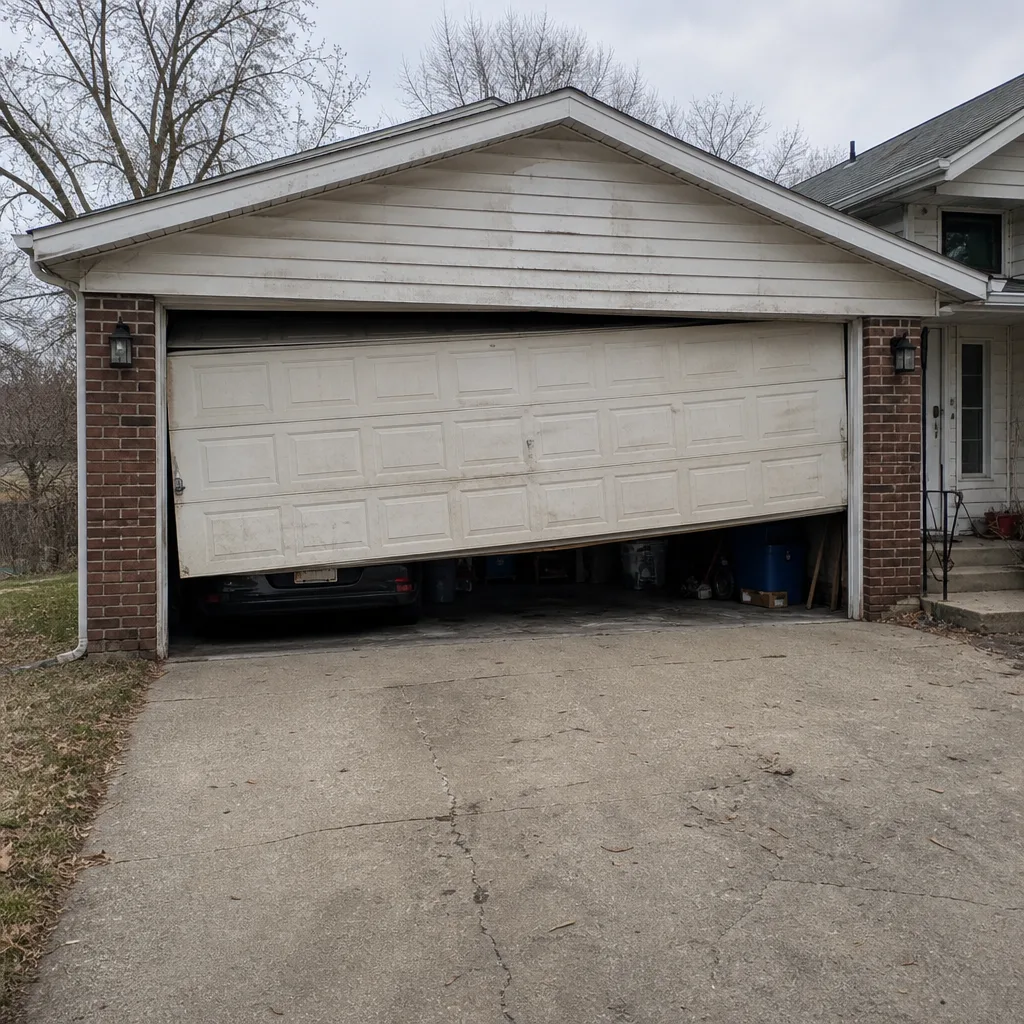 Before
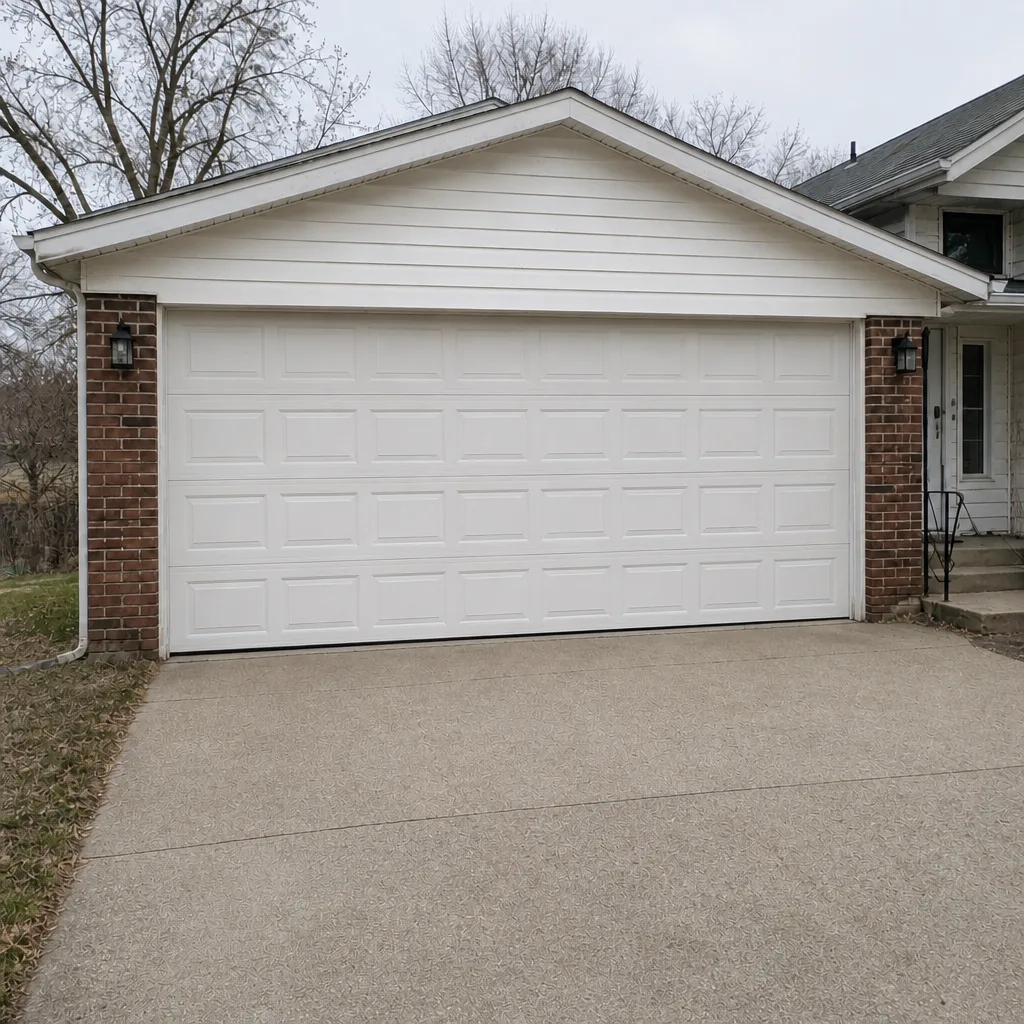 After
Frequently Asked Questions
Every six months is the baseline, but the timing matters more than the frequency. In Kansas City, the critical passes are March (post-winter hardware cleanup) and October (pre-freeze prep), with a lighter lubrication touch in June. A door on a busy household schedule might benefit from a third light pass, but over-lubricating can attract grit, so two proper passes are the safer default. Call (855) 525-9808 for an exact quote on a professional maintenance visit – estimates are free.
A standard torsion spring is rated to roughly 10,000 cycles, which works out to about seven years at four open-close cycles per day, and often less in a household with more daily trips. Higher-cycle springs are available for heavier use. Because springs fail suddenly and are dangerous to adjust, they’re one of the parts we recommend replacing on a schedule rather than waiting for. Call (855) 525-9808 if your door feels heavy or has a spring that’s overdue – estimates are free.
No. Torsion springs are under extreme tension, and handling them without training and the right tools can cause serious injury. This is one of the few garage door tasks that’s genuinely not a DIY job. Our technicians handle spring replacement as part of routine repair in Kansas City, and we’ll tell you honestly whether the spring needs replacing or just needs an inspection.
A white lithium grease or a garage-door-specific spray lubricant. Avoid WD-40 as a standing lubricant because it evaporates and leaves parts drier than before. For torsion springs, use a dedicated garage-door lubricant applied sparingly, and never lubricate the track itself. If you’re not sure what’s safe on your system, our team can tell you during a routine maintenance visit.
Yes, and specifically the October prep pass. Cold stiffens lubricant and metal, and a door that was fine in September can become stiff or noisy by January if the fall lubrication was skipped. The biggest winter mistake is forcing a door that’s frozen or stiff, which can bend a track or snap a cable. A clean and well-lubricated door in October is the single best defense against winter problems in Kansas City.
If the opener is under eight years old and the door reverses or struggles, it’s usually a repair or adjustment rather than a replacement. If it’s over twelve years old and has needed more than one repair in the past year, replacement is often the more practical path. Our garage door opener repair team diagnoses this the same visit as the door inspection, which saves a callback. Call (855) 525-9808 for an exact quote – estimates are free.
The Bottom Line
A garage door maintenance schedule works best when it’s tied to the season’s stress, not a calendar that ignores your climate. In Kansas City, the two anchor appointments are March (post-winter hardware cleanup) and October (pre-freeze prep), with September as the heat-stress reset. Lubricate hinges and rollers with the right product, never the track, and leave torsion springs to a professional. Know your component lifespan so you can replace springs and weatherstripping proactively rather than waiting for a failure. Run the balance test and safety reversal test twice a year, and keep a log that records product names, test results, and any new noises. That log, plus the seasonal schedule, is what separates a door that lasts from one that keeps you guessing. If you’d rather hand the schedule to someone who works on garage doors every day, we’re here. Solid work. No surprises.
Written by the team at Graystone Garage Door Repair, serving Kansas City since 2011.
Ready to get your door on a real maintenance schedule? Call Graystone Garage Door Repair at (855) 525-9808 for a free estimate. We answer 24/7. Fast dispatch from 7am to 7pm, Sunday through Friday. We work on what you already have, whether it’s a LiftMaster opener, an Amarr door, or a Wayne Dalton system – and we’ll tell you exactly what it needs.