
Last updated November 14, 2026
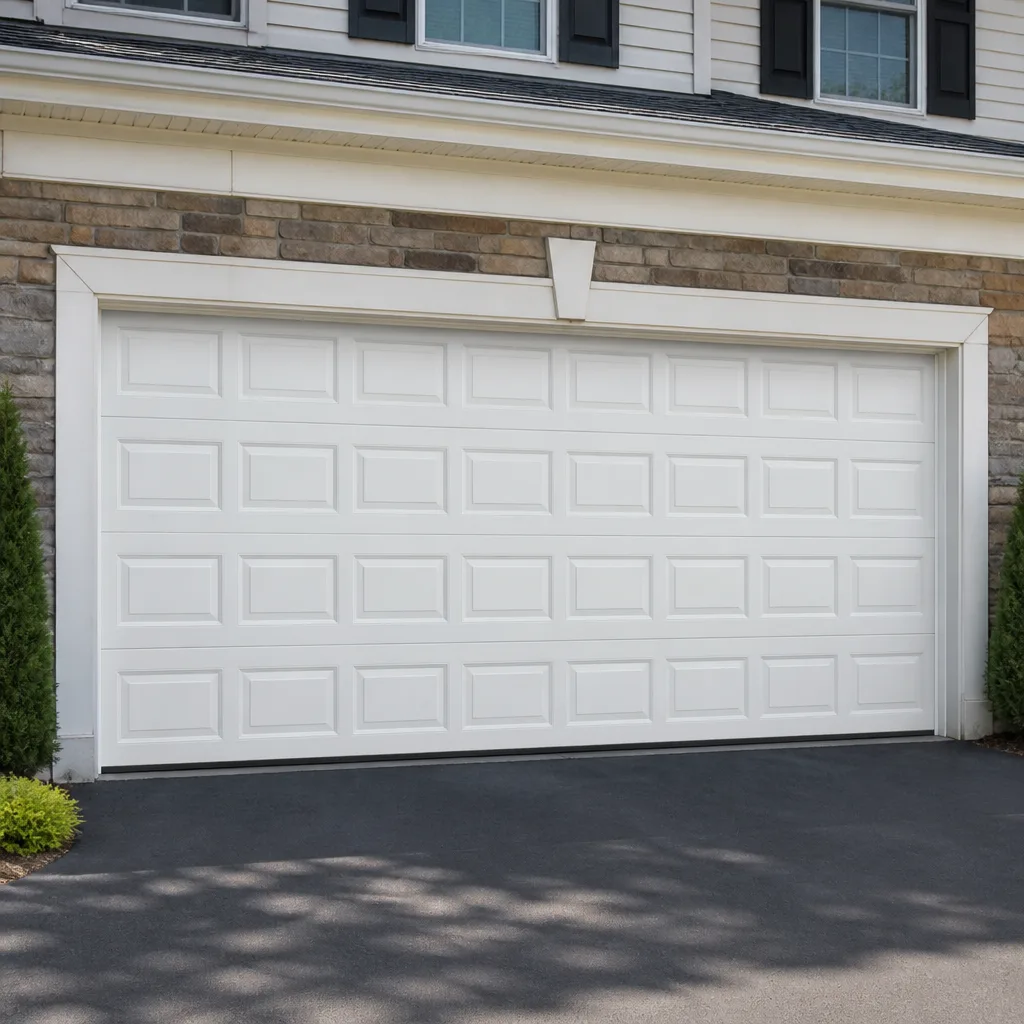 Raised-panel steel
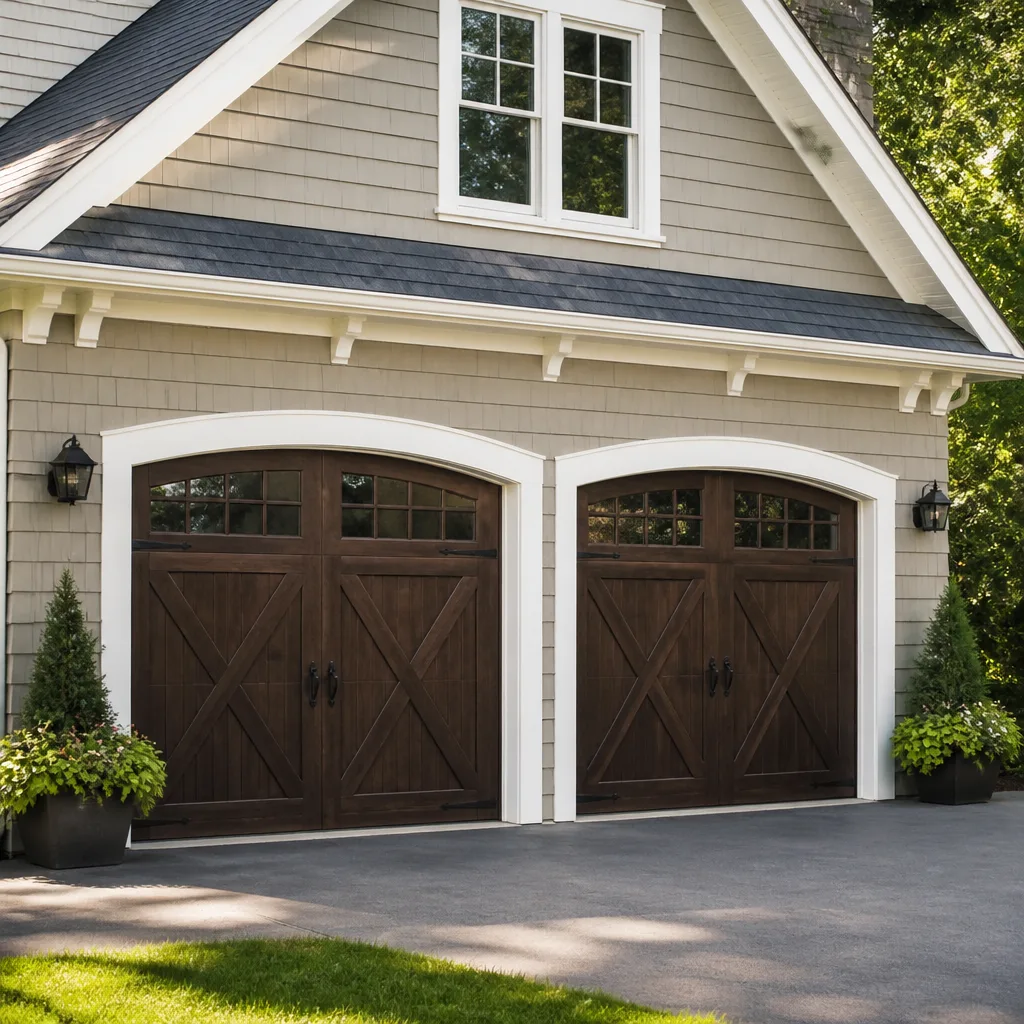 Carriage house
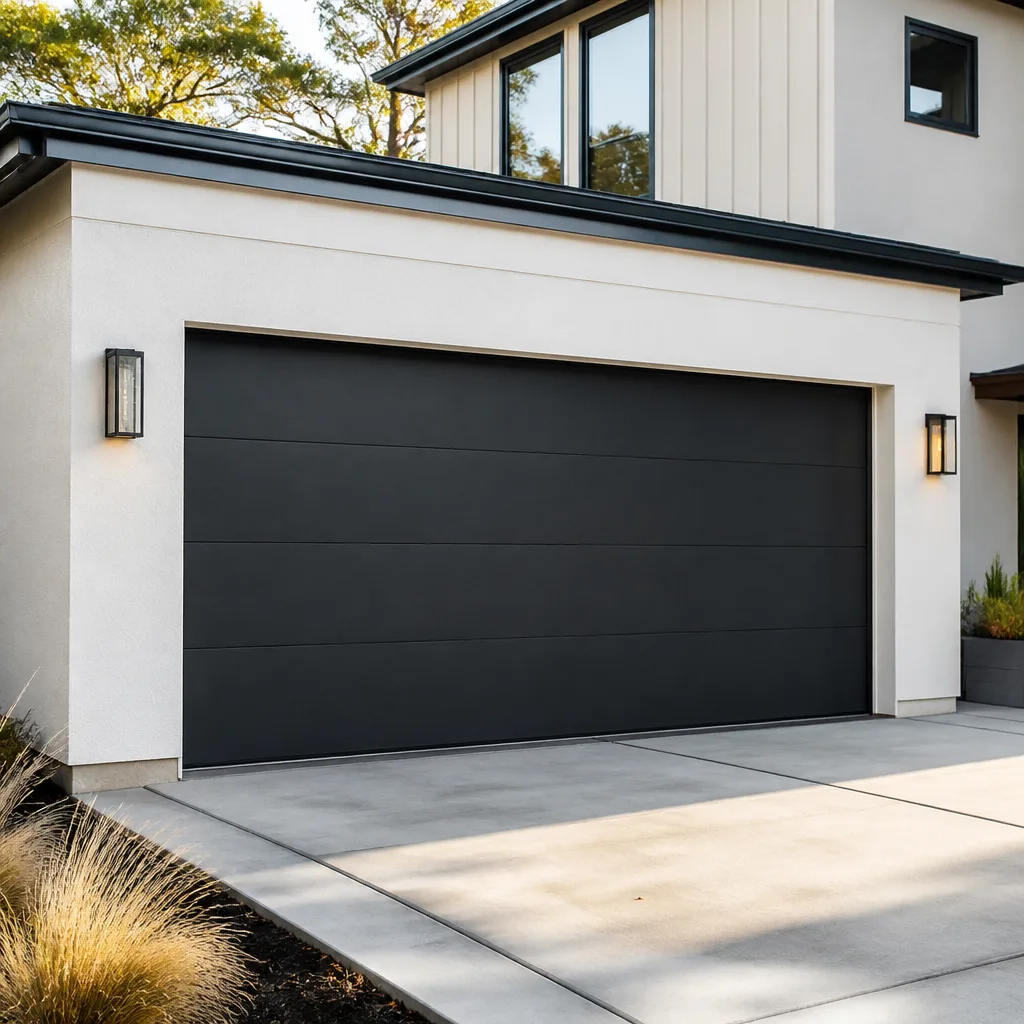 Modern flush
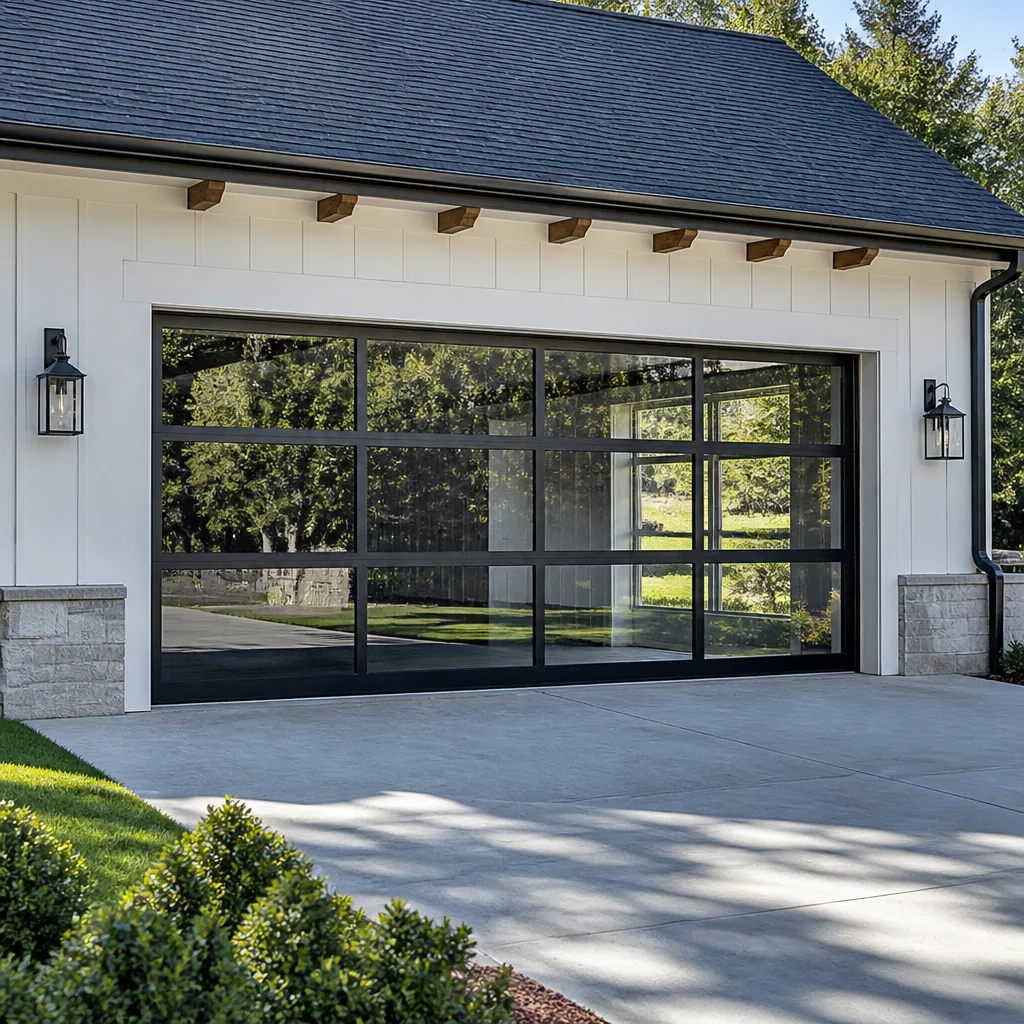 Full-view glass
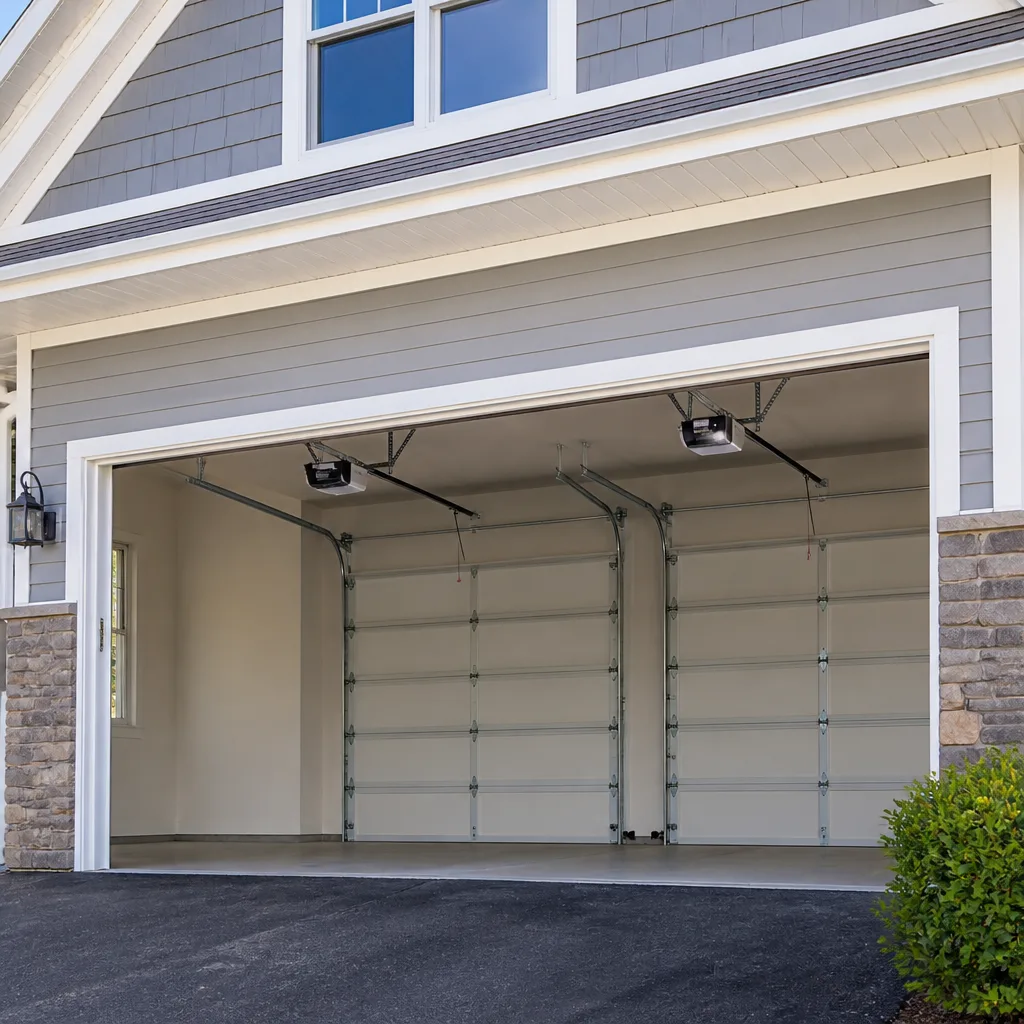 LiftMaster openers
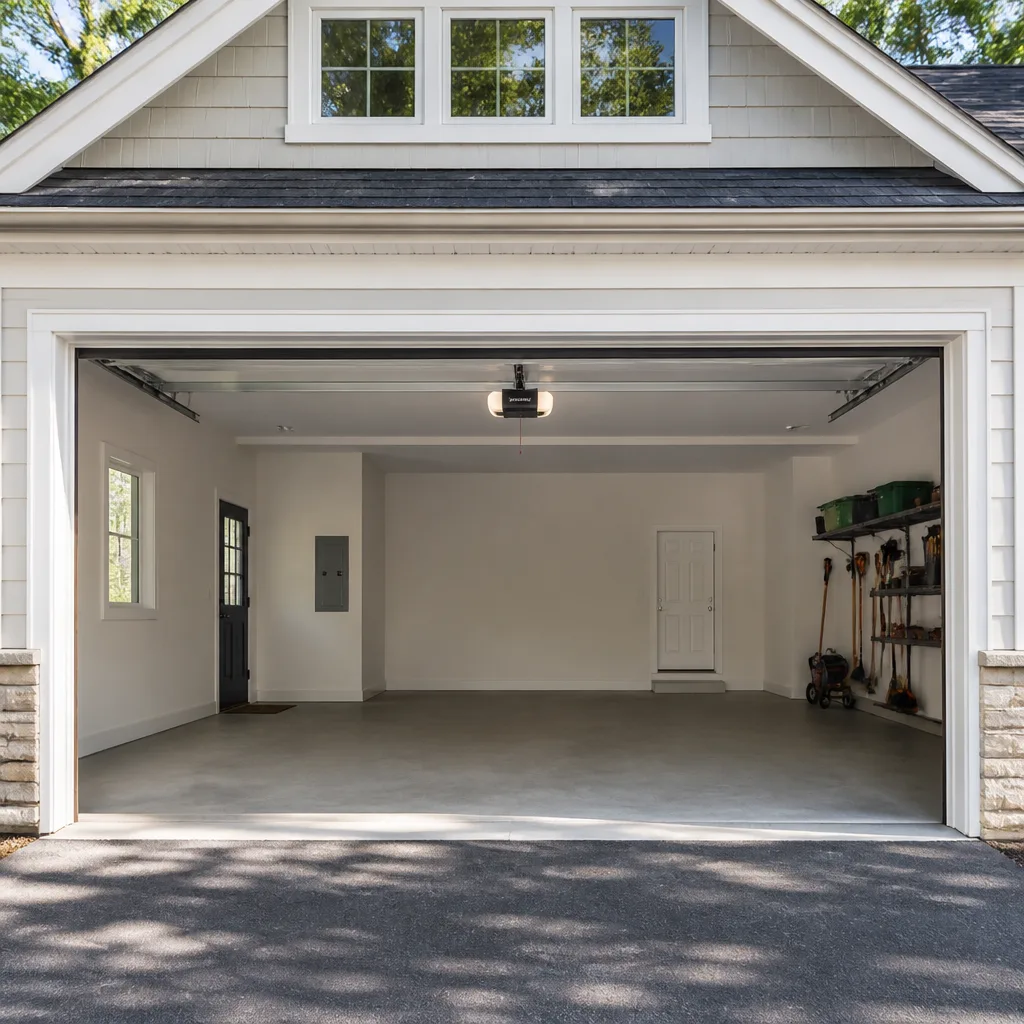 Chamberlain openers
Full 25-point door and opener safety check with every visit - springs, cables, rollers, tracks, and your LiftMaster or Chamberlain opener included
You get a price before we start. It does not change when the truck arrives.
Get your free estimateGarage Door Cost Breakdown: The Kansas City Homeowner’s Reference for 2026
The national average for a garage door replacement that every cost aggregator publishes is built from zip codes across the country. It means very little in Kansas City, where labor rates, climate-spec requirements, and the housing stock on the ground create their own price logic. A figure built on subdivisions in Phoenix and townhomes in Charlotte doesn’t tell you what a Clopay door costs to hang in a 1950s ranch with a low-clearance header, or why one spring replacement takes an hour and another takes an afternoon. This guide breaks down what the five most common garage door jobs actually cost around Kansas City in 2026, what drives the variation within each job type, and how to read a quote so the number you agree to is the number you pay.
Quick Answer
In Kansas City in 2026, most garage door work falls into five job types. Single-panel repair typically runs $150 to $400. A full single door replacement runs $1,200 to $2,500 installed. A double door replacement runs $2,000 to $4,500. Opener replacement runs $350 to $800 installed, and spring replacement runs $180 to $340 per spring. These are estimated ranges, and the written estimate you receive after a measurement sets the final price.
Styles & brands we work with
- Raised-panel steel
- Carriage house
- Modern flush
- Full-view glass
- LiftMaster openers
- Chamberlain openers
Table of Contents
- Why National Averages Miss the Kansas City Market
- The Five Most Common Jobs and What They Cost
- What Drives Cost Variation Within the Same Job
- Hidden Cost Factors in Kansas City Housing Stock
- How to Read a Garage Door Quote
- Repair or Replace? A Cost-versus-Lifespan Framework
- Common Mistakes to Avoid
- Frequently Asked Questions
Why National Averages Miss the Kansas City Market
A garage door price is built from four layers: the door or part itself, the labor to install it, the condition of the opening it goes into, and the local market’s overhead. National averages flatten all four. In Kansas City, the fourth and third layers matter more than most guides admit.
Kansas City sits in a climate band with real seasonal swing. Summers push past 95 degrees with humidity; winters dip into single digits and sometimes below. That cycle works on garage door components in specific ways. Steel panels expand and contract, wood sections take on and release moisture, and springs fatigue faster in a garage that swings 60 degrees across a season than in one that stays temperate. We’ve seen torsion springs in older Kansas City garages fail well before their rated cycle count, not because the spring was defective, but because the door it lifts has been cycling with a stiff, poorly lubricated track for years.
The practical effect is that the parts you choose and the condition of the existing hardware impact cost and longevity more here than in a mild climate. A builder-grade door that performs adequately in a temperate market can underperform in Kansas City if it isn’t rated for the temperature swing. That’s a real cost consideration, not a sales pitch.
Labor rates in the metro also run below national averages for skilled trades, which pulls installation quotes down compared with coastal cities. But parts availability cuts the other way for certain brands. A generic panel for a common door size is easy to source. A matched panel for a specific Raynor or Wayne Dalton model can take longer to get, and custom-order lead times are a real part of the project timeline. When you compare a Kansas City quote to a national one, you’re comparing two different markets with two different cost structures. If you want to understand how a repair call is priced and scoped, our garage door repair page walks through it.
The Five Most Common Jobs and What They Cost in 2026
The five job types below cover the vast majority of what Kansas City homeowners actually need. Prices are estimated ranges for the Kansas City market in 2026. They assume a standard residential garage door and a straightforward installation on an existing opening. The written estimate sets the final price after we’ve measured the opening and looked at the hardware.
| Job Type | Typical Low | Typical Mid | Typical High | What Moves You Up |
|---|---|---|---|---|
| Single panel repair | $150 | $275 | $400 | Panel availability, damage to adjacent sections |
| Full single door replacement | $1,200 | $1,800 | $2,500 | Insulation, window sections, old track and hardware |
| Double door replacement | $2,000 | $3,200 | $4,500 | Span width, door weight, header condition |
| Opener replacement | $350 | $550 | $800 | Belt vs. chain drive, smart features, rail length |
| Spring replacement (per spring) | $180 | $260 | $340 | Torsion vs. extension, door weight, winding safety |
A note on springs: a matched pair is usually replaced together, so a pair costs about twice the per-spring range shown above. This is one of the most common places a homeowner gets a surprise, because the initial quote is per spring and the invoice reflects the pair. Ask directly whether your door has one spring or a pair before you compare numbers.
Single Panel Repair
Panel repair is the cheapest of the five jobs because it swaps a single section rather than a full door. The variable is part availability. A common Clopay or Amarr section in a standard size usually turns up quickly. A panel for a less-common model or an older door that’s been discontinued can take longer and cost more. If the damage is limited to one section and the track, springs, and hardware are in usable shape, panel repair keeps a working door working for a fraction of replacement cost.
Full Single and Double Door Replacement
Replacement is where the spread between low and high widens most. A basic single door with minimal insulation and no windows sits at the low end. Insulated doors with window sections, upgraded hardware, and old track and springs that need replacing as part of the job push toward the high end. Double doors cost more for two reasons: there’s more door, and a wider span flexes more, so it needs sturdier hardware and a heavier-duty opener to lift it reliably.
Opener Replacement
Opener replacement runs $350 to $800 installed depending on drive type and features. A basic chain-drive opener for a single door is at the low end. A belt-drive unit for a wider door, or one with smart-connectivity features and a heavier lift requirement, sits higher. The opener is also a job where brand familiarity matters. Whether it’s a LiftMaster, a Chamberlain, or a Genie, the mounting, rail length, and header bracket all need to match the door being lifted. Our garage door opener repair page covers how we diagnose opener problems as a standalone specialty, since the opener is one of the two most common failure points on any door.
What Drives Cost Variation Within the Same Job
Two homeowners with the same job can be quoted very different numbers. Four factors account for most of that spread. Understanding them tells you why a quote is what it is, and where you might push back.
- Brand parts availability. A part for a common Wayne Dalton or LiftMaster system is usually easy to get. A component for a less-common model or a discontinued line takes longer and may cost more. A specialist who works across brands knows what’s quick to source and what isn’t.
- Door weight. A heavy insulated double door needs heavier springs, a sturdier opener, and more install labor than a light single door. The door’s weight affects every hardware decision downstream.
- Header clearance. The space between the top of the door and the ceiling determines how the door and opener fit. Low-clearance garages can force low-headroom track or a side-mount opener, both of which change cost.
- Existing track condition. Straight, true, well-mounted track saves labor. Bent or misaligned track has to be fixed or replaced before the new door goes in, and that’s a line item.
Kansas City has these factors in particular combinations. Older neighborhoods and newer subdivisions don’t share the same header clearances or the same door weights. If you want a straight answer on which of these applies to your door, a free estimate is the fastest way to find out. Call (855) 525-9808. We answer 24/7. Fast dispatch from 7am to 7pm, Sunday through Friday.
Hidden Cost Factors in Kansas City Housing Stock
Kansas City’s housing stock spans a wide range of eras, and each era builds garages its own way. Those differences show up in installation cost, not in the parts list.
Older homes often have non-standard garage openings. A door sized for a 1950s or 1960s garage may not match a standard replacement size, which means a custom fit or a small amount of framing to bring the opening to a standard dimension. That framing is labor you won’t see on a big-box installation quote.
Low-clearance garages are common in tighter older neighborhoods. When there isn’t enough headroom for standard track and a standard trolley opener, the job needs low-headroom track or a side-mount opener, and both change the cost and the plan. A general handyman may not spot a clearance issue until the door is halfway hung. A garage door specialist checks the header before the order goes in.
Slab issues add time. A garage floor that’s cracked or out of level can throw off door travel and require adjustment or minor repair. It’s a small item, but it’s real, and it’s the sort of thing that shows up mid-job when the installer hasn’t looked at the slab beforehand. We see these conditions every week in Kansas City, and we’d rather find them at estimate time than on install day. A Kansas City garage is rarely a clean slate, and pricing should reflect what’s actually there.
This is also where the brand-agnostic approach matters. A single-brand dealer may push the door and hardware they carry regardless of whether it fits the opening. A specialist who works across brands can pick the door that fits what you’ve got rather than making your garage fit one product line.
How to Read a Garage Door Quote
A quote is a document, and reading it properly is how you avoid paying more than the number on it. Most quotes contain two kinds of line items: fixed costs and negotiable ones.
Fixed costs
- The door or parts themselves. These are set by the manufacturer. There’s little room to move here unless you choose a different model or grade.
- Labor to install. This is based on the size and complexity of the job. It’s not a number to whittle down; it reflects real time on site.
- Disposal or haul-away of the old door and hardware, if included. Ask whether it’s in the quote or added later.
Negotiable items
- Door grade and insulation. You can move the price by choosing a different insulation level or skipping window sections.
- Opener features. Smart connectivity, belt-drive quietness, and battery backup are add-ons. A basic opener operates the door fine.
- Optional hardware and accessories. These should be itemized so you can decide whether you need them.
A suspiciously low quote is telling you something. It usually means one of three things: the labor estimate is unrealistically thin, the old door and track removal isn’t included, or a needed repair (track, framing, slab) is being left to surface later as a change order. Ask what the quote excludes as well as what it includes. The lowest number is only the lowest number if nothing gets added to it.
What a quote should always state
- The exact door or parts, by model or specification.
- Whether old door, track, and hardware removal is included.
- Whether the opener and safety sensors are part of the job.
- A clear service description for any repair work.
- A written price that’s agreed before work starts.
A good quote answers all five questions on paper. When we work with a homeowner, the number in the written estimate is the number we agree to before we touch the door. We work on what you already have, and we quote the job we can see, after checking the opening.
Repair or Replace? A Cost-versus-Lifespan Framework
Generic depreciation tables aren’t much help in Kansas City, because they don’t account for how our climate wears on doors and hardware. A better framework asks four questions about what’s actually on your garage.
Age and condition of the door itself. A structurally sound door with cosmetic wear is usually worth repairing. A door with rot, severe panel damage, or a failing bottom section is usually a replacement candidate. In Kansas City, wood doors that have spent years in humidity swings need a close look before you invest in repair.
How much of the hardware is already worn. If you’re replacing springs, opener, and track in the same year, you’re paying for a replacement in installments. At that point, new door and hardware together usually makes more sense than piecemeal repair. If only the opener has failed and the door and springs are healthy, an opener replacement is the clear choice.
Parts availability for your door’s model. A door that’s still supported by the manufacturer is cheaper to repair. A discontinued door with a limited parts supply is a door that will get harder and more expensive to fix over time.
The cycle rate the door has been living with. A door that opens and closes several times a day carries more wear than one used twice a day. The more cycles a door has logged, the less life remains in its springs and hardware, and the closer the math moves toward replacement.
Repair stays the right call when the door is sound and only one component has failed. Replacement makes more sense when the door’s structure is compromised or when multiple components are failing in the same season. In our experience, a specialist can give you a straight answer on this in a single visit once they’ve looked at the door. We’ve been serving Kansas City since 2011, and that focus on the door itself is why we can tell the difference between a repair that holds and a repair that just delays the inevitable.
Common Mistakes to Avoid
- Comparing a per-spring quote to a pair quote. A spring range is per spring, and most doors have a pair. Comparing a one-spring price to a two-spring price is comparing different jobs. Ask how many springs your door has before you compare numbers.
- Choosing a quote by the lowest number alone. A low quote that excludes removal, track repair, or slab work will grow once the job starts. Read what’s included, not just what’s on the bottom line.
- Skipping the clearance check before ordering a door. In Kansas City’s older homes, low-clearance garages need low-headroom track or a side-mount opener. Spotting that at estimate time saves a redesign mid-install.
- Hiring a handyman for a spring or track job. Springs are under high tension and track work affects the door’s safe travel. A garage door specialist handles both with the right tools and process.
- Replacing only one spring when both are the same age. Springs in a matched pair have lived the same life. Replacing one and leaving the other usually means a second service call before long.
- Ignoring the opener’s brand and drive type when replacing a door. A heavier door may need a stronger opener. A new door paired with an underpowered opener won’t last. A specialist checks the match up front, whether it’s a Chamberlain or a Genie lifting the door.
- Trusting a national average over a local quote. A Kansas City quote reflects Kansas City labor rates and local part availability. A national average reflects neither, and can lead you to overpay or accept an unrealistic lowball.
See the difference
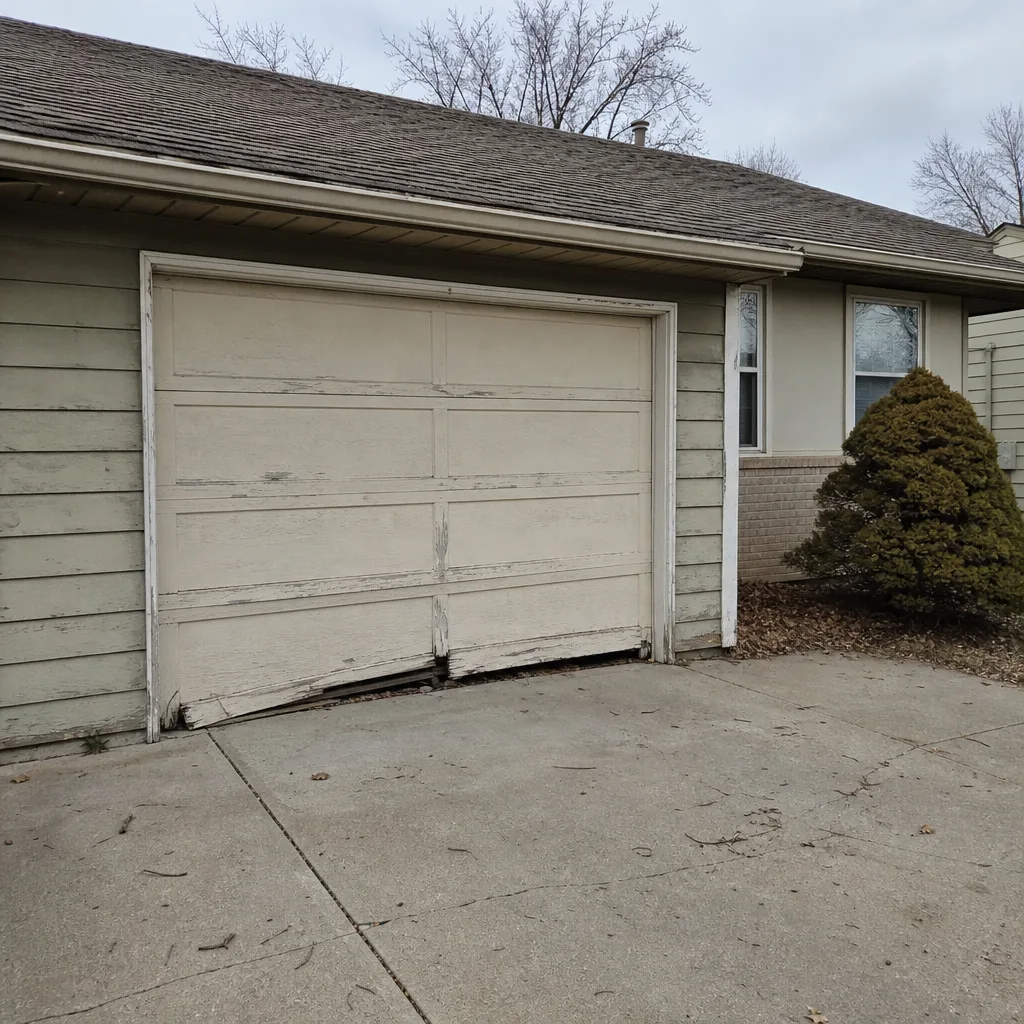 Before
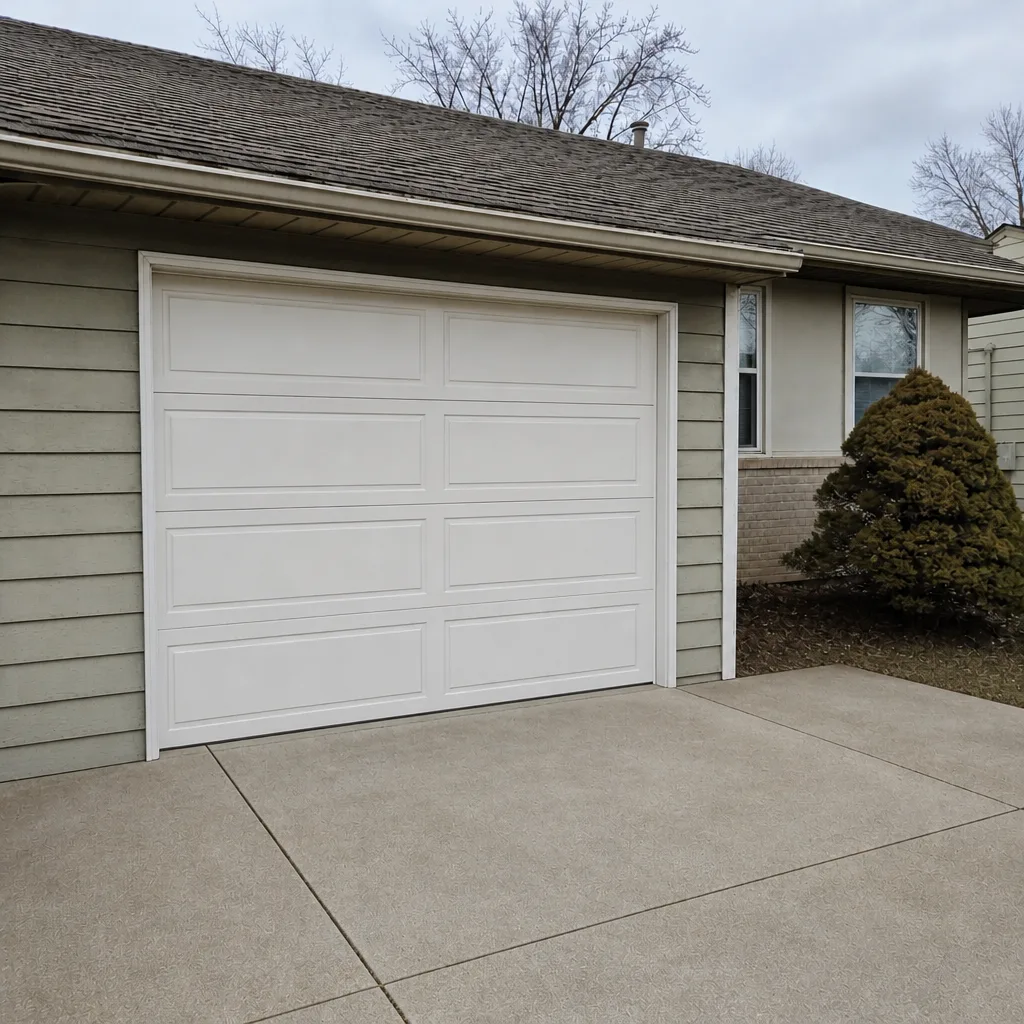 After
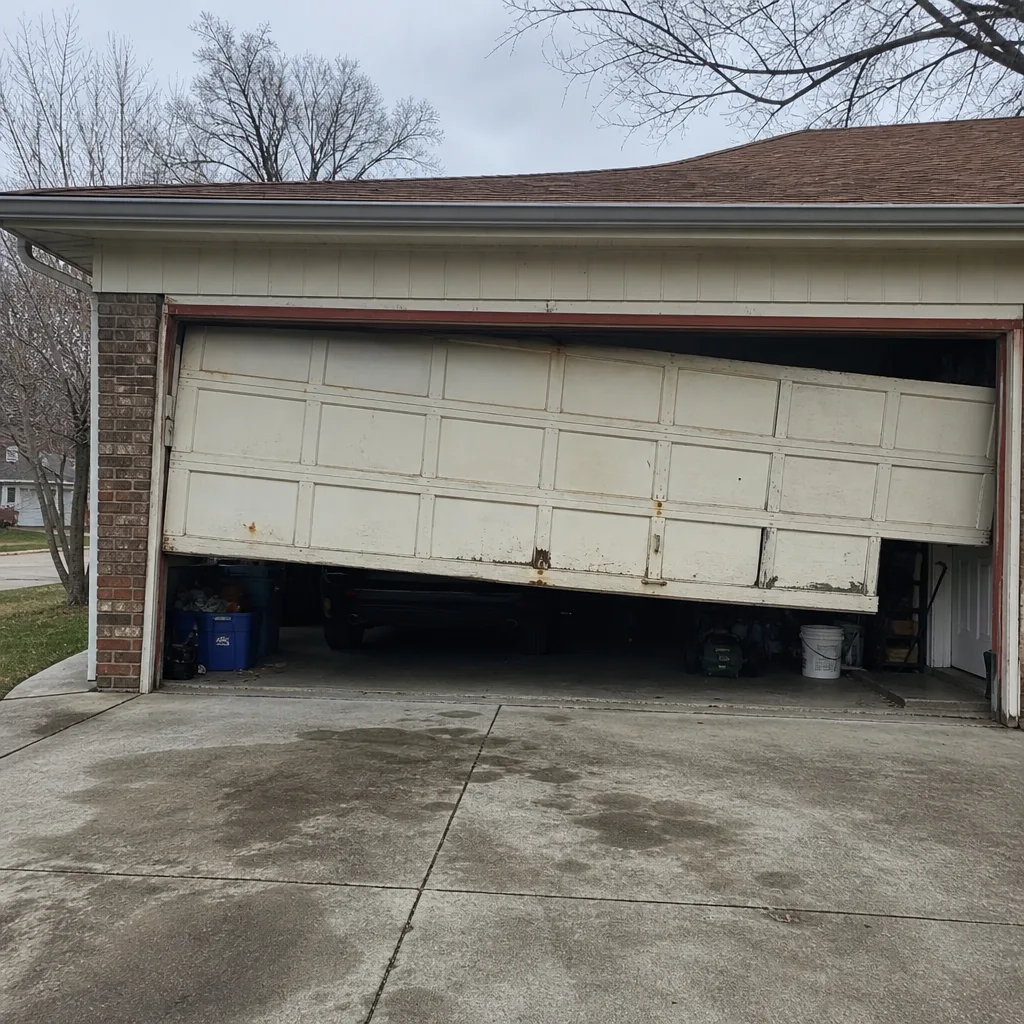 Before
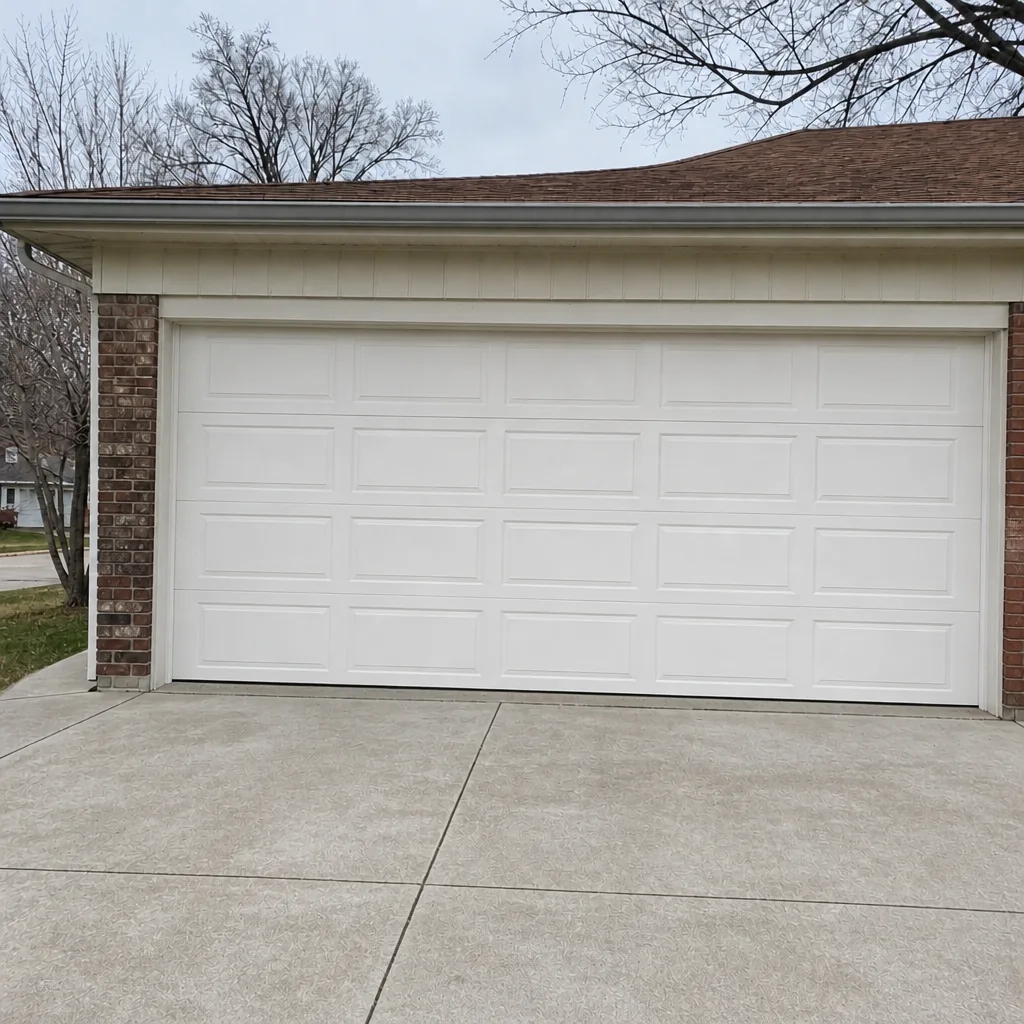 After
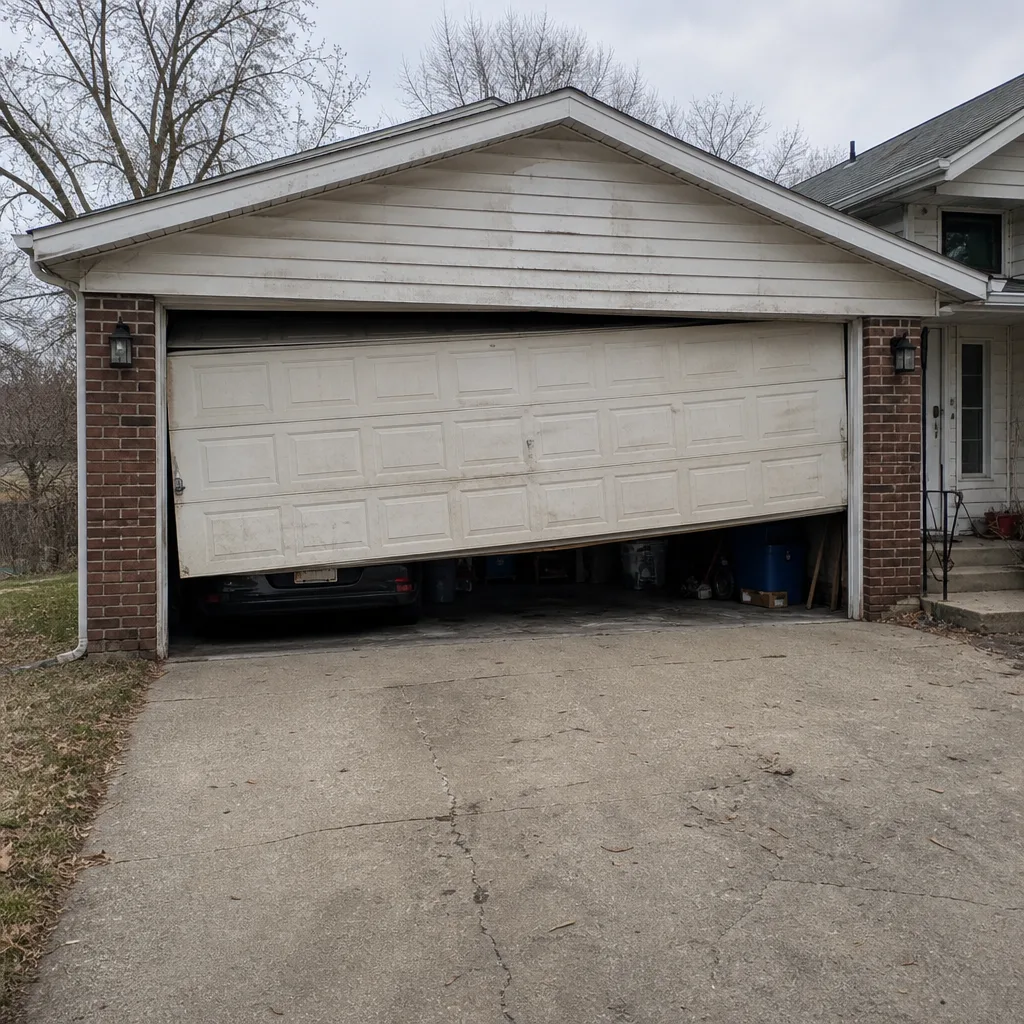 Before
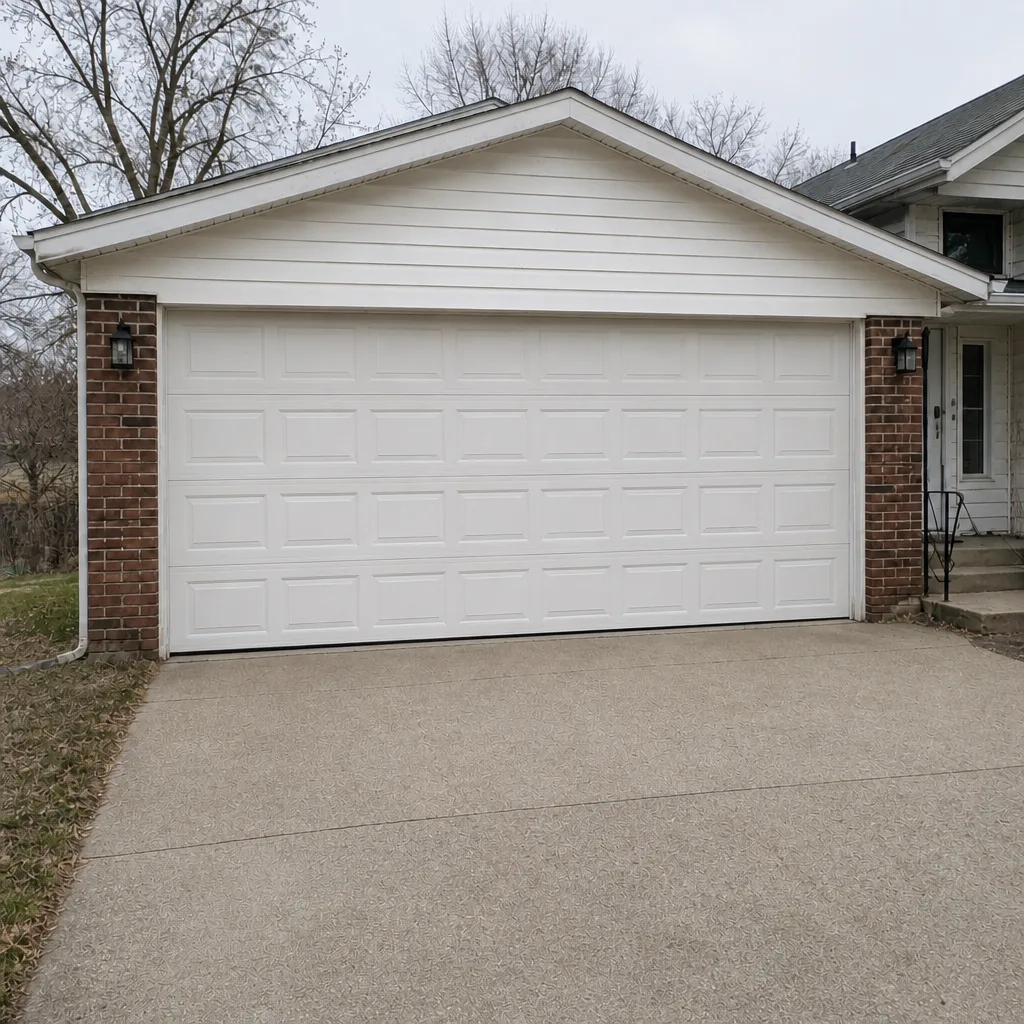 After
When to Call a Professional
Several situations call for a trained technician rather than a weekend attempt. If a door is stuck down or stuck up, if a spring has broken or a cable is loose, or if the door travels unevenly and no longer sits flush, stop and call. Springs and cables carry dangerous tension, and a door that’s off its track can fall. A garage door that opens a few inches and stops, or that reverses on its own, usually signals an issue with the opener, the safety sensors, or a worn spring, and those are best diagnosed with the door weight and hardware in view.
Graystone Garage Door Repair offers free estimates in Kansas City – call (855) 525-9808. We answer 24/7. Fast dispatch from 7am to 7pm, Sunday through Friday. Whether it’s a LiftMaster opener or a Wayne Dalton panel, we diagnose it and quote it in writing before any work starts.
Frequently Asked Questions
A single garage door replacement in Kansas City typically runs $1,200 to $2,500 installed, and a double door runs $2,000 to $4,500, depending on insulation, window sections, and whether old track and hardware need replacing. The written estimate sets the final price. Call (855) 525-9808 for a free estimate.
Repair is cheaper when the door is structurally sound and only one component has failed, such as a spring or an opener. Replacement makes more sense when the door has rot or severe panel damage, or when several components are failing at once. A specialist can tell you which you’re facing after looking at the door.
Quotes differ because of what’s included and what’s left out, not just the headline number. One quote may exclude old door removal, track repair, or slab work, while another includes them. Compare line items, not bottom lines, and ask what each quote excludes.
A matched pair of springs is usually replaced together because both have cycled the same number of times and share the same wear. Replacing just one can leave you with a second failure and a second service call before long. Spring replacement runs $180 to $340 per spring, so a pair is about twice that.
Most repair jobs can be handled the same day. Call (855) 525-9808. We answer 24/7. Fast dispatch from 7am to 7pm, Sunday through Friday. A call outside dispatch hours is booked into the next opening, Sunday through Friday, 7am to 7pm.
The price is quoted and agreed before any work starts, so there are no surprises on the invoice. If the initial estimate was based on limited information, the written estimate after we measure the opening is the final number. Call (855) 525-9808 for a free estimate.
We work on LiftMaster, Chamberlain, Genie, Clopay, Amarr, Wayne Dalton, Craftsman, and Raynor products, so most parts for these brands can be sourced or carried. For less-common or discontinued models, lead time may apply. Ask when you call and we’ll tell you what to expect.
A standard single door replacement usually takes a few hours once the door and parts are on site. Custom sizing, framing for a non-standard opening, or low-clearance track adds time. Because installation is measured, ordered, and scheduled, the free measure and written price come before the install date.
The Bottom Line
Garage door pricing in Kansas City in 2026 is shaped by local labor rates, brand parts availability, and the housing stock behind the opening. National averages flat-out don’t capture those factors. The five common job types each have a typical range: panel repair at $150 to $400, single door replacement at $1,200 to $2,500, double door replacement at $2,000 to $4,500, opener replacement at $350 to $800, and spring replacement at $180 to $340 per spring. The written estimate, after a proper measurement, sets the final price. Read the quote for what’s included, know whether your door has one spring or two, and let a specialist check clearance before you order. That’s how you avoid the surprise line item.
If you want a straight answer on your own door, call Graystone Garage Door Repair at (855) 525-9808 for a free estimate. We answer 24/7. Fast dispatch from 7am to 7pm, Sunday through Friday. Whether you’re in Kansas City or across the metro, our team handles Graystone Garage Door Repair work with the written price agreed before work starts. Garage doors are all we do.
Written by the team at Graystone Garage Door Repair, serving Kansas City since 2011.