
Last updated November 14, 2026
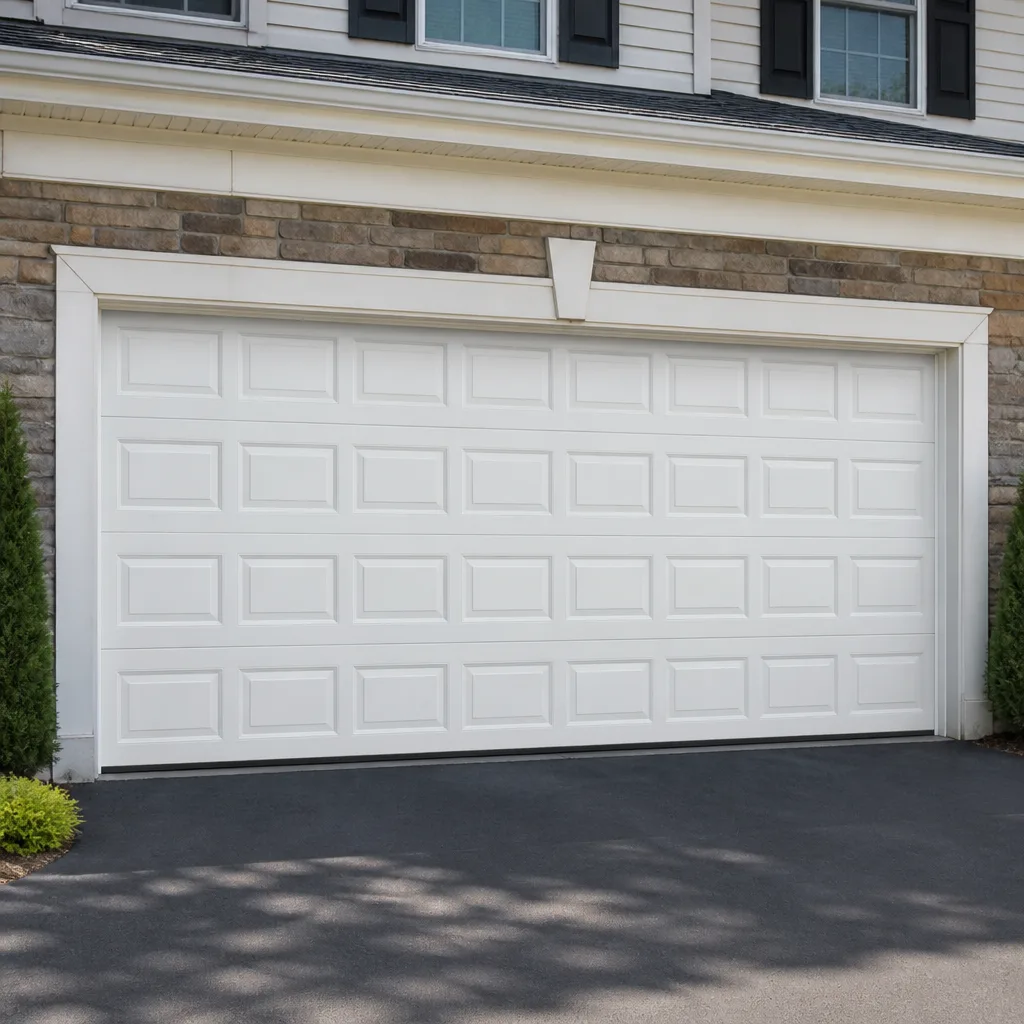 Raised-panel steel
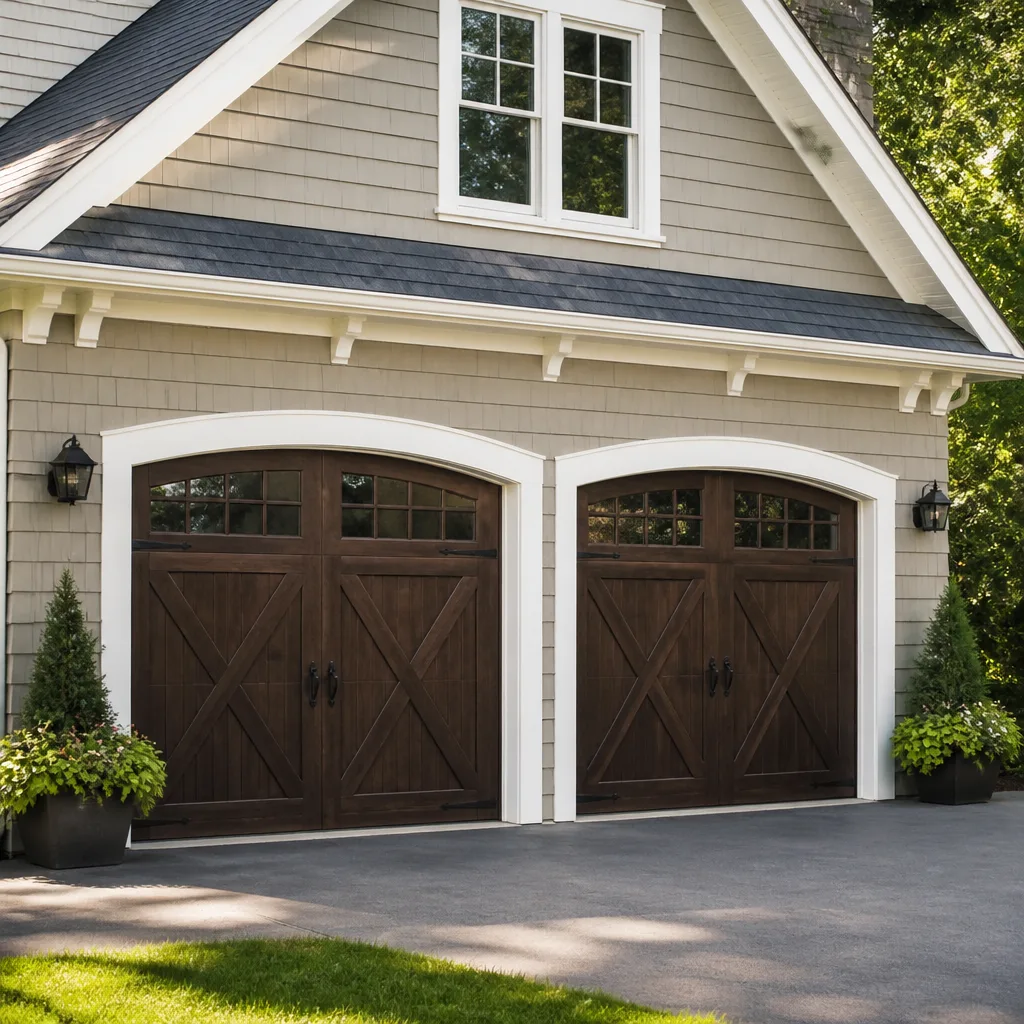 Carriage house
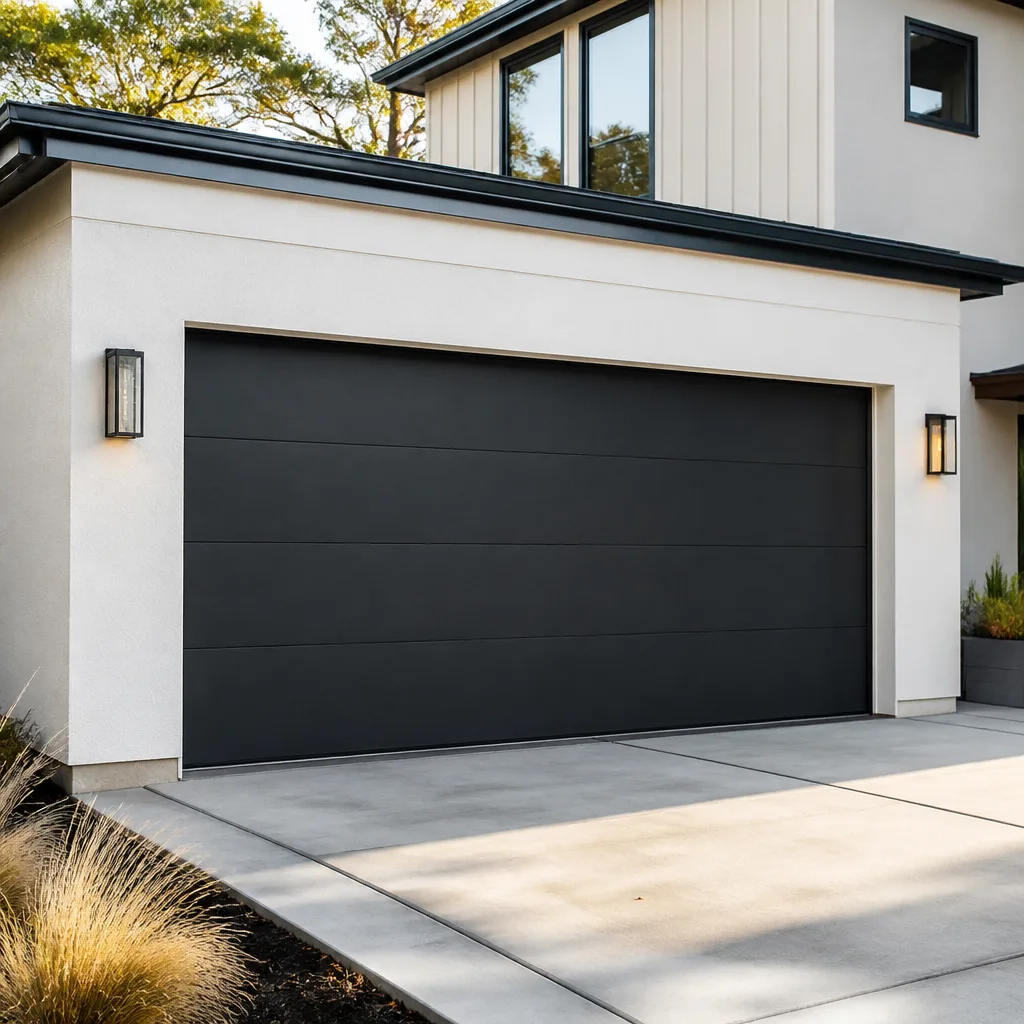 Modern flush
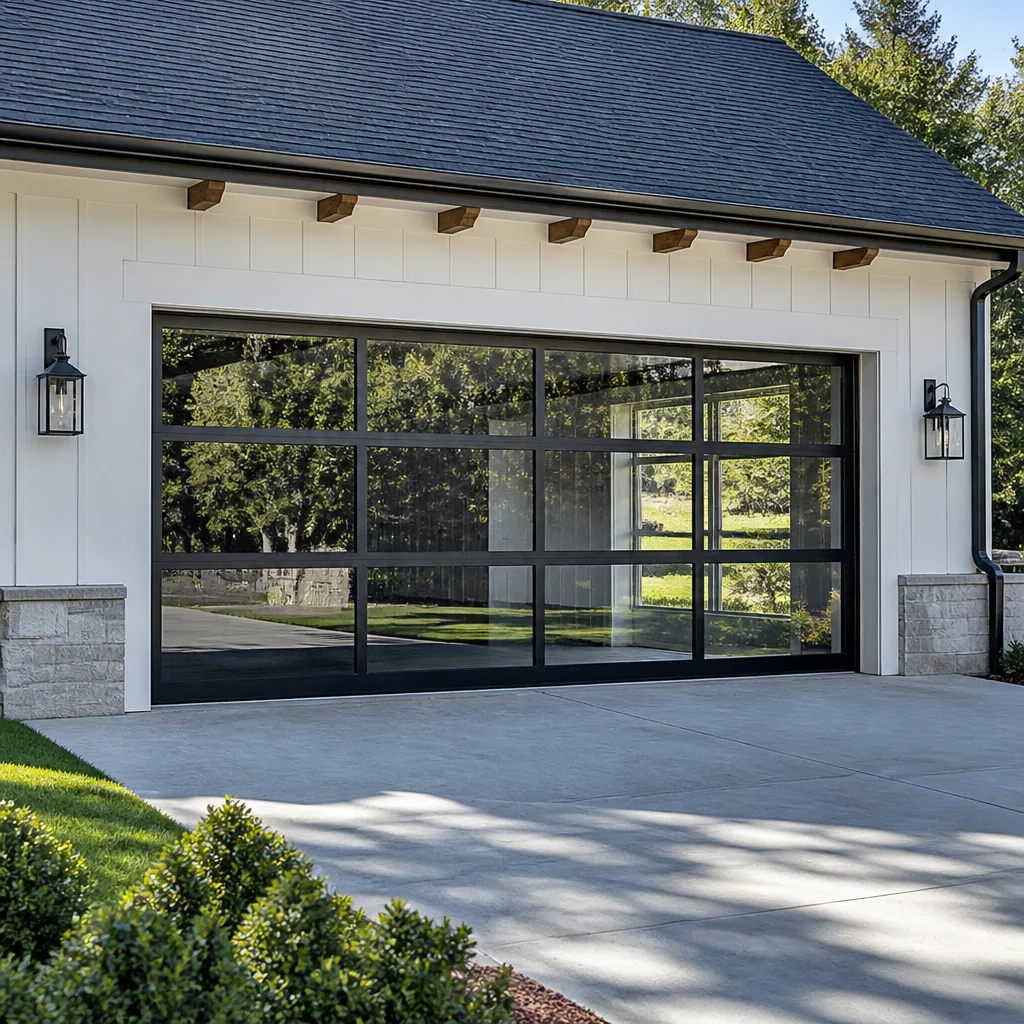 Full-view glass
 LiftMaster openers
 Chamberlain openers
Full 25-point door and opener safety check with every visit - springs, cables, rollers, tracks, and your LiftMaster or Chamberlain opener included
You get a price before we start. It does not change when the truck arrives.
Get your free estimateSeasonal Garage Door Care for Kansas City: Year-Round Homeowner’s Guide
Most homeowners treat garage door maintenance like an oil change: once a year, whenever they get around to it. That schedule was built for climates that barely change, and Kansas City isn’t one of them. Between January lows near 20°F and summer heat index readings above 105°F, the steel, springs, and seals on your door go through roughly 85°F of thermal swing every year. Expansion and contraction at that scale don’t care that a technician greased the rollers in March. Here’s how to time maintenance to Kansas City’s four genuinely distinct seasons, so small adjustments stay small.
Quick Answer
Seasonal garage door care in Kansas City means matching maintenance to temperature: check spring tension and weatherstripping before winter cold, ventilate and inspect the opener motor before summer heat, and inspect hinges, rollers, and wind bracing as spring storm season approaches. A single annual tune-up misses the two transitions – fall and late spring – when most preventable wear actually starts.
Styles & brands we work with
- Raised-panel steel
- Carriage house
- Modern flush
- Full-view glass
- LiftMaster openers
- Chamberlain openers
Table of Contents
- Why a Garage Door Reacts to Kansas City Weather
- Winter: Cold Springs, Heavier Doors, and What to Watch
- The Fall Weatherstripping Audit
- Summer Heat and Opener Motor Performance
- Spring Storm Prep: Tornado-Rated Doors and Wind Braces
- Your Kansas City Month-by-Month Task Calendar
- What You Can Safely Check Yourself
- Common Mistakes to Avoid
Why a Garage Door Reacts to Kansas City Weather
Your garage door is the largest moving object on the house, and almost all of it is metal. Steel door panels, aluminum tracks, and torsion springs all expand and contract at slightly different rates. A door that glides in April can feel stiff in January and sound different again in August. None of that is a defect. It’s the physics of an outdoor-rated machine bolted to a wall in a place with real winters and real summers.
Kansas City sits in a transition zone, which is the hard part. The region gets cold enough in mid-winter to stiffen lubricants and contract metal, warm enough in summer to bake an unventilated opener motor, and windy enough in spring that wind load becomes a real consideration. That combination means the maintenance calendar here doesn’t look like a national template. A homeowner near Wyandotte County who follows a generic “service your door every spring” reminder is checking the wrong things at the wrong time.
What stays constant across all four seasons is the set of components that carry the most load:
- Torsion springs or extension springs, which store the energy that lifts the door
- Rollers and hinges, which turn and pivot every single cycle
- Weatherstripping and bottom seals, which take the brunt of temperature swings and moisture
- The opener motor and its drive system, whether that’s a belt, chain, or screw drive
We work on what you already have, which means we’ve seen how a LiftMaster belt-drive opener handles a Kansas City July versus how a Craftsman chain-drive unit does in the same garage. The component layout differs. The seasonal logic doesn’t. Below, we walk through each season in turn, then pull it into a single calendar you can actually use.
Winter: Cold Springs, Heavier Doors, and What to Watch
The most common winter complaint we hear is simple: the door feels heavier. That’s not imagination. Steel contracts as temperatures fall, and torsion springs respond to cold the same way a rubber band does – they lose some elasticity. A properly balanced door should feel close to weightless when you lift it by hand with the opener disengaged. If it suddenly feels like you’re lifting a real door in January, the spring is telling you something.
Lubricant is the second factor. Grease and oil thicken in the cold, so rollers and hinges that turned freely in October drag a little in January. A door that strains against a stiff mechanism puts more load on the opener motor, on the springs, and on the hinges. That extra strain is where small winter issues become spring repairs.
There’s also a moisture story specific to the region. Ground that freezes and thaws repeatedly can shift slightly, and the concrete slab your door closes onto can shift with it. When that happens, the bottom seal starts making uneven contact – tight on one side, a visible gap on the other.
Winter checklist
- Lift the door by hand (opener disengaged) and note whether it feels notably heavier than usual
- Look for a visible light gap under the bottom seal from inside a dark garage
- Listen to the door while it runs – grinding or squealing means the rollers or hinges need attention
- Keep the track clean of ice and salt residue at the floor
One safety note before you touch anything with a spring: torsion springs and the cables that run with them are under extreme tension and can cause serious injury if handled by anyone without training. We don’t recommend adjusting or replacing a spring yourself. Have a trained technician inspect it, and describe the symptoms – heavier door, uneven lift, louder operation – rather than diagnosing it on your own.
The Fall Weatherstripping Audit
Weatherstripping is the cheapest part on your garage door and the one with the biggest seasonal payoff. Get it right before winter and you keep cold air, moisture, and small pests out through the harshest stretch of the year. Get it wrong and you spend January feeling a draft through the door and watching frost form at the bottom seal.
The mistake most homeowners make is buying a universal seal without looking at their actual floor. Concrete isn’t uniform. A slab that’s perfectly flat needs a different seal from one with a visible gap at one corner, and a slab with a subtle crown or dip needs something different again. Match the seal to the floor before you shop.
Match the seal to what you see
- Flat slab, even contact: a standard vinyl or rubber bottom seal usually closes the gap cleanly
- Uneven slab with an even gap across the width: a thicker bulb seal or a brush seal may close it better
- Noticeable low spot at one corner: you may need an adjustable retainer or a larger seal profile
- Cracks in the concrete at the threshold: fill the cracks first, then choose the seal; the seal isn’t a patch for the slab
- Rough or chipped concrete edges: a brush seal tends to ride over rough surfaces better than a soft bulb
Check the perimeter weatherstripping too, the strips along the sides and top of the opening. Those take sun exposure all summer and can harden or crack by fall. A simple squeeze test with your fingers tells you a lot: if the material feels stiff or crumbles, it’s time to replace it.
If you’re in Kansas City and unsure which seal type fits your floor, that’s a conversation worth having before the cold arrives. We can look at the gap and recommend the right seal for your slab rather than selling you a one-size option. For any repair work that’s more than a seal swap, our garage door repair team handles the door, tracks, rollers, and seals together so nothing gets missed in isolation.
Summer Heat and Opener Motor Performance
Summer is when your opener motor works hardest and gets the least airflow. A garage attached to the house traps heat, and the opener sits near the ceiling, right where warm air pools. Motor components are rated to handle normal garage temperatures, but continuous exposure to the kind of heat that comes with a heat index north of 105°F pushes every motor toward its limits. That matters for longevity, and it matters for how the opener behaves on the hottest days of July and August.
What actually goes wrong in summer heat tends to follow a pattern:
- Overheating and auto-shutdown: many openers are designed to stop and cool down after excessive cycles; frequent stops on hot days are a sign the unit needs breathing room
- Stiffened lubrication: the opposite of winter’s problem but the same result – drag on the mechanism
- Logic board strain: heat is tough on circuit boards and capacitors, and smart-connectivity components are especially sensitive to sustained high temperatures
The fix is usually about airflow and cycle discipline rather than a repair. Leave clear space around the opener housing; don’t stack boxes against it or enclose it in a shelf unit. If your opener is mounted in a tight soffit or a low-ceiling spot where heat has no escape, that garage may just run hotter than average, and the opener’s duty cycle should reflect it.
Summer checklist
- Clear storage away from the opener housing so air can circulate
- Check the manufacturer’s manual for your opener’s rated duty cycle and cooling instructions
- Note any pattern of the opener stopping mid-cycle and restarting after a pause – that’s usually heat-related
- Clean dust off the motor housing; dust insulates and makes an already-hot motor run hotter
Opener problems deserve their own visit rather than getting folded into a general door repair call. Whether it’s a LiftMaster, Chamberlain, Genie, or Raynor unit, our garage door opener repair team diagnoses the motor, drive system, and connectivity layer together so a heat-related shutdown doesn’t get misread as a failing logic board. Diagnosed correctly the first time saves you a return visit.
Spring Storm Prep: Tornado-Rated Doors and Wind Braces
Spring in Kansas City means storm season, and for a garage door that means wind load. Your garage door is often the largest single opening on the house, and a standard door mounted in a garage wall is designed for normal weather, not sustained high wind. That’s where the conversation shifts from maintenance to structure.
A wind-rated garage door is engineered and tested to resist specific pressure loads, and it’s installed with a bracing and reinforcement package that includes heavier gauge struts, reinforced hinges, and stronger tracks. A standard door with a wind brace kit gets some of that reinforcement added after the fact. The kit typically includes horizontal struts across the door width and reinforced hardware at the pivot points and hinges.
What a wind brace kit actually does is stiffen the door face so it resists flexing under pressure. That matters because a door that flexes can pop out of its track, and once a door leaves the track in a storm, the damage tends to multiply: bent panels, twisted track, and potentially a compromised opening. A brace kit doesn’t make a standard door the same as a door built and tested to a wind-load rating. It improves how a standard door handles pressure.
Spring prep steps
- Ask your city’s building department what the current requirements are for garage door wind resistance in your jurisdiction, since rules vary and change
- Have the door, tracks, and hinges inspected for wear before storm season, not after
- Discuss whether a brace kit or a replacement door with a wind-load rating fits your situation and budget
- Confirm the tracks are level and the door is balanced, since an off-balance door is more likely to leave the track
- Check that all hinges and fasteners are tight; loose hardware reduces stiffness
Need a hand with a door that’s been through a few storm seasons? Graystone Garage Door Repair offers free estimates in Kansas City and can walk you through whether your door needs reinforcement or replacement. Whether it’s a Wayne Dalton panel or a Raynor door, we look at what you have and give you a straight answer on what will actually help.
Your Kansas City Month-by-Month Task Calendar
This is the part that matters most, because the right task at the wrong time is wasted effort. Here’s a maintenance calendar built around the actual seasonal transitions in this climate rather than a generic national reminder.
January and February: Deep Cold
This is when the door feels heaviest and the springs are under the most load. Focus on listening and noticing: any new noise, uneven lift, or visible gap at the bottom threshold is a signal. Don’t adjust anything spring-related yourself. If the door feels substantially heavier or the opener struggles, call a technician.
March and April: Storm Season Begins
Inspect the tracks for alignment, check that hinges and fasteners are tight, and talk through wind resistance with a professional if your door is older or has taken a hit before. This is the ideal window for a full door inspection before the weather front moves through.
May and June: Pre-Summer Setup
Clear space around the opener motor before the heat settles in. Clean dust off the housing. Run the door and note whether the opener cycles cleanly. If it’s been a while since a full tune-up, this is the window to get one done while it’s still temperate.
July and August: Peak Heat
Watch for any pattern of the opener stopping and restarting, which is often heat-related. Check the bottom seal again; summer heat can harden it and open up small gaps. Keep the garage as ventilated as you reasonably can.
September and October: Winter Prep
This is the most important window on the calendar. Do the full weatherstripping audit: bottom seal, perimeter strips, and threshold contact. Lubricate the rollers and hinges. Have the springs inspected. Anything that needs replacing should be replaced now, while the season is mild and before the door is under winter load.
November and December: First Cold
Run the door and note any change in feel from fall. Check the bottom seal again once the ground starts freezing, since a shifting slab can open small gaps. If you’ve done the fall work, this window is usually quiet.
If that calendar feels like a lot, the short version is this: the fall audit and the pre-summer setup are the two checkpoints that do the most work. Everything else is noticing problems early. Homeowners across Kansas City can use this rhythm regardless of the door brand they’ve got.
What You Can Safely Check Yourself
Some seasonal tasks are safe for a homeowner with a step ladder and a flashlight. Others should stay with a trained technician. Here’s the line.
Safe to do yourself
- Visually inspect the bottom seal for gaps and the perimeter weatherstripping for cracking
- Clear storage and dust away from the opener motor housing
- Listen for new noises during a normal open and close cycle
- Check that hinges and fasteners are visually tight (with the door closed and the opener disengaged)
- Clean the track of leaves, debris, and ice at the floor
Leave to a professional
- Any adjustment to torsion or extension springs
- Any work involving the lift cables
- Track straightening or realignment
- Opener motor or logic board diagnosis and repair
- Anything that requires removing or reinstalling door panels
Springs and cables are under strong tension and can cause serious injury. Even a door that looks stable can release stored energy unexpectedly. If you hear a sharp bang from the garage and the door won’t lift, that’s often a spring breaking, and the right move is to leave the door closed and call a technician. That’s a same-day repair call more often than not. Our trucks carry replacement springs and common hardware, so a spring failure or a jammed door is usually handled on the first visit.
See the difference
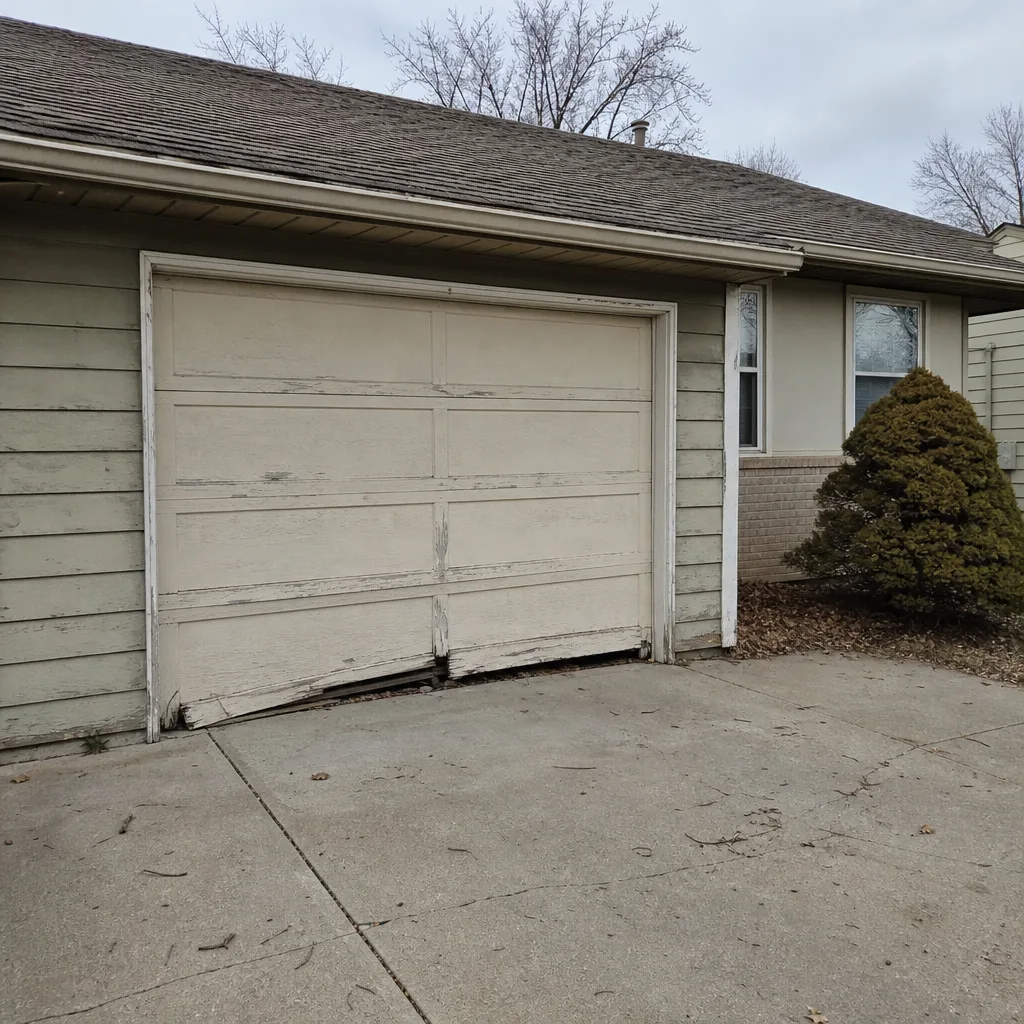 Before
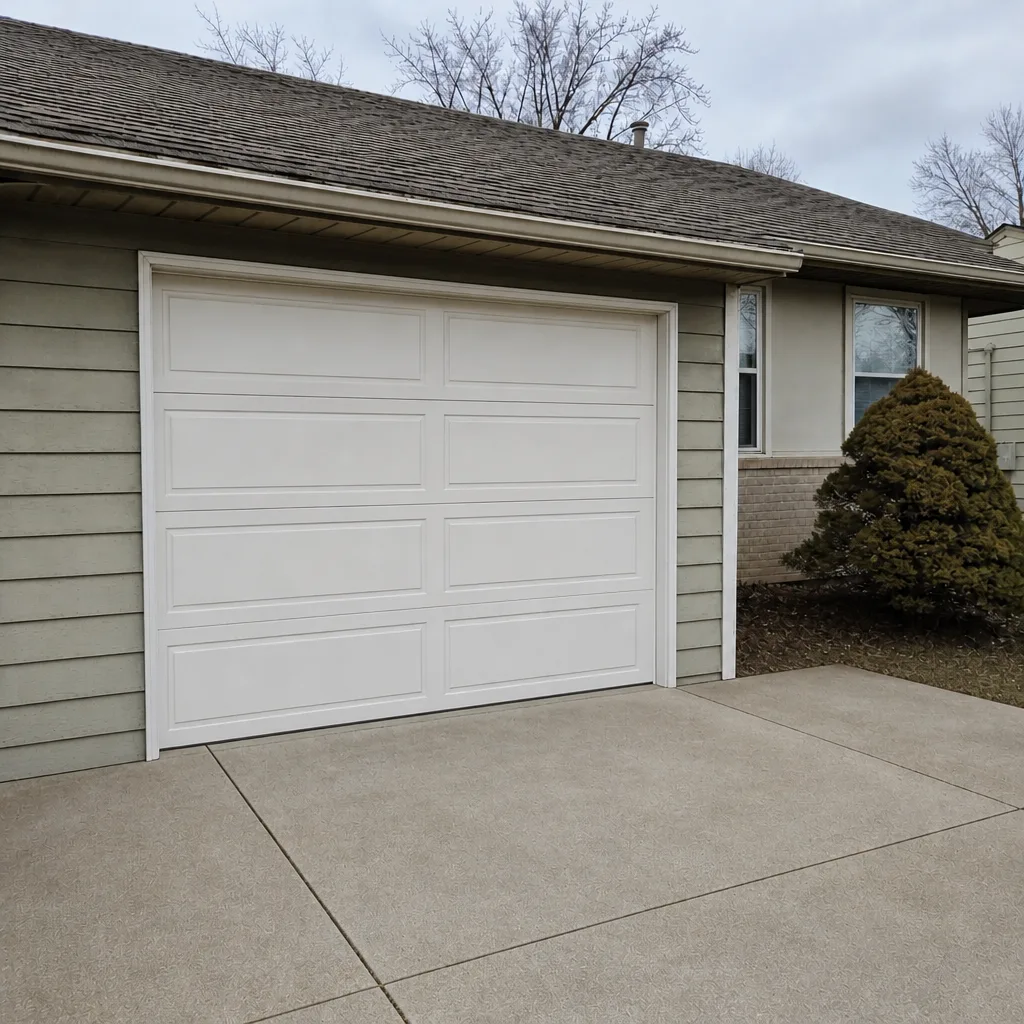 After
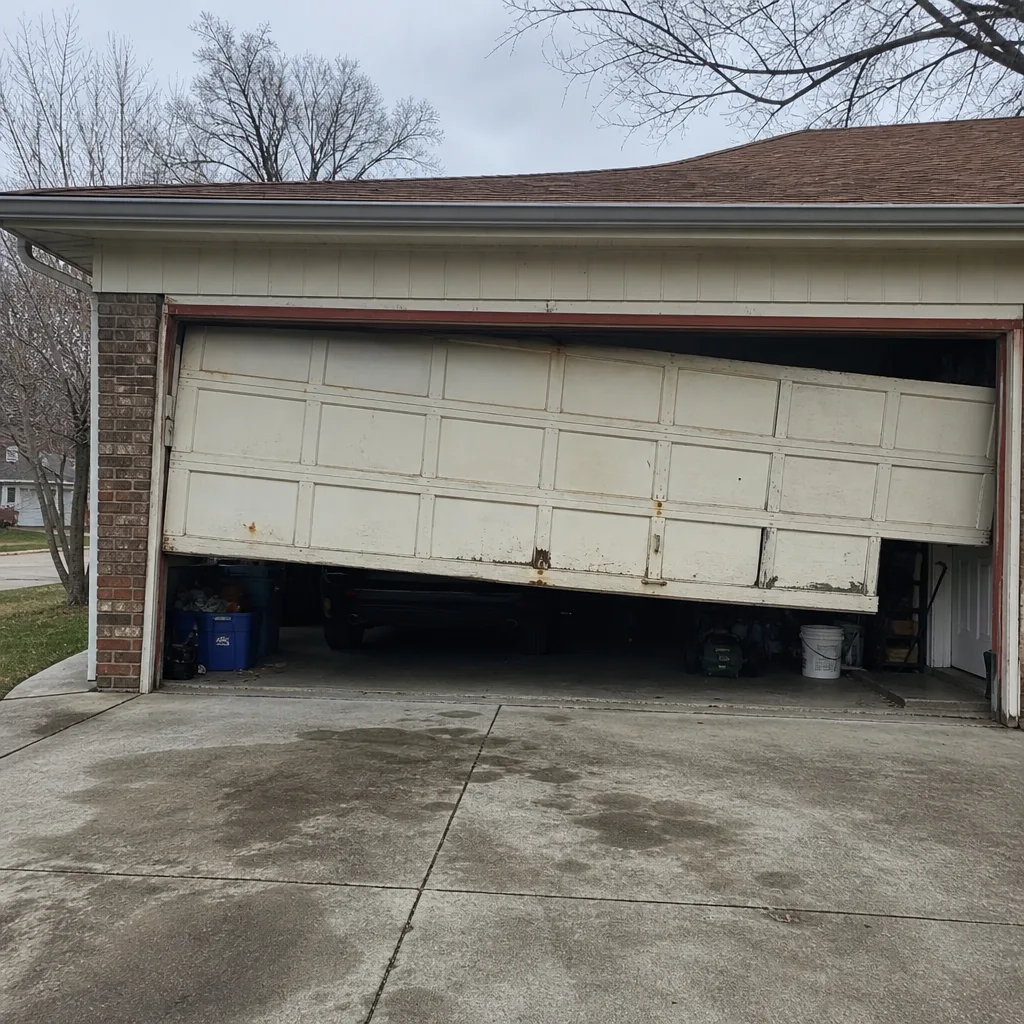 Before
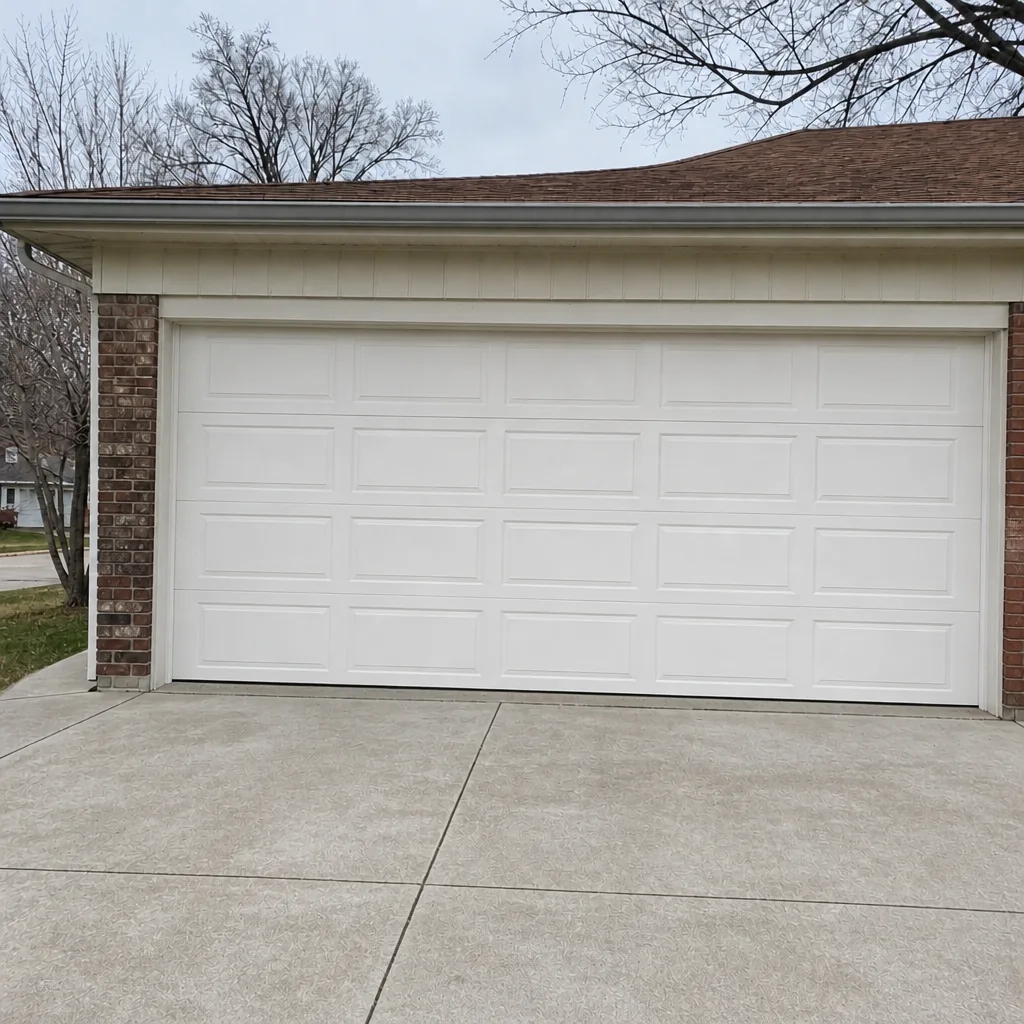 After
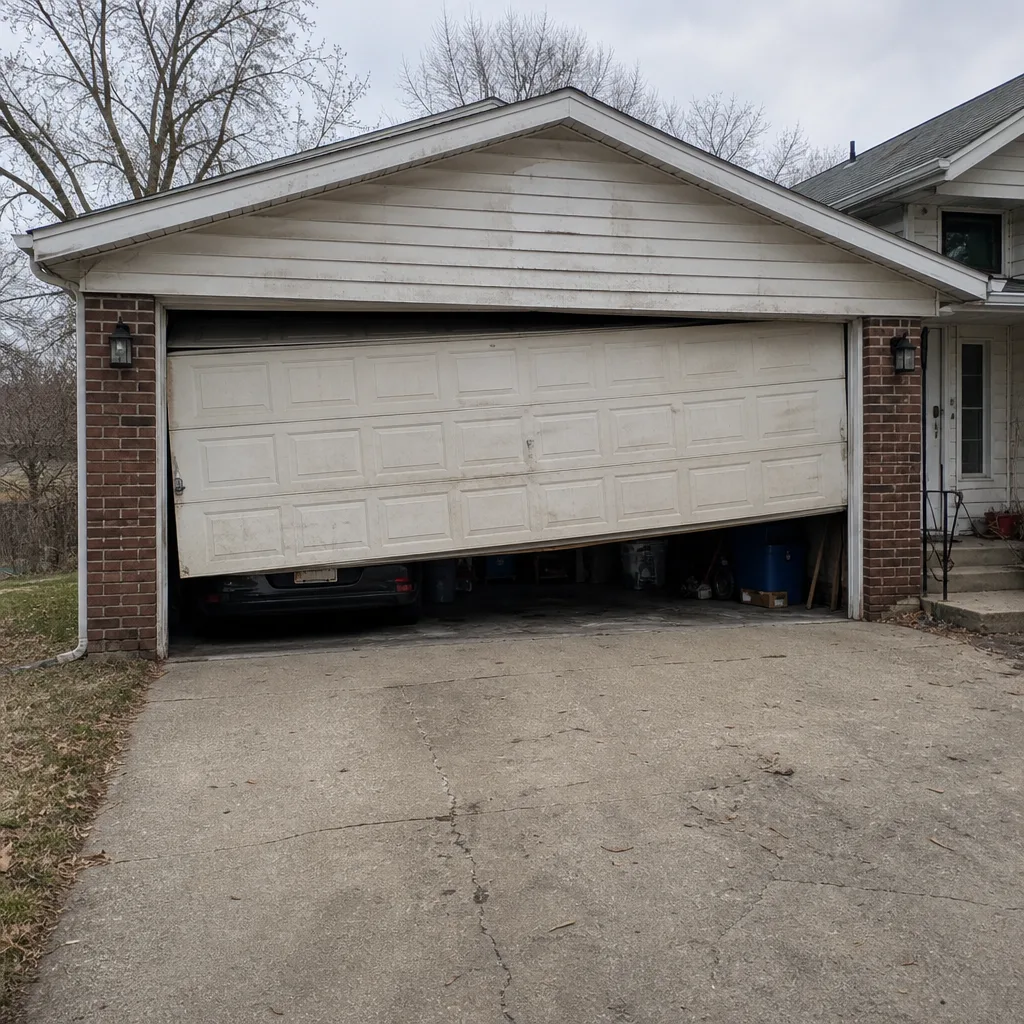 Before
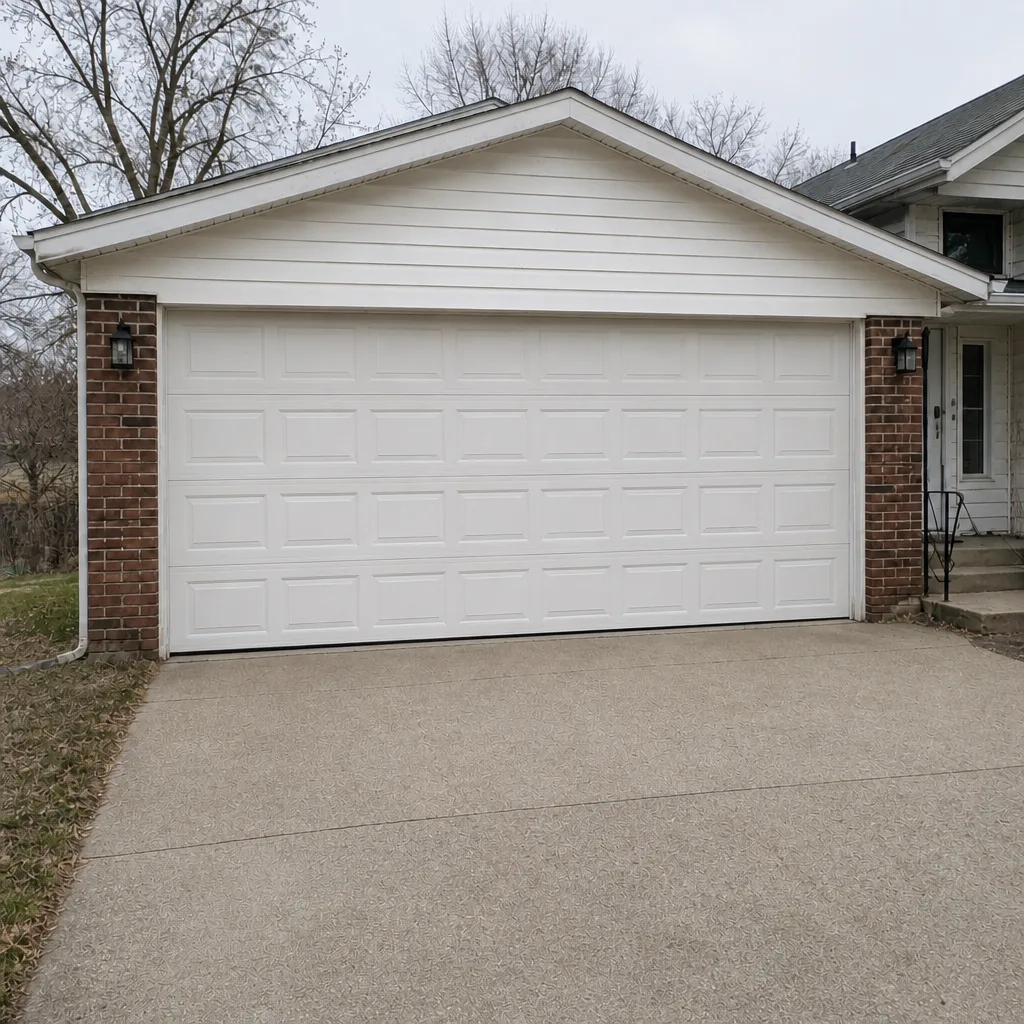 After
When to Call a Professional
The seasonal calendar catches a lot of wear, but a few scenarios need a professional now rather than at the next transition point. Call a technician if the door feels substantially heavier than it used to, if you hear grinding or a sharp snap during operation, if the door is visibly off its track, if the opener runs but the door doesn’t move, or if you see a sudden gap at the bottom seal that wasn’t there a month ago. Those symptoms can trace back to a failing spring, a bad cable, worn rollers, or a failing opener capacitor, and each needs a proper diagnosis rather than a guess. The estimate is free, and the price is set by the written estimate before any work starts. Graystone Garage Door Repair offers free estimates in Kansas City – call (855) 525-9808.
Frequently Asked Questions
Once a year is the baseline for most doors, but the seasonal transitions in this climate make fall and late spring the most useful times to schedule a service visit – right before winter cold stress and right before summer heat. If your door is older, gets heavy use, or has had any repair in the past year, twice a year makes sense. Call (855) 525-9808 to schedule a free estimate.
Torsion springs lose some elasticity in cold weather and steel contracts, so the door genuinely takes more lift force in January than in April. A door that suddenly requires real effort to lift is signaling that the spring needs inspection, and a door that fails to lift at all or makes a sharp bang when opened likely has a broken spring. Call (855) 525-9808 for an exact quote – estimates are free.
Not every homeowner does, but it’s worth asking your city’s building department what the current wind-load requirements are for your area, since the rules vary by jurisdiction and change over time. If you’re weighing a rated door against a brace kit on your existing door, a free estimate with a technician is the fastest way to get a straight recommendation for your specific situation.
Extended heat puts stress on the motor, its cooling system, and its logic board, and many openers are designed to shut down temporarily when they overheat. Frequent stops during hot Kansas City afternoons usually mean the unit needs more airflow or is hitting its limit, not that the door itself is broken. A proper inspection of the motor and drive system rules out anything more serious.
The right seal depends on the shape of your gap. A flat slab with even contact usually takes a standard bottom seal, while an uneven slab, a low corner, or a rough concrete edge may need a bulb seal, brush seal, or adjustable retainer. Matching the seal before winter prevents drafts and moisture problems through the cold months.
We service products from eight of the most widely installed manufacturers, including Wayne Dalton, Craftsman, Raynor, and LiftMaster, along with Chamberlain, Genie, Clopay, and Amarr. That means we diagnose by familiarity with the specific model rather than by trial and error, whether it’s a mechanical door problem or an opener and smart-connectivity issue. Call (855) 525-9808 for an exact quote – estimates are free.
The Bottom Line
Kansas City’s four seasons stress your garage door in four different ways, and a single annual tune-up catches only one of them. The homeowners who avoid expensive repairs treat the seasonal transitions as the maintenance schedule itself: fall for weatherstripping, spring for storm prep, early summer for opener airflow, and winter for spring inspection. Most of the work is noticing, not fixing. The repair itself is what you pay a professional for, and getting it right the first time is what saves money over a decade of four-season wear.
If you’d like a hand with any of the seasonal checks in this guide, or you’ve noticed something that needs attention now, we’re here. Call (855) 525-9808 for a free estimate. We answer 24/7. Fast dispatch from 7am to 7pm, Sunday through Friday. We work on what you already have, whatever brand is on your garage.
Written by the team at Graystone Garage Door Repair, serving Kansas City since 2011.