
Last updated November 14, 2026
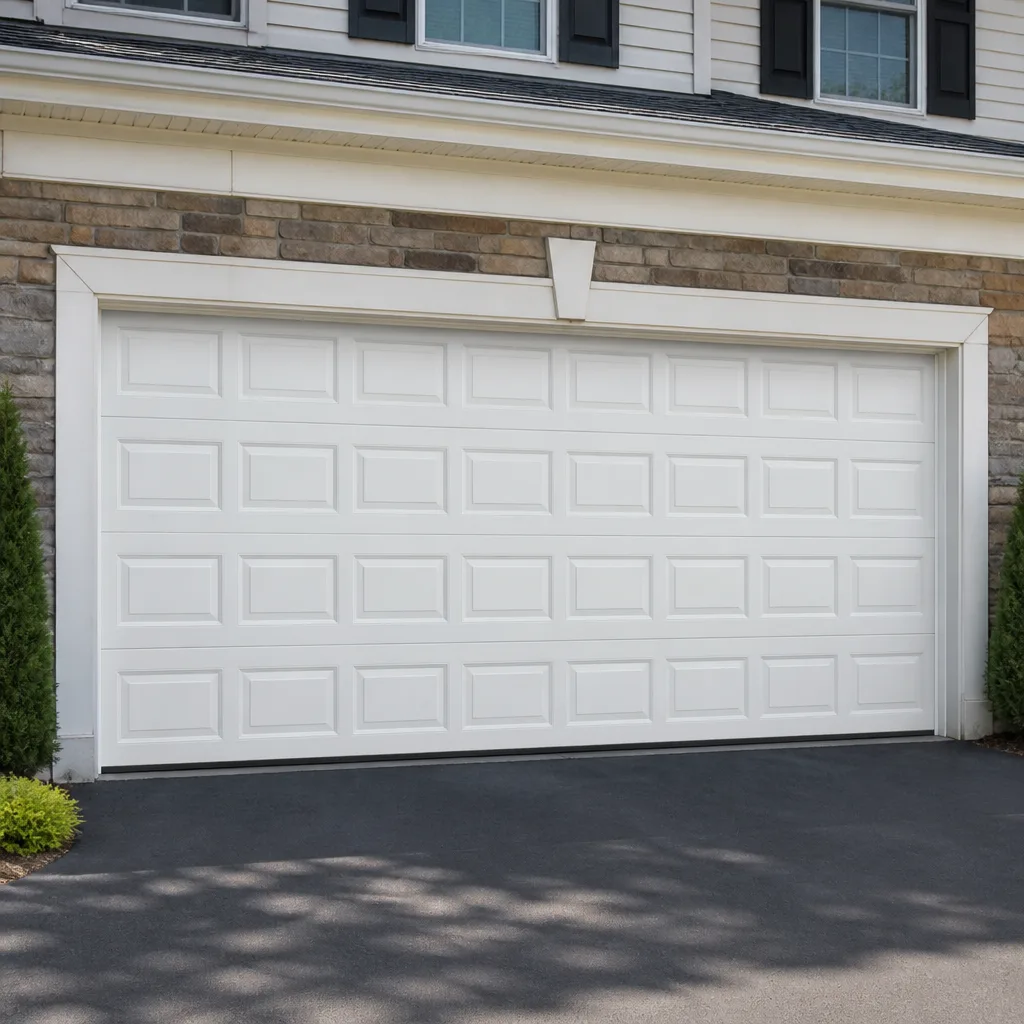 Raised-panel steel
 Carriage house
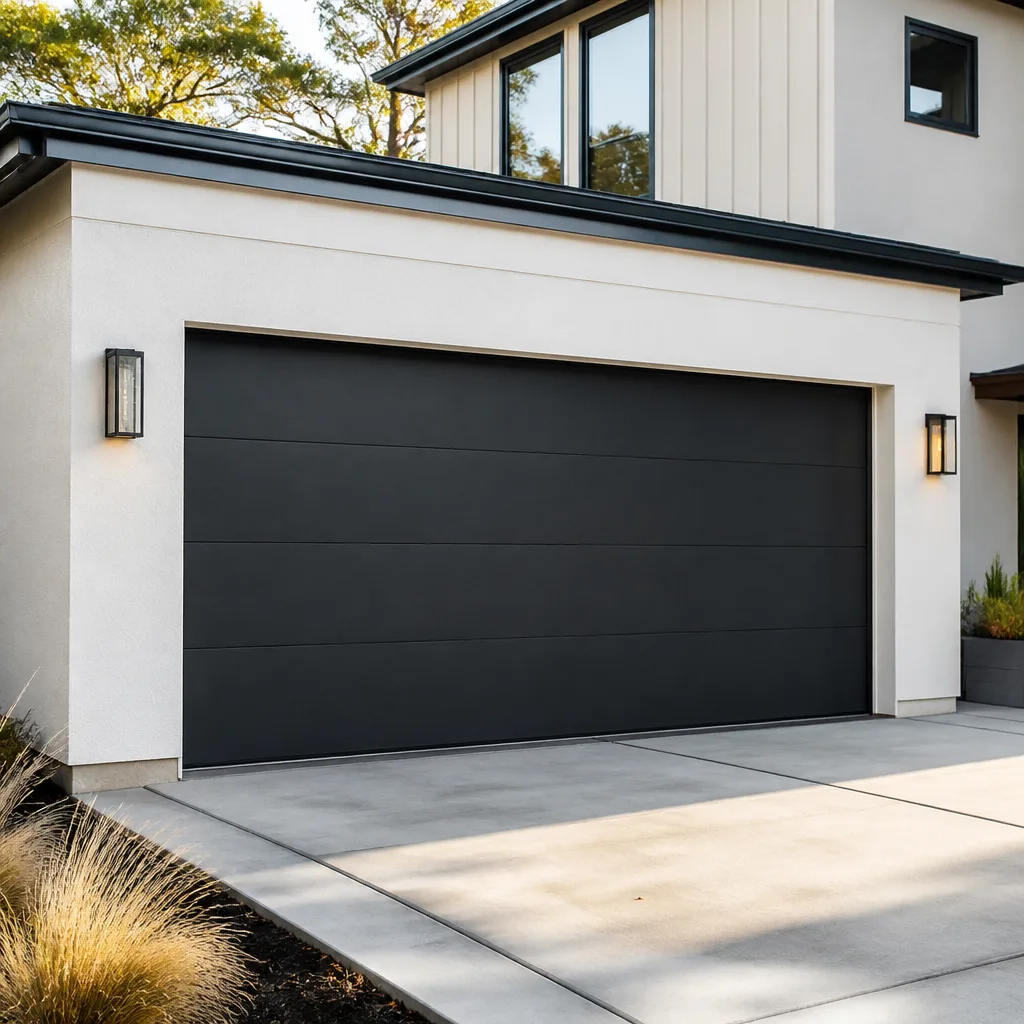 Modern flush
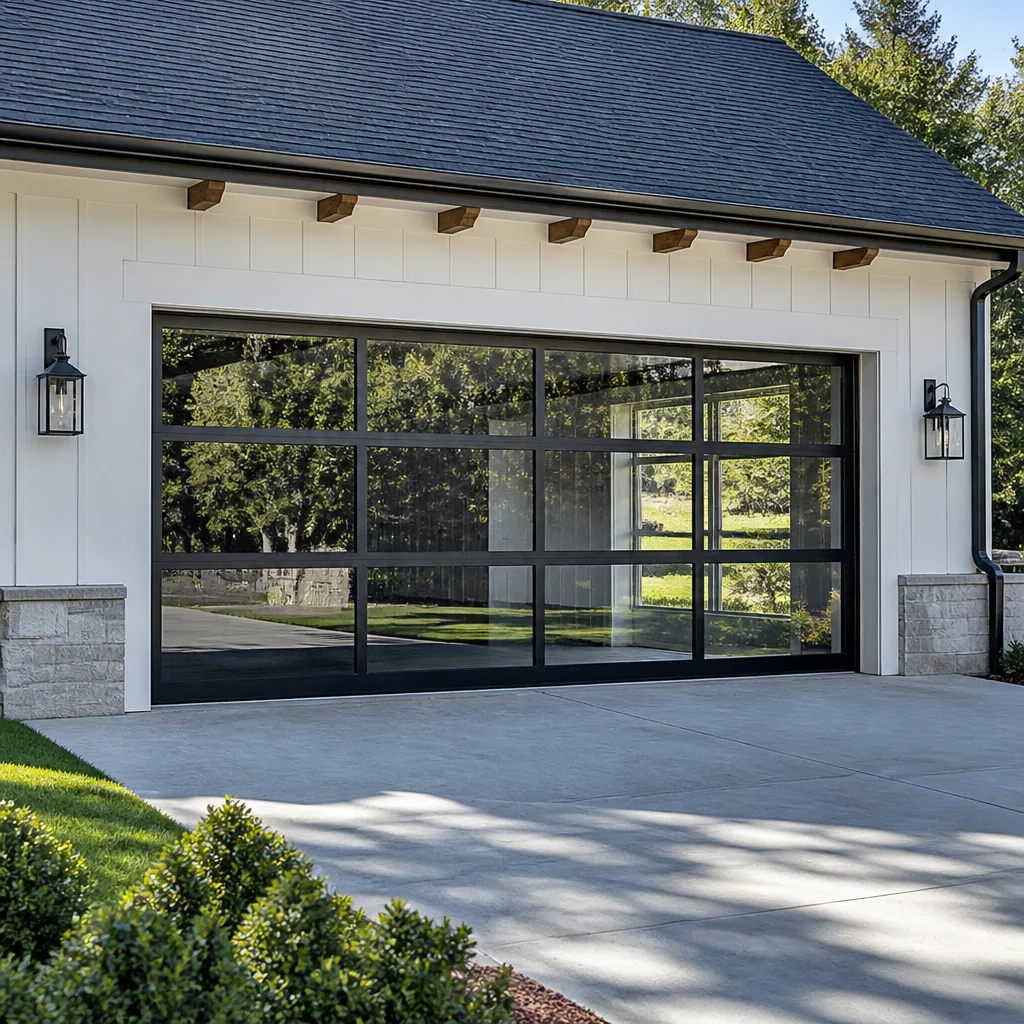 Full-view glass
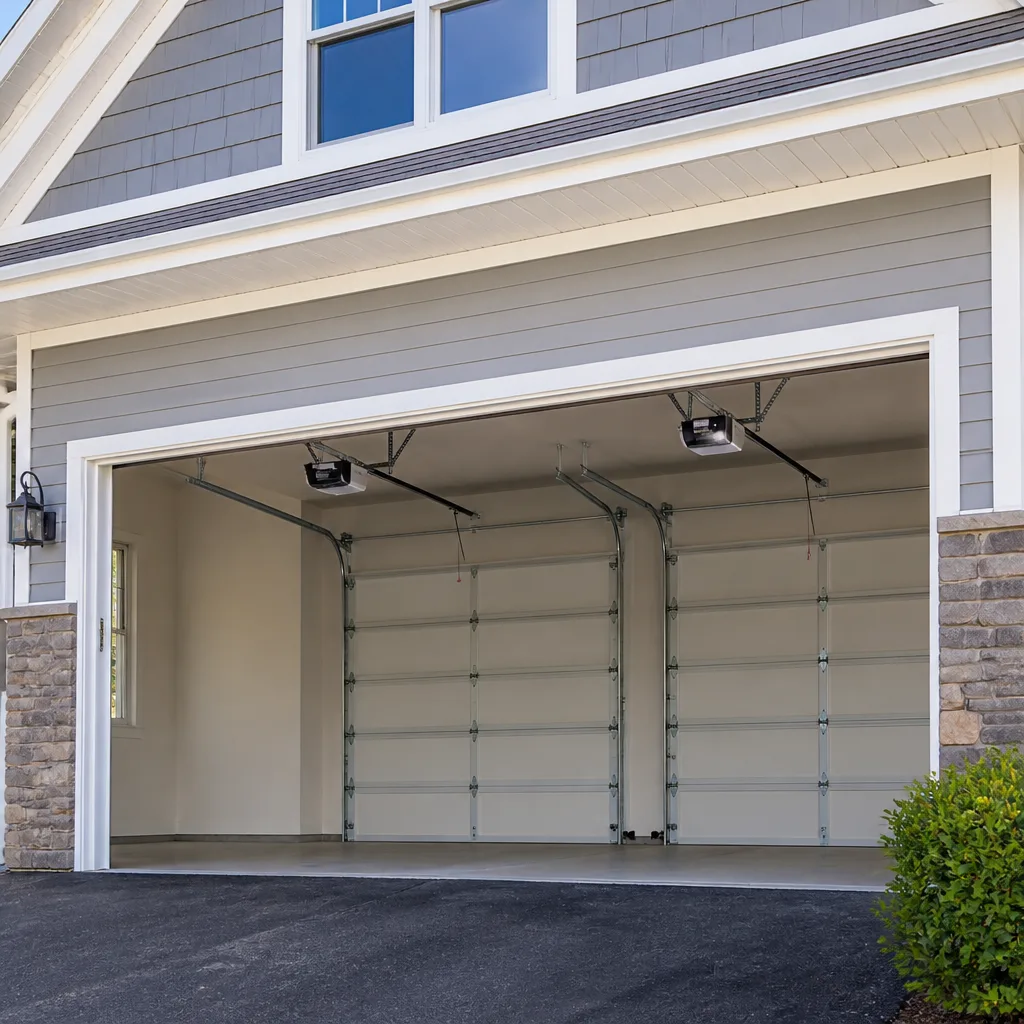 LiftMaster openers
 Chamberlain openers
Full 25-point door and opener safety check with every visit - springs, cables, rollers, tracks, and your LiftMaster or Chamberlain opener included
You get a price before we start. It does not change when the truck arrives.
Get your free estimateDIY vs Professional Garage Door: The Kansas City Homeowner’s Decision Guide
The DIY-versus-professional question for garage doors gets answered badly almost everywhere you look. One camp tells you to never touch the thing, that a garage door is a sealed system and every task is a call to a technician. The other camp posts a cheerful video and implies you can swap a torsion spring in an afternoon. Both are wrong for the same reason: they treat the whole door as one job. It isn’t. A garage door is a collection of tasks with wildly different risk profiles. This guide splits them honestly, into what you can do, what you can do with research, and what you should leave alone. We’ll do it from a Kansas City perspective, because the housing stock here shapes the math.
Styles & brands we work with
- Raised-panel steel
- Carriage house
- Modern flush
- Full-view glass
- LiftMaster openers
- Chamberlain openers
Quick Answer
Most garage door maintenance is homeowner-appropriate: lubricating hinges, adjusting opener limit switches, and replacing weather seal are all safe and doable with basic tools. What’s not appropriate is anything involving torsion springs, cables, or the door’s lifting mechanism, because those components store enough energy to injure you badly if they release while you’re working. The line between the two categories is clear once you know it, and that’s what this Kansas City guide is for.
Table of Contents
- Why the DIY Question Is Really a Risk Question
- The Three Categories: DIY-Safe, DIY-With-Research, and Professional-Only
- The Right Tools for Each Category
- The Kansas City Cost Math: When Paying Is Cheaper Than Doing
- Why Kansas City Housing Stock Changes the Calculation
- Partial DIY: How to Prep the Job and Cut Your Labor Time
- The Opener Layer: Where DIY Goes Wrong in a Different Way
- Common Mistakes to Avoid
- When to Call a Professional
- Frequently Asked Questions
- The Bottom Line
Why the DIY Question Is Really a Risk Question
Skill gets the headlines, but risk decides the answer. You can be genuinely handy and still have no business touching a torsion spring, because the problem isn’t whether you’re capable on a good day. It’s what happens on a bad one.
A torsion spring holds the entire weight of the door in tension. When a technician winds a spring, the stored energy in that steel is substantial, and it doesn’t care how careful you’ve been. It releases when it releases. If you’re under it with hand tools when that happens, the consequences are serious. This isn’t a liability disclaimer buried at the bottom of a page. It’s how the physics works, and it should shape how you sort every task on your door.
The same logic applies to the cables. Those are under tension too, and a cable that comes off its drum can whip with enough force to take a finger. Anyone who tells you these are manageable DIY jobs is either selling something or hasn’t seen what a failed spring can do.
Now the other side. A sticking hinge, a squeaking roller, weather seal that’s cracked and letting Kansas City winter air into the garage: none of these carry stored energy. If you make a mistake, the worst outcome is a hinge you need to redo. That’s a completely different category of problem, and treating it with the same caution as spring work is what makes a lot of advice useless.
Here’s the sorting principle. If the component can hurt you by releasing energy, it’s professional-only. If a mistake just means redoing the work, it’s fair game for a careful homeowner. Everything in this guide falls into one of those two buckets, or the middle ground where an attentive person can work with proper research. Graystone Garage Door Repair works on what you already have, whatever brand it happens to be, and in our experience the honest answer isn’t “call us for everything” or “do it all yourself.” It’s knowing the line and staying on the right side of it.
The Three Categories: DIY-Safe, DIY-With-Research, and Professional-Only
This is the breakdown most guides skip. Every task on your garage door fits into one of three buckets. We’ve kept the boundaries tight and explicit, because vague advice (“use your judgment”) is what gets people hurt.
Category 1: DIY-Safe
Do these yourself. They take ordinary tools, they carry no stored-energy risk, and a mistake costs you a redo, nothing more.
- Lubricating hinges, rollers, and the track. A garage-door-specific spray lubricant on the hinge pivot points and roller bearings every few months. Avoid greasing the tracks themselves; keep those clean and dry instead.
- Replacing the weather seal along the bottom. The rubber seal at the door’s base wears out and can be slid out and replaced with a new strip of the same profile. Measure the width first.
- Cleaning and wiping down the tracks. Dirt and grit accelerate wear. A dry cloth and a clean of the track surface keeps things running smoothly. Don’t bend or force the track by leaning on it.
- Tightening loose hinge and bracket bolts. Vibration looses them. A quick check with a socket or wrench now and then stops a rattle before it becomes a bigger problem.
- Testing the door balance and safety reverse. Disconnect the opener and lift the door by hand halfway. If it holds, it’s balanced. If it falls or rises on its own, that tells you a spring or cable issue needs a pro. Same with testing the opener’s safety reverse with a roll of paper towel in the door’s path; that’s a five-minute check.
- Painting or refinishing a steel door. Surface prep and a fresh coat extend the life of any steel door, whether it’s a Clopay or an Amarr. This one’s just cosmetic and safe.
Category 2: DIY-With-Research
Attentive homeowners can handle these with proper research. The risk isn’t stored energy; it’s making a mechanical adjustment that requires an understanding of how the system works, so you don’t create a worse problem. Do the reading first, and don’t guess.
- Adjusting the opener’s travel limits. If the door doesn’t close flush or reverses too early, the limit settings need tuning. This is a small adjustment screw on most openers, but the wrong tweak can leave the door misaligned. Get the manual for your specific opener.
- Adjusting the opener’s force settings. Same idea: useful when the door binds, dangerous to overdo. Set it too high and the opener will force the door through an obstruction rather than reverse.
- Replacing a wall-mounted opener button or remote battery. Straightforward wiring on the button, easy pairing on the remote. The catch is matching the right transmitter type.
- Adjusting the track alignment slightly. A gentle correction if a track has been nudged. A mallet and a careful eye. Beyond a small adjustment, stop and call someone.
Category 3: Professional-Only
These carry stored energy or serious mechanical danger. Don’t do them yourself, even if you’ve watched a video. The energy in these components doesn’t negotiate.
- Replacing torsion springs. The single most dangerous garage door job. Spring winding requires the right winding bars and knowledge of the exact turn count.
- Replacing extension springs. Also under tension, also dangerous, especially in older setups without safety cables.
- Replacing or adjusting cables. Cables hold the door in balance. A slip can whip or drop the door.
- Replacing the door’s drums or the bearing plates the springs ride on.
- Replacing a door panel with the door under tension. The tracks can shift and the door can come down.
- Full track replacement or realignment beyond a small nudge.
- Replacing the opener itself. The mounting, wiring, and safety calibration all matter, and getting them wrong is a call for a redo.
If you’re sorting your own situation, the question to ask is simple: “Can this part hurt me if I get it wrong?” If yes, it belongs in Category 3. For anything in Kansas City involving springs, cables, or the lifting system, garage door repair is a job for someone who does it every week. That’s the line.
The Right Tools for Each Category
Tools tell you which category you’re in as much as anything else. Homeowner-appropriate tasks take what’s already in your toolbox. Professional-only jobs take equipment you don’t own and shouldn’t buy for a single task.
What homeowner tasks require
- A socket set or adjustable wrench for hinge and bracket bolts
- A garage-door-specific spray lubricant (not general-purpose oil)
- A roll of paper towels for testing your safety reverse
- A soft brush or dry cloth for the tracks
- A tape measure for ordering a replacement weather seal of the right width
That’s it. If a task needs more than this list, that’s a signal.
What professional jobs require
- Winding bars. For torsion spring work, these are specific to the task; using screwdrivers or pliers is how people get hurt. The bars let a technician control the spring’s tension as it’s released and reset.
- A calibrated torque understanding of the springs. Turn counts and wire gauge matter; even professional technicians keep reference charts.
- Cable puller and locking pliers for holding cables.
- A ladder rated for the height of your ceiling and the correct access around the opener rails.
- Door-specific alignment tools for track and panel work.
None of that belongs in a homeowner’s toolbox, and none of it should be a one-time purchase. This is the practical version of the risk argument: the gear that makes these jobs safe is gear that exists because the jobs are unsafe without it.
The Kansas City Cost Math: When Paying Is Cheaper Than Doing
The instinct is that DIY saves money. Sometimes it does. But the math gets interesting when you count what your own time is worth and account for the error risk, especially on the tasks in the middle category.
Start with the obvious. For anything in Category 3, the calculation is settled: hiring a professional is cheaper than an injury, full stop. A spring or cable job is a per-job estimate from a trained technician, and the written estimate you get sets the price. Don’t shop on the assumption that a cheap tool set from a big-box store closes the gap. It doesn’t.
The interesting math is the middle category. Say you’re weighing an opener limit adjustment against calling a technician. On the one hand, the task is small and you might finish it in twenty minutes. On the other, if you get the travel limit wrong and the door doesn’t close flush, you’ve created a gap or a reversal problem, and now you’re calling someone anyway, plus a service trip. When you count the risk of a redo, the case for just paying someone for a small adjustment gets stronger than it first looks.
The same holds for weather seal replacement. If you measure right and order the right profile, you save money. If you don’t, you buy the wrong strip, make a second run to the hardware store, and burn an afternoon. Compare that to a technician who’s done hundreds of them. For most homeowners, the DIY call on weather seal is still a reasonable one, but be honest about your own track record with home projects.
A few Kansas City-specific factors:
- Garage door work is quoted per job, not per hour, so a straightforward task done by a technician is priced as a single service call. That can make small jobs surprisingly cost-effective when you factor in your own time and the risk of a do-over.
- The further out you live, the less the time math works in DIY’s favor. A homeowner in Johnson County or out toward Olathe spends time driving to a hardware store when a professional comes to them.
- Repeat visits add up. Every return trip to the hardware store for the right part is a hidden cost the first calculation missed. A technician arrives with the parts.
Free estimates are the cleanest way to settle the math for your own door. Call garage door opener repair when the opener is the problem, or ask for a general estimate if you’re not sure. The price is agreed before any work starts.
Why Kansas City Housing Stock Changes the Calculation
Kansas City isn’t one uniform market for garage doors. The age and construction of the housing stock shifts the DIY-versus-professional balance in ways that general national guides miss entirely.
Attached garages and finished ceilings
A lot of Kansas City homes, especially in the older neighborhoods and inner-ring suburbs, have attached garages with finished ceilings directly above the opener. That changes both the difficulty and the mess. Replacing an opener means working around drywall and above-head clearance in ways a detached garage doesn’t demand. A homeowner with a finished ceiling under the opener motors is working in tighter, more awkward space. For those homes, the time and effort premium on DIY opener work is real. A professional who deals with these setups routinely is faster and less likely to cut into the wrong place.
Older torsion spring configurations
Spring systems have changed over the decades. A modern install might be a straightforward setup, but older Kansas City homes often have torsion configurations that are more complex than current builds. Some have mismatched spring sizes from prior repairs, or aged end plates. Those older setups make an already dangerous job more complex because there’s less guarantee the parts match the standard. That’s not a reason to assume your older door is fine to work on yourself; it’s a reason to hand it to a technician who knows what to look for.
Seasonal temperature swings
Kansas City gets hard seasonal shifts. Cold snaps and hot spells put real stress on springs and cables; older springs often fail when the temperature drops. A stuck or broken spring after a cold snap is one of the most common repair calls in this climate, and it’s exactly the job that belongs in Category 3. Don’t treat a failed spring as a maintenance task you can learn from a video. It’s a professional repair, and it’s one of the reasons we see a spike in spring service through the colder months.
Brand matters here too, though less than the setup. A door is a door whether it’s a Wayne Dalton or an Amarr, but the specific configuration underneath is what changes the difficulty. When we look at a Kansas City door, we’re reading the age and the system before the label.
Partial DIY: How to Prep the Job and Cut Your Labor Time
The smartest approach isn’t all-DIY or all-professional. It’s the hybrid: you handle the prep and the low-risk tasks, and you bring in a professional for the parts that need real equipment. That keeps your costs down without putting you in front of a torsion spring.
Here’s how a homeowner can prep a job to reduce the technician’s time on site:
- Clear the garage and the path to the door. Move cars, bikes, and anything blocking access to the door’s tracks, opener, and ceiling. Time a technician spends moving things is time you’re paying for.
- Write down the symptoms before the visit. Note the brand on the door or opener, any model number on the opener, what the door does (won’t close flush, reverses too soon, makes a grinding noise), and when the problem started. Good notes turn a diagnostic visit into a direct fix, which is diagnosed correctly the first time rather than a return trip.
- Handle the DIY-safe tasks yourself, before or after. Keep the hinges lubricated and the seal replaced. That way the service visit is spent on the actual problem, not on general maintenance.
- Have the manual for your opener available. If you have it, the technician can match settings quickly. If not, they’ll infer it from the unit, but having it helps.
- Test the balance yourself and report it. Disconnect the opener, lift the door manually, and note whether it holds halfway. That single data point tells a technician a lot before they arrive.
- Plan around the seasonal rush. Spring failures cluster after cold snaps, so mid-winter is a busy time. If you notice a binding door or a strange sound before the cold sets in, get the non-urgent maintenance done and watch for early signs.
That prep alone can turn a job into fewer billable hours for the same estimate, and it puts a technician’s expertise where it actually matters. For anything that involves the opener or the lifting system during this prep, the right call is to have it done by someone who does it every week. That’s the whole point of the hybrid.
The Opener Layer: Where DIY Goes Wrong in a Different Way
The opener is the other half of your garage door, and DIY mistakes here look different. A torsion spring failure is a physical danger. An opener misadjustment is usually a slow, cumulative strain on the door and the motor, plus a safety setting that no longer does its job. That’s why we treat opener repair as its own specialty rather than a footnote.
The most common opener issues and where they land on our three-category scale:
- Remote or wall button not working. Often a simple battery or pairing issue, so Category 2 is fair for the cautious homeowner. But if the wall button works and the remote doesn’t, the issue may be in the receiver board, which is Category 3.
- Door reverses immediately after closing. That’s usually a limit or force setting, Category 2, but the door may also be binding, which is a mechanical problem, so test the door’s balance by hand first.
- Grinding or squealing noise. Sometimes a gear or sprocket issue inside the opener and in that case it’s Category 3 for anyone without the right tools.
- Door only opens a few inches. Often a travel limit, sometimes a bad sensor or a stripped gear. That one needs troubleshooting before deciding.
What a trained technician has is experience with the full range of drive types and smart-connectivity systems across the leading opener brands: LiftMaster, Chamberlain, Genie, and the rest. The brand and the model determine which failure is likely, and that allows for a correct guess instead of a step-by-step diagnostic. When your opener is the problem, that’s what you want.
On a Kansas City door with a finished ceiling below, a trained technician can also spot the safety reverse system’s health at a glance and check the mounting hardware. That’s not a diy job. The written estimate you get before any work’s begun is what matters.
Common Mistakes to Avoid
- Trying a torsion spring yourself. This is the one that ends badly. The stored energy in a wound spring is not something to learn on; even experienced homeowners call in the trained professional for this.
- Over-tightening the opener’s force setting. A door that’s binding needs a diagnosis, not a force crank. Overriding the safety force means the opener pushes through a child or a pet in the door’s path.
- Lubricating the tracks. It’s the one place on a door you don’t want oil. The rollers need to slide against the track; grease creates a sticky mess and makes the door harder to operate.
- Assuming an older Kansas City door is the same as a new one. Older homes often have torsion configurations from decades past, with mismatched or aged parts. What works on a modern build may not be safe on yours.
- Buying the wrong weather seal. The strips are not one-size. Measure the door’s width and the existing seal’s profile before you order, or you’ll be making a second trip to the hardware store.
- Ignoring a binding door until it fails. The seasonal cold in Kansas City is hard on springs and cables. A door that’s been sluggish all autumn is telling you something, and dealing with it before the freeze is easier than a mid-winter repair.
- Looking up a brand-specific fix and assuming it applies. Whether it’s a Clopay panel, a Wayne Dalton track, or an Amarr install, the setup under the skin is what determines the job. The label is not the whole picture.
When to Call a Professional
Call for anything that involves stored energy or the door’s lifting system: torsion springs, cables, drums, or a track that’s shifted enough to change the door’s travel. Call if the door is unbalanced and won’t hold halfway, if it binds or reverses unexpectedly, or if you’re not sure what the problem is. Call when you’re replacing the opener rather than adjusting a setting on it. And call if you’ve started a DIY task and the situation is worse than you thought; the honest move is to stop and have someone look. Graystone Garage Door Repair offers free estimates in Kansas City, and we’d rather help you sort it out than leave you working on something that can hurt you. Call (855) 525-9808. We answer 24/7. Fast dispatch from 7am to 7pm, Sunday through Friday.
Frequently Asked Questions
It depends entirely on the task. Maintenance like lubricating hinges, replacing weather seal, and testing the safety reverse is worth doing yourself and costs almost nothing. Anything involving the springs, cables, or opener mechanics is usually worth paying a technician, because the error risk outweighs any labor saving. Call (855) 525-9808 for a free estimate and we’ll tell you straight which category your job falls into.
No, and this is the one most important thing in this guide. A torsion spring holds the full weight of the door in tension, and releasing it improperly can cause serious injury. That’s not a liability warning; it’s the physics of the part. Any spring or cable replacement should be done by a trained professional with the correct winding bars and knowledge of the turn count for your setup.
Both store energy, but the torsion spring is wound in a tight coil along a bar above the door, so a release sends the stored force outward and the winding process puts you right next to it. Extension springs run along the door’s sides and are dangerous too, though some older setups lack safety cables, which makes a failure worse. Neither one belongs in a homeowner’s DIY list, however confident you are.
If the issue is a travel limit, force setting, or a remote that needs pairing, a careful homeowner can often handle it with the manual. If the opener is noisy, grinds, only opens a few inches, or the door binds during travel, that’s a mechanical issue worth a professional look. When the opener’s problem, garage door opener repair is a job we do across LiftMaster, Chamberlain, Genie, and others.
Yes. Springs and cables are under steady tension, and rapid temperature swings put extra stress on aged steel, so failures are more common after a hard cold spell. If your door has been sluggish or noisy through the fall, having it looked at before winter is usually easier than waiting for a mid-season break. Call (855) 525-9808 and we’ll get eyes on it.
It helps. Clear the garage, write down the brand and model of the door and opener, note the symptoms, and keep the opener manual on hand if you have it. That turns a diagnostic visit into a direct fix, which is good for everyone. Estimates are free, so call Kansas City at (855) 525-9808 if you’re unsure which repair is needed.
The Bottom Line
The DIY question isn’t about whether you’re handy. It’s about whether the task carries stored energy. Lubricate the hinges, replace the weather seal, adjust a limit switch, and test the safety reverse. Those tasks are yours if you want them, and you’ll save money doing them. Leave the springs, cables, and opener replacement to a trained professional, because the physics doesn’t care how careful you are. In Kansas City, the seasonal swings and the age of the housing stock make that line even sharper, especially in older homes with torsion setups that predate modern builds. Solid work, no surprises.
Not sure which side of the line your door is on? Call Graystone Garage Door Repair at (855) 525-9808 for a free estimate. We work on what you already have, whatever the brand. Garage doors are all we do. We answer 24/7, and fast dispatch runs from 7am to 7pm, Sunday through Friday. The written estimate sets the price, and it’s agreed before any work starts.
Written by the team at Graystone Garage Door Repair, serving Kansas City since 2011.
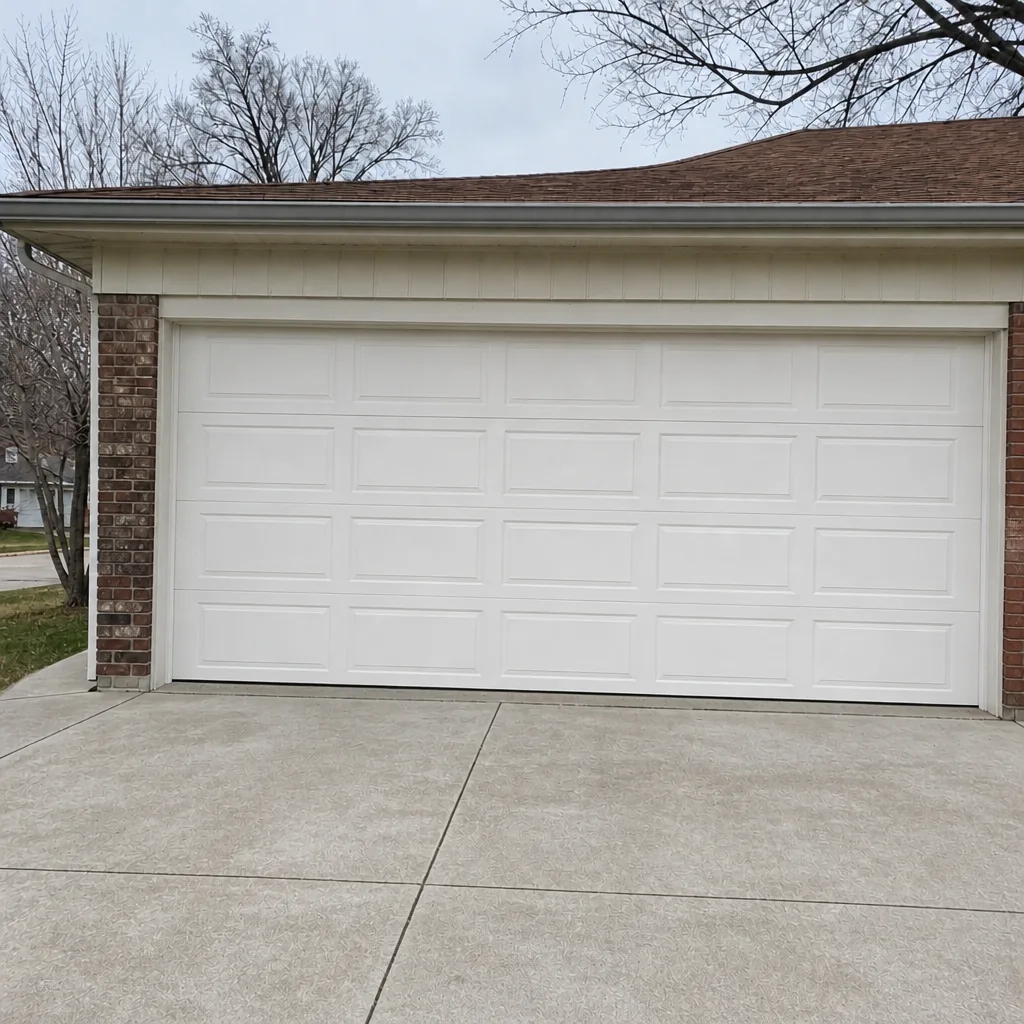
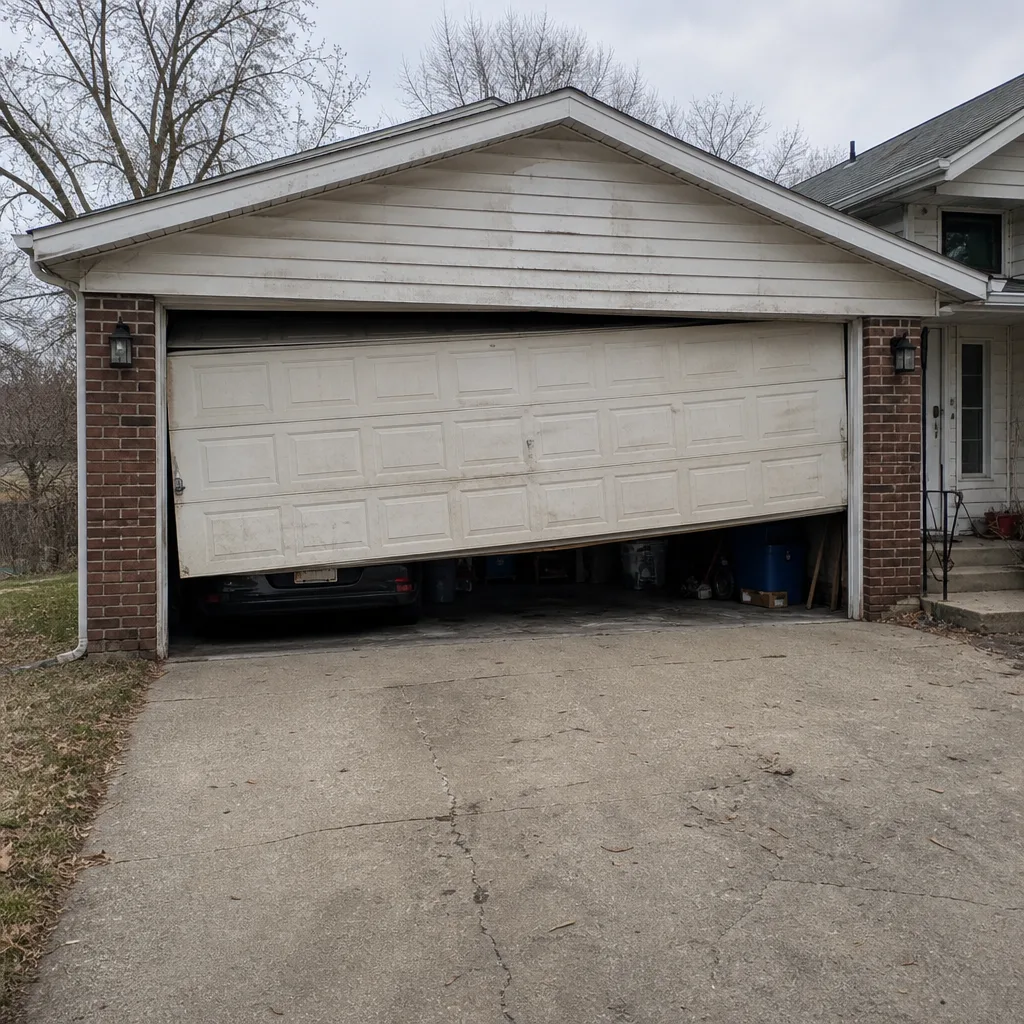
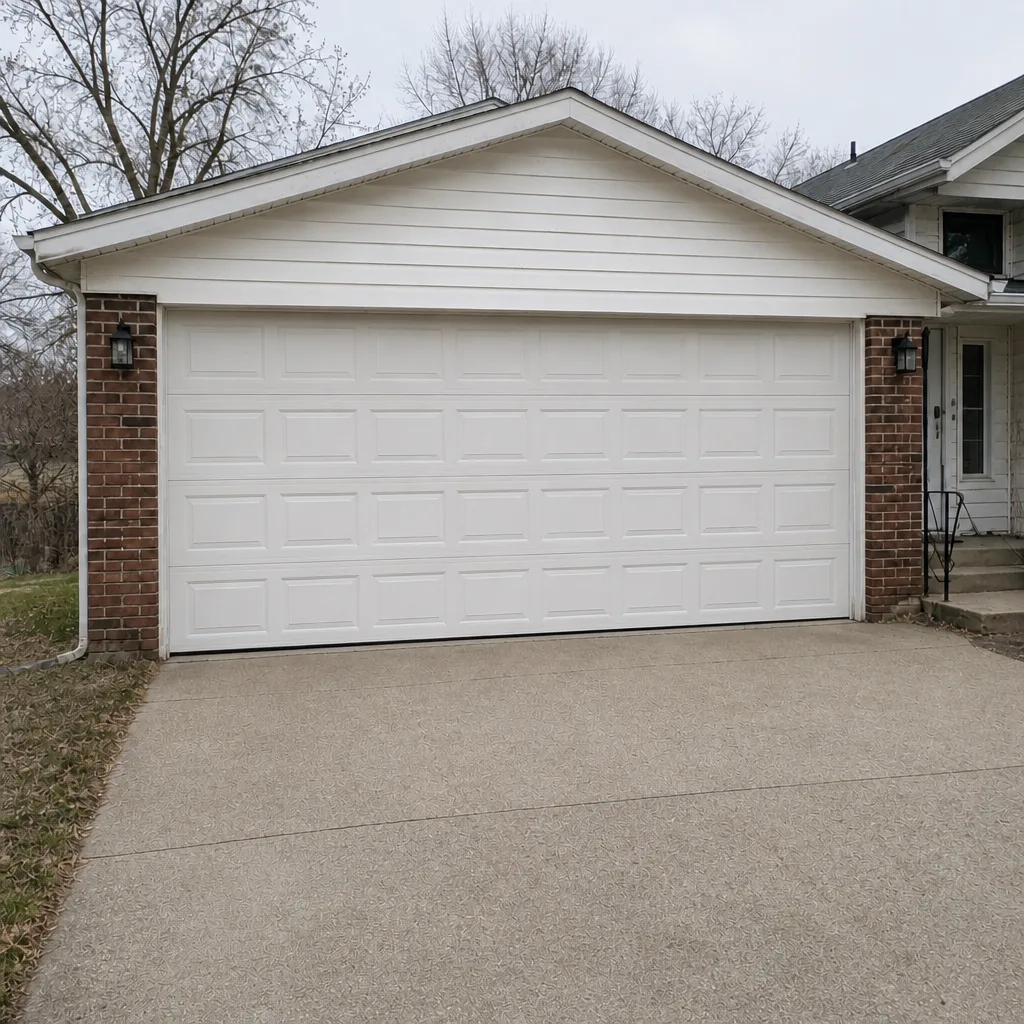
See the difference
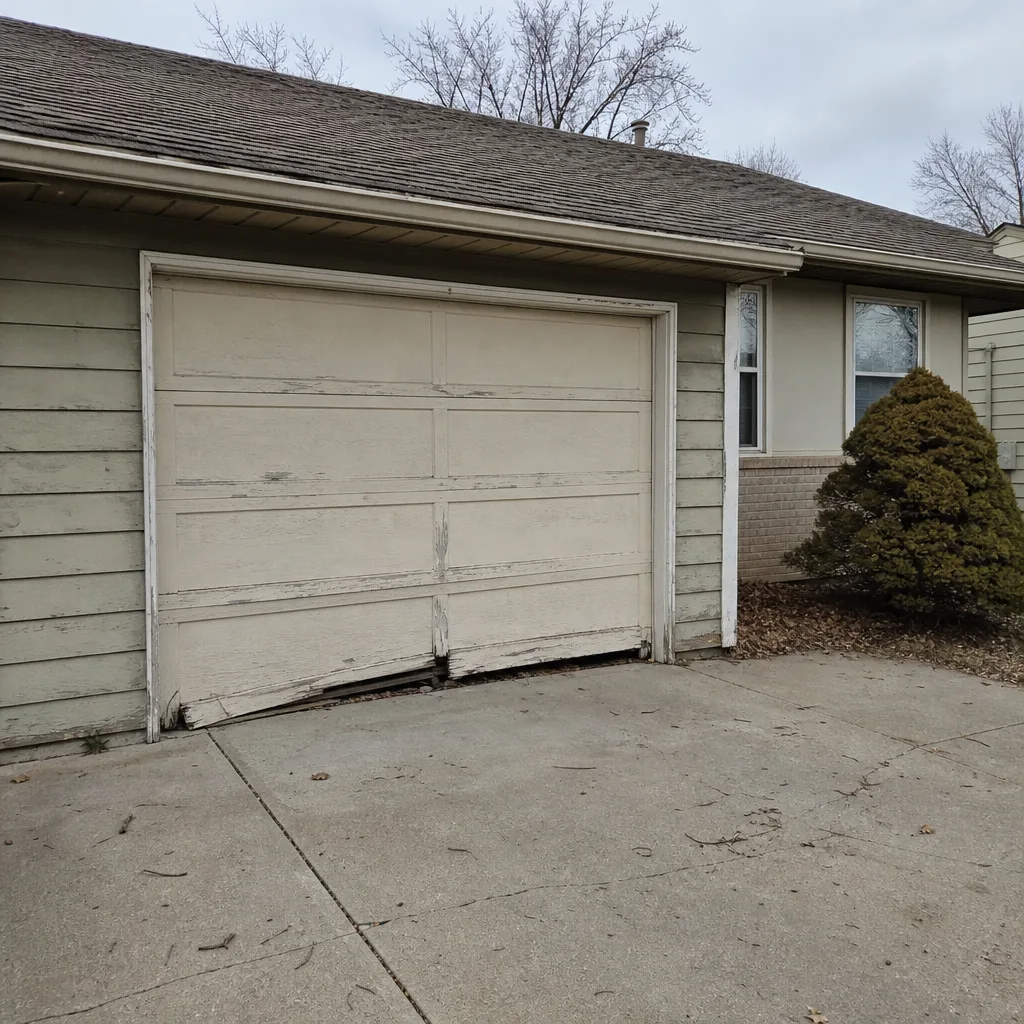 Before
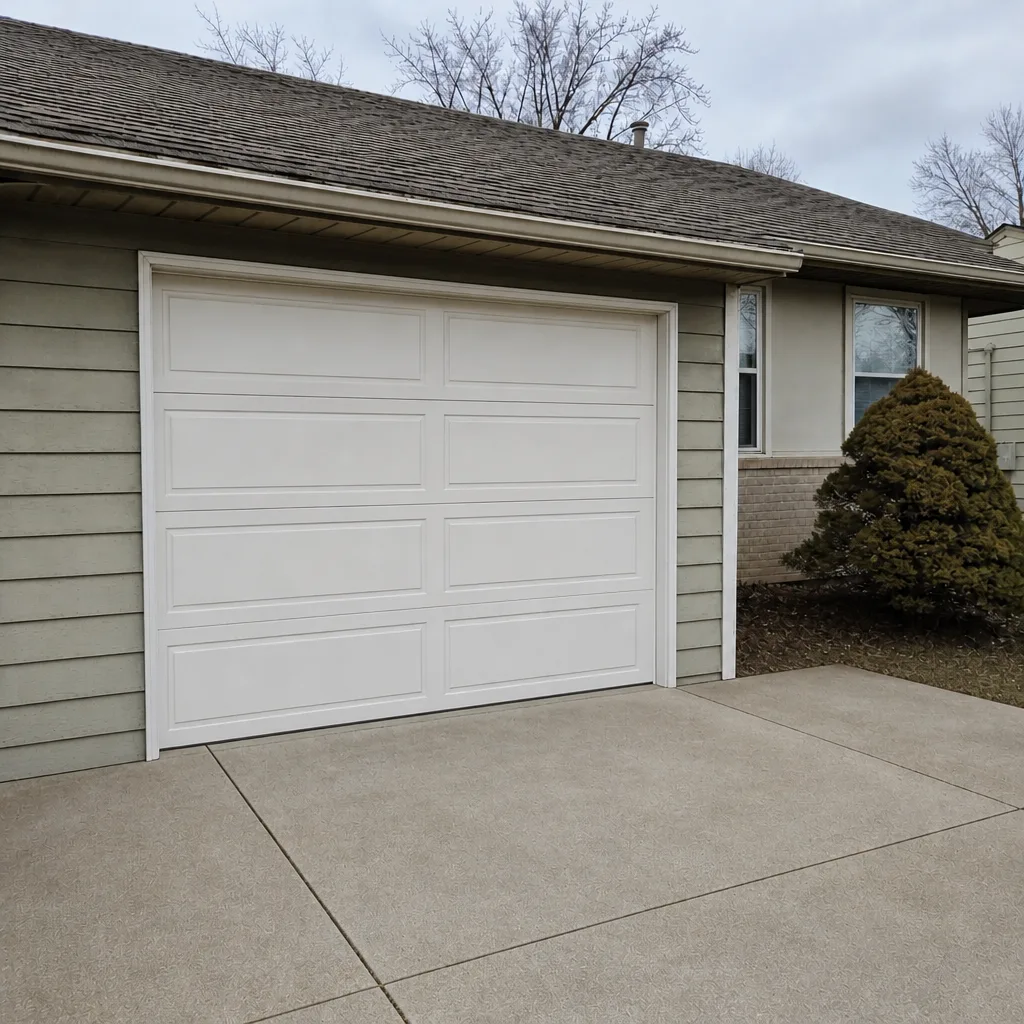 After
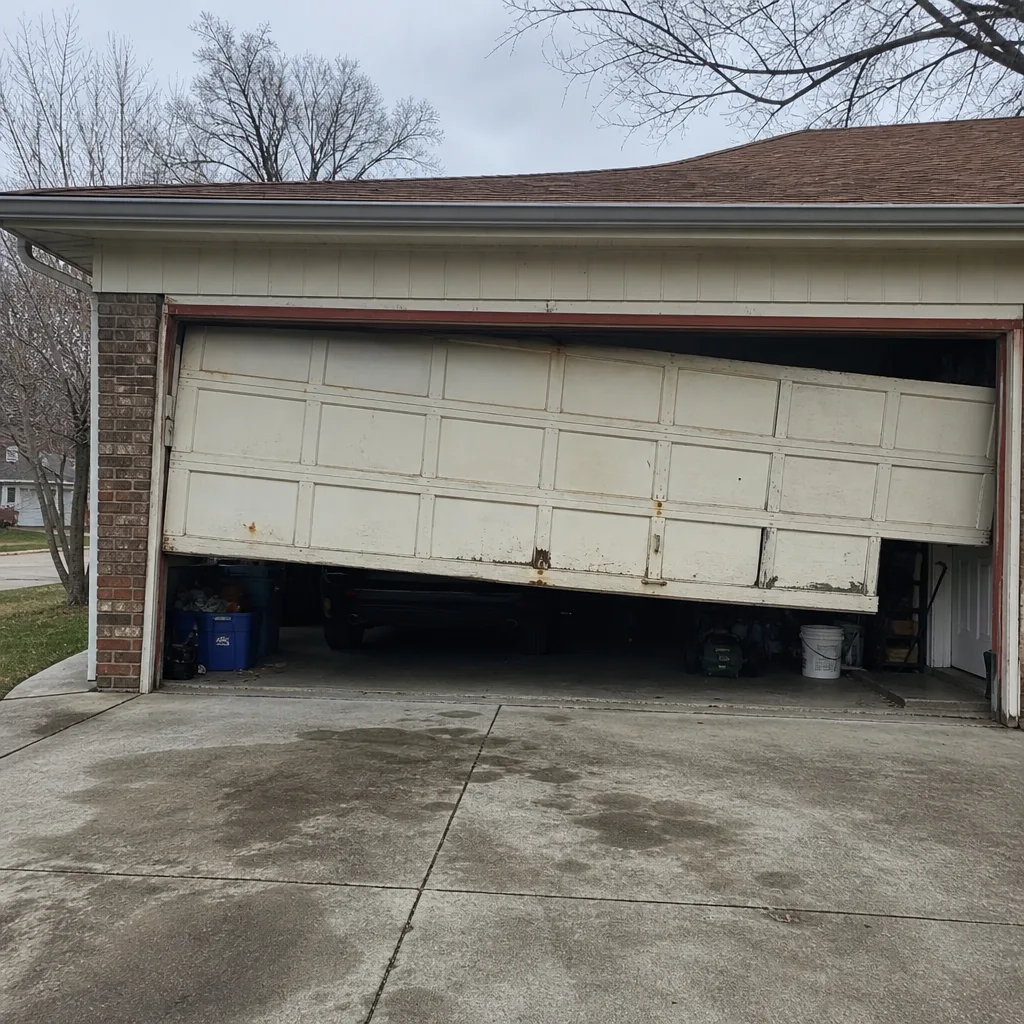 Before
 After
 Before
 After