
Last updated November 14, 2026
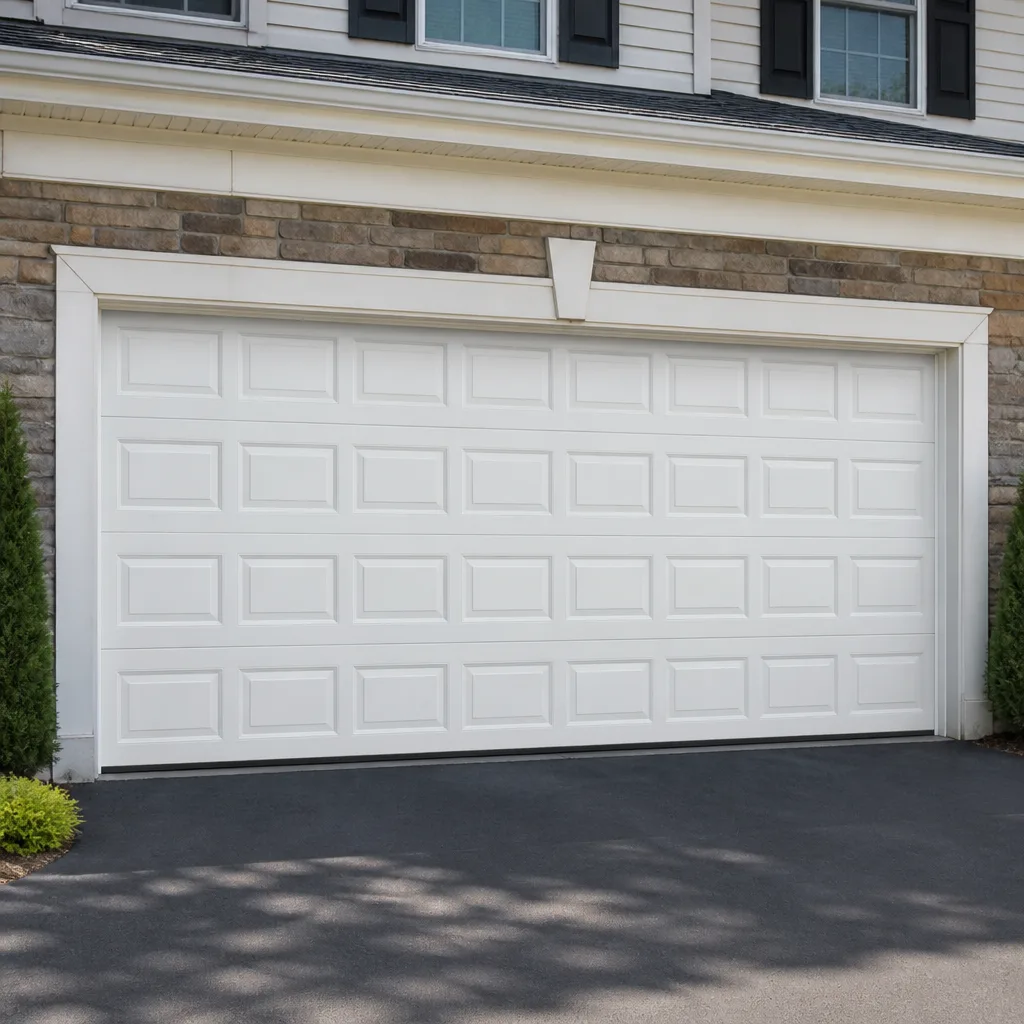 Raised-panel steel
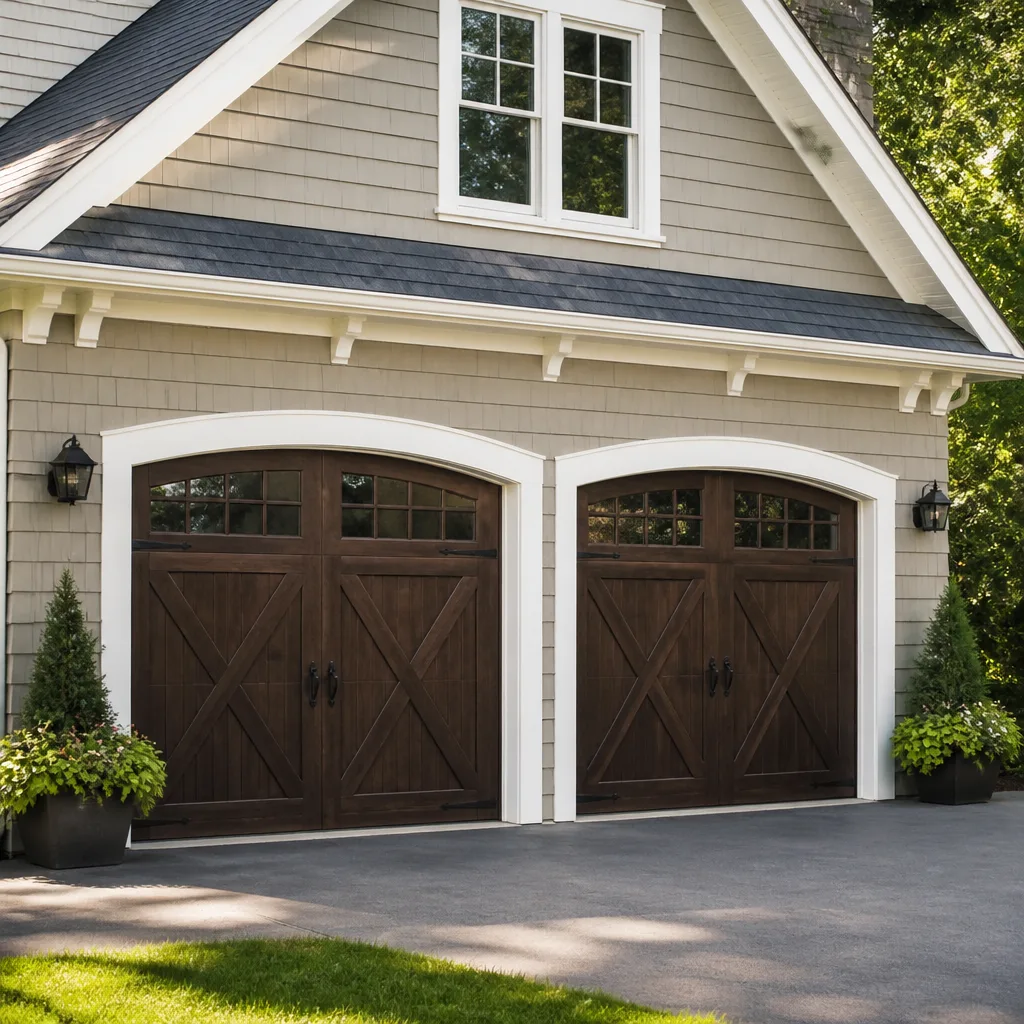 Carriage house
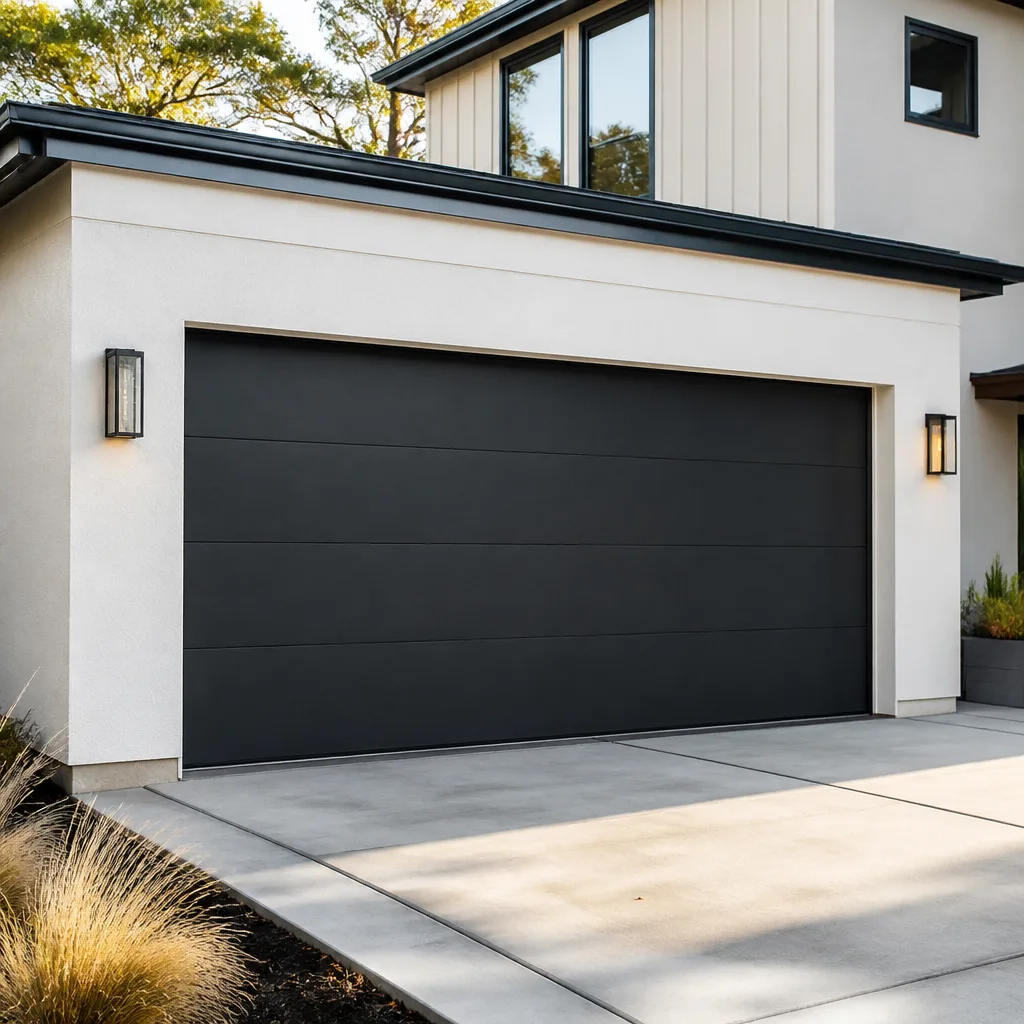 Modern flush
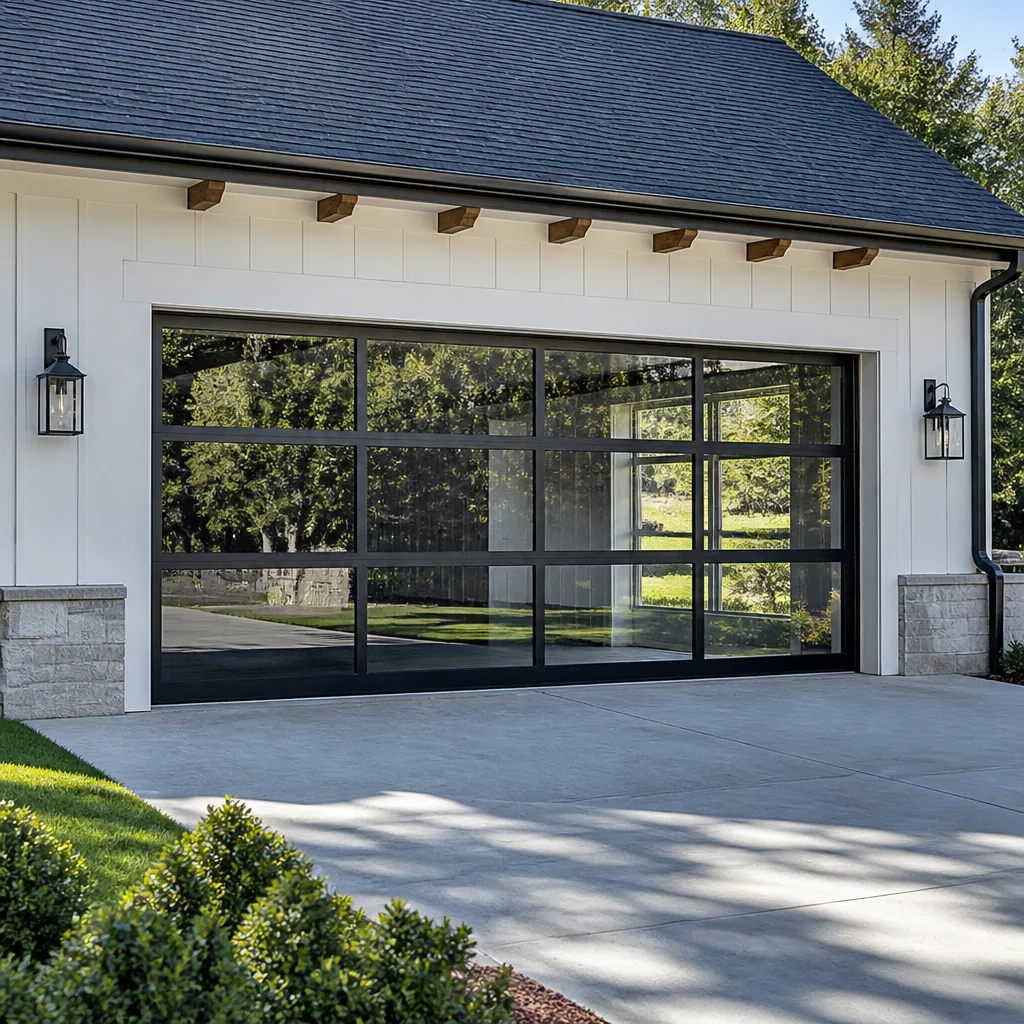 Full-view glass
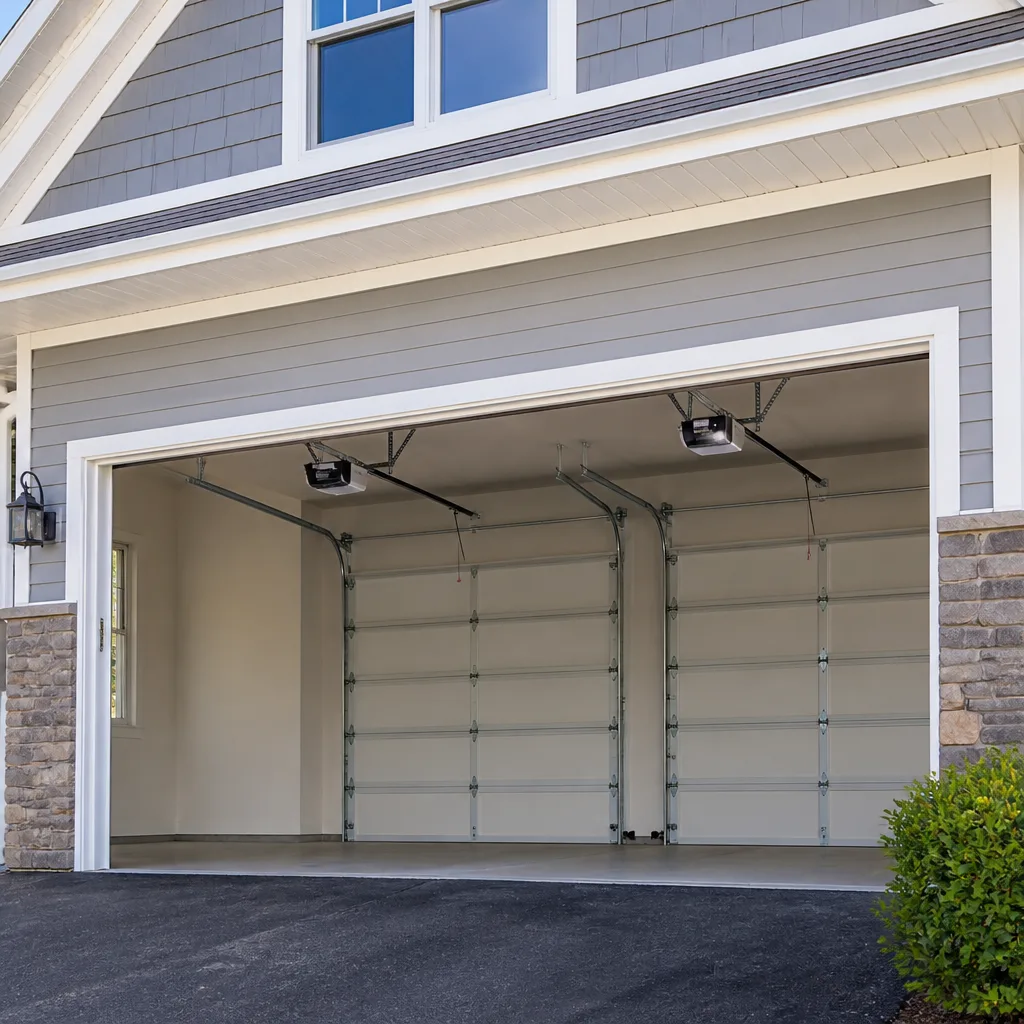 LiftMaster openers
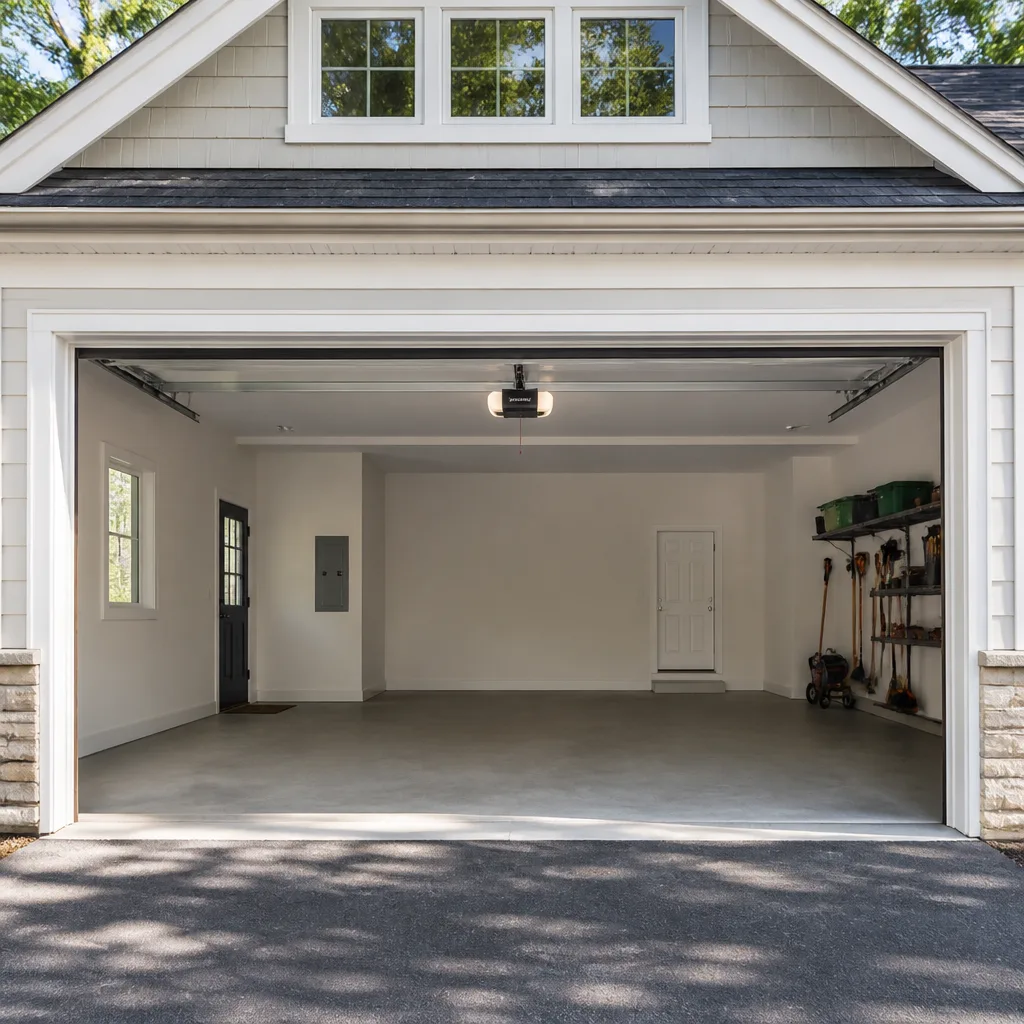 Chamberlain openers
Full 25-point door and opener safety check with every visit - springs, cables, rollers, tracks, and your LiftMaster or Chamberlain opener included
You get a price before we start. It does not change when the truck arrives.
Get your free estimateChoosing the Right Garage Door Brand: A Buyer’s Guide for Kansas City
Most buyer’s guides hand you a ranked list of garage door brands as if a door were a toaster you plug in anywhere. It isn’t. The best brand for a low-clearance garage on a ranch home in Lenexa is not the best brand for a new two-story build in Olathe, and it may not be the best brand for your garage either. A door is a site-specific installation: the headroom, the spring system, the wind exposure, the opener you already own, and the parts network behind the label all decide whether a brand serves you well. This guide explains how to weigh those factors in Kansas City.
Quick Answer
There’s no single best garage door brand for Kansas City. The right pick for your home is the brand that balances three things: a material suited to our climate swings, a wind-load rating matched to your exposure, and confirmed local parts support so a repair doesn’t stall waiting on a shipment. A brand-neutral technician can tell you which of those fit your garage; a single-brand dealer cannot.
Styles & brands we work with
- Raised-panel steel
- Carriage house
- Modern flush
- Full-view glass
- LiftMaster openers
- Chamberlain openers
Table of Contents
- Why ranked brand lists let Kansas City homeowners down
- How the common brands compare on repairability in Kansas City
- Matching door material to Kansas City’s climate
- What wind load rating means in a tornado-adjacent metro
- The parts and service ecosystem question
- Why your neighbor’s recommendation may not fit your garage
- Installation factors that override brand preference
- What repairability costs you over the life of the door
Why ranked brand lists let Kansas City homeowners down
A ranked list answers a question nobody in Kansas City actually asks. You don’t need “the best brand” in the abstract. You need the brand that will still have parts on a shelf when a torsion spring snaps or a bottom section takes a hit. And you need its material spec to hold up through a climate that swings from humid summer heat to hard freezes across a single season.
Here’s the uncomfortable truth about those lists: they’re usually written by dealers, and dealers rank the lines they carry. That’s not a conspiracy; it’s just how the page gets paid for. What it means for you is that a list of five brands can quietly leave out the one whose parts network in this metro is strongest for your door, simply because nobody sells it here in volume.
We work on what you already have, which puts us in an odd position when someone asks us to name a favorite. We don’t have one. Whether it’s a Clopay panel or a Wayne Dalton torsion system, the job is the same: figure out what failed, what fits, and what you can get without waiting two weeks. That neutrality is the reason this guide can tell you something a dealer’s page won’t.
The other problem with brand-first thinking is that it inverts the order of decisions. Most homeowners start with brand, then pick a style, then buy. The better sequence runs the other way.
- Measure your garage: headroom above the door, side clearance, and back clearance for the opener.
- Decide what the door needs to do: insulation, wind resistance, low maintenance, quiet operation.
- Match material and gauge to that set of requirements.
- Then look at which brands build a door in that spec and have real parts support in Kansas City.
Brand is the fourth question, not the first. When you start at step four, you end up paying for marketing claims you don’t need and inheriting a spec that fights your garage. When you start at step one, the brand list shortens itself to two or three names, and picking between them gets a lot less agonizing.
How the common brands compare on repairability in Kansas City
The manufacturers you’ll see most on Kansas City garage doors are Clopay, CHI, Amarr, Wayne Dalton, and a handful of regional labels. On marketing pages they all read the same. On a repair call the differences show up fast: which sections are still in production, which springs match, and whether a replacement panel has to be ordered or is sitting in a local warehouse.
Here’s what we see across the brands most Kansas City homeowners already own:
- Clopay – widely installed across the metro, which means panels and hardware are easy to source locally. A good example of a brand where availability is doing the work for you.
- CHI – common on newer builds and a solid bet for panel availability. Section profiles change less often than the marketing catalog suggests, which helps when you need one piece.
- Amarr – strong for color and style range, with parts support that’s generally dependable. The caution is that a custom color ordered years ago can be a mismatch on a single-panel replacement.
- Wayne Dalton – heavily represented on older doors, so hardware and torsion parts are usually at hand. Section availability is the variable on older models.
- Raynor and the regional labels – good doors, narrower distribution. Expect to wait longer for a factory section.
The repairability question isn’t “which brand makes a better door.” It’s “if a panel cracks in six weeks, how fast can I get a matching one.” Clopay and Amarr usually win the availability test in this market; a lesser-known name may still be a good door, but it shifts repair lead times onto you.
If you’re looking at the mechanical side rather than the door itself, the drive system matters just as much. LiftMaster, Chamberlain, Genie, and Craftsman cover the vast majority of what we see on Kansas City ceilings. Our garage door opener repair work leans on that familiarity; a Chamberlain logic board and a Genie belt drive aren’t diagnosed the same way, and knowing the difference is faster than guessing.
One thing a comparison list can’t tell you: what your specific door needs today. For that, the answer is a diagnostic, not a spec sheet. Our garage door repair technicians see these doors every week and know which parts usually sit on a truck and which have to be ordered.
Matching door material to Kansas City’s climate
Kansas City’s climate does two hostile things to a garage door. It swings from humid summer heat to hard winter cold, and it dumps enough spring moisture to find every seam. Material choice is about surviving that cycle, not looking good in a showroom photo.
Steel is the standard for good reason. A steel door with proper gauge, a baked-on finish, and insulated sections handles our temperature range without much complaint. The gauge matters more than the brand name on the label. A thinner steel door in a high-traffic opening will dent where heavier steel shrugs a hit off.
Wood composite and wood-look options are popular on the older neighborhoods where a steel door would look out of place. The trade-off is that wood composite wants a bit more upkeep to hold its finish through freeze-thaw cycles; catching a failing finish early beats a refinish later.
Aluminum is light, doesn’t rust, and works well on a large or oversized opening where weight is a concern. It also dents more easily, so it suits a garage where nothing swings into the door and the visual is the point.
Insulation is the piece most Kansas City homeowner guides skip. An insulated door helps in a garage that shares a wall with the house or sits under a conditioned room. It helps less in a detached garage that’s already unheated. Spending up for insulation where it won’t do anything is the most common material mistake we see.
- Attached garage, shared wall – insulated steel, thicker gauge on the bottom section.
- Detached or unheated garage – a good steel door without the insulation premium.
- Historic or older neighborhood – wood composite or wood-look steel that holds the street’s look.
- Oversized opening – aluminum for weight, with hardware selected for the size.
Material, gauge, and finish order matter as much as the label. A premium brand’s thinnest door is still a thin door. A mid-tier brand’s heavy-gauge door will outlast it in a busy Kansas City driveway.
What wind load rating means in a tornado-adjacent metro
A wind load rating tells you how much wind pressure a door is engineered to resist, and whether it has been tested to prove it. In Johnson County and the rest of the metro, that’s not a technicality; it’s the difference between a door that stays in the opening during a severe storm and one that doesn’t.
Here’s what the rating means in practical terms. Doors are tested at different pressure levels, and a certified rating means the manufacturer will back the number. That certification usually comes with reinforcement: heavier hinges, longer struts, or a specific track and anchor arrangement. The door alone doesn’t get the rating; the whole assembly does.
The trap is buying a rated door and having it installed without the reinforcement the rating depends on. A certified door on a light track and short anchors won’t hold what the label says it will. This is where installation quality and brand choice are genuinely inseparable, and where a homeowner can pay for a rating they don’t actually get.
For most Kansas City homes, mid-tier brands offer certified wind-load options at reasonable price points. Clopay and Amarr both build in this space. The question to ask isn’t “does this brand offer a rated door” but “is this specific model, on this specific track and anchor plan, certified for my opening.” That’s a conversation to have with a technician who reads the whole spec, not just the brochure.
Wind surge and pressure change are real forces on a garage door, and the spring and track system carries the load the wind puts on the panels. If you’re replacing a door after storm damage, the reinforcement is part of the job, not an add-on. Our Graystone Garage Door Repair team evaluates the whole assembly, because a rated door on an unrated track is a number without a backup.
One more point: a wind rating is about the door system, not your whole house. It doesn’t make a garage stormproof, and it doesn’t replace the judgment of your city’s building department on what your structure requires. If your area has adopted specific requirements, ask the building department directly and have the manufacturer’s certification on paper for your installer.
The parts and service ecosystem question
This is the factor most buyer’s guides ignore and it’s the one that bites hardest. A brand with great marketing and thin local distribution can leave you waiting weeks for a section, a spring, or a logic board. A less glamorous brand with a real parts network in Kansas City gets you fixed in days.
The ecosystem question has three parts, and all three matter more than the label on the door:
- Dealer and installer density. More installers of a brand in the metro means more people can service it and more parts sit in local warehouses.
- Parts shelf life. Brands that redesign their section profiles often leave older doors hard to match. A brand that keeps profiles stable for years is easier to repair.
- Opener compatibility. Your existing opener (LiftMaster, Chamberlain, Genie, Craftsman, or Raynor) may not pair cleanly with a new door’s weight and balance, and the opener and door need to be part of one plan, not two.
We see this play out on repairs. When the brand you own has strong local support, a broken section or a dead opener is a single-visit fix. When it doesn’t, the same repair means ordering, waiting, and a second trip. That’s not a knock on the door. It’s a fact about the service network behind it.
The good news is that this is a solvable problem. A brand-agnostic technician who services eight major brands knows which parts are on the truck and which have to be ordered before you’ve paid a deposit. That’s the advantage of Kansas City having specialists who work across lines instead of a single dealer pushing one product.
If you’re installing new and want to avoid the parts-wait trap, choose a brand with real dealer density in your part of the metro. Our garage door opener repair work across brands is a good measure of which drive systems we can diagnose and source locally, and that maps closely to how a door brand will be supported.
Why your neighbor’s recommendation may not fit your garage
Your neighbor’s door works for your neighbor’s garage. Same brand, same model, different garage, and suddenly the recommendation doesn’t hold. The variables that override brand preference are mostly invisible from the street.
The big one is headroom. A door with low headroom needs a different spring and track arrangement than the same door in a garage with plenty of clearance. A neighbor with a high ceiling can run a standard torsion system; yours may need a low-clearance setup. Same brand, completely different install.
Side and back clearance matter next. The opener needs room to sit back from the door, and the tracks need room to run. A two-car garage with a post between the bays has different geometry than a wide single bay, and that changes what fits.
Then there’s the opener you already own. A neighbor who bought a new opener with the door got a package; you may be keeping the LiftMaster or Genie already on your ceiling. That changes what door weight and balance will work well, and it can change which brand’s spec is the right starting point.
Exposure is the last variable. A garage door on a west-facing wall catches summer sun and storm wind that a sheltered north-facing door never sees. Two identical doors on the same street face different loads depending on which way the opening points.
None of this means your neighbor is wrong. It means they’re answering a question about their garage, not yours. The honest answer to “what brand should I get” starts with “let’s look at your opening.”
Installation factors that override brand preference
You can take the most respected brand in the metro and have it installed badly. The door will be a problem anyway. Installation quality decides more about how a door performs than the logo on the bottom section, and here’s what separates a good install from a bad one.
- Track alignment and level. A door that binds is a track problem, not a brand problem. The tracks need to be plumb, parallel, and correctly spaced.
- Spring sizing. The torsion spring has to match the door’s weight and cycles. An undersized or oversized spring shortens the door’s life and strains the opener.
- Anchor and reinforcement. This is where wind ratings either hold or fail. Anchors and struts make the rated number real or leave it on paper.
- Opener pairing. The opener’s pull and the door’s balance need to work together. Balance first, opener second, always.
- Sealing. Weatherstrip and the bottom seal keep spring moisture and winter wind out of the garage. Small detail, big difference in Kansas City.
Notice that none of these are brand questions. A Clopay door hung on crooked tracks will rattle and bind; a Wayne Dalton panel set on correctly sized springs runs quietly for years. The door brand limits what you can buy. The installation decides how it behaves.
This is why a specialist who measures before recommending anything will save you more money than a brand comparison ever will. Our installers size the spring to the actual door weight, level the track to the actual opening, and pair the opener to the balance they set. Solid work, no surprises, and the brand stays a tool for solving the problem rather than the point of the job.
What repairability costs you over the life of the door
A cheaper door with hard-to-source parts often costs more over ten years than a mid-tier brand with strong local support. The purchase price is the visible number; the repair lead times and part costs are the ones that accumulate quietly.
Here’s how to think about it without a single invented price. Ask two questions about any brand you’re considering: when a panel or spring fails, can it be sourced locally, and how long does the fix take? If the answer is a long ship time, that’s a cost. If the answer is a part at hand and a same-day repair, that’s a saving you’ll see repeatedly.
The balance system is where this shows up most. A door’s springs carry the whole weight, and they wear out on a predictable cycle. Sourcing a matched spring quickly matters because a door sitting broken is a door getting worse. Brands with real distribution in Kansas City turn that into a fast repair. Brands without it turn it into a wait.
Opener repairs follow the same logic. LiftMaster, Chamberlain, Genie, and Craftsman parts are common enough that a diagnosis and fix are usually in one visit. An unusual brand with a thin parts network can double the time.
None of this argues for the most expensive door. It argues for a door you can keep running. The brand that solves your problem isn’t always the flashiest one. It’s the one whose spec fits your garage and whose parts network reaches Kansas City without a long wait.
Common Mistakes to Avoid
- Picking the brand before measuring the opening. A brand recommendation that ignores your headroom and side clearance can be the wrong door for your garage. Measure first, then shortlist.
- Buying a wind rating without checking the install. A certified door on light track and short anchors won’t deliver the rating. Insist on the reinforcement the certification requires.
- Choosing a brand with no local parts network. A stylish door whose sections require long shipping can sit broken for weeks. Confirm local availability before you commit.
- Ignoring the opener you already own. Pairing a new door with an existing opener that can’t pull its weight leads to strain and early failure. Plan both together.
- Spending up for insulation where it won’t help. An insulated door in an unheated detached garage is money spent on nothing. Match the spec to how the garage is actually used.
- Trusting a ranked list from a dealer. A list of the brands a dealer carries leaves out the one that may fit your garage best. Get a brand-neutral opinion.
- Approving work before the estimate is in writing. A verbal number is not a price. Get the written estimate first and agree on it before any work starts.
See the difference
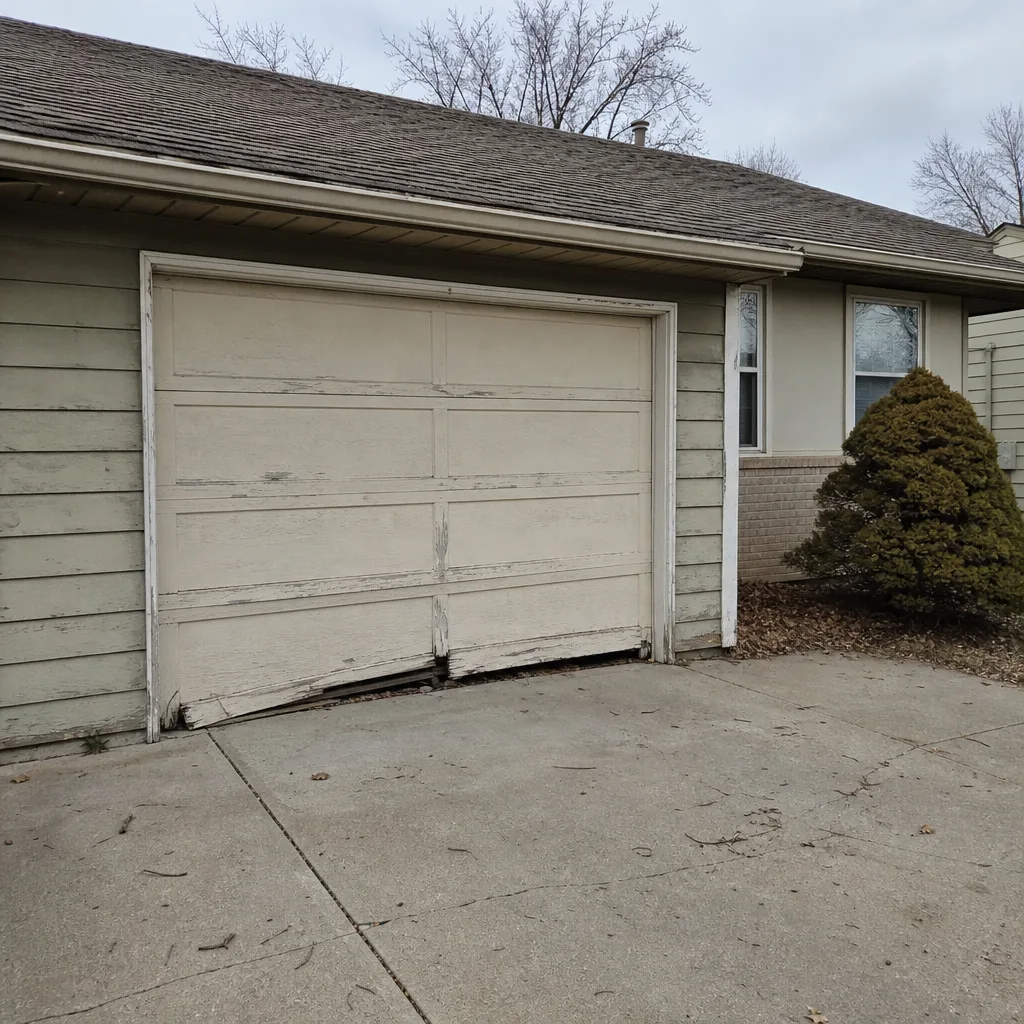 Before
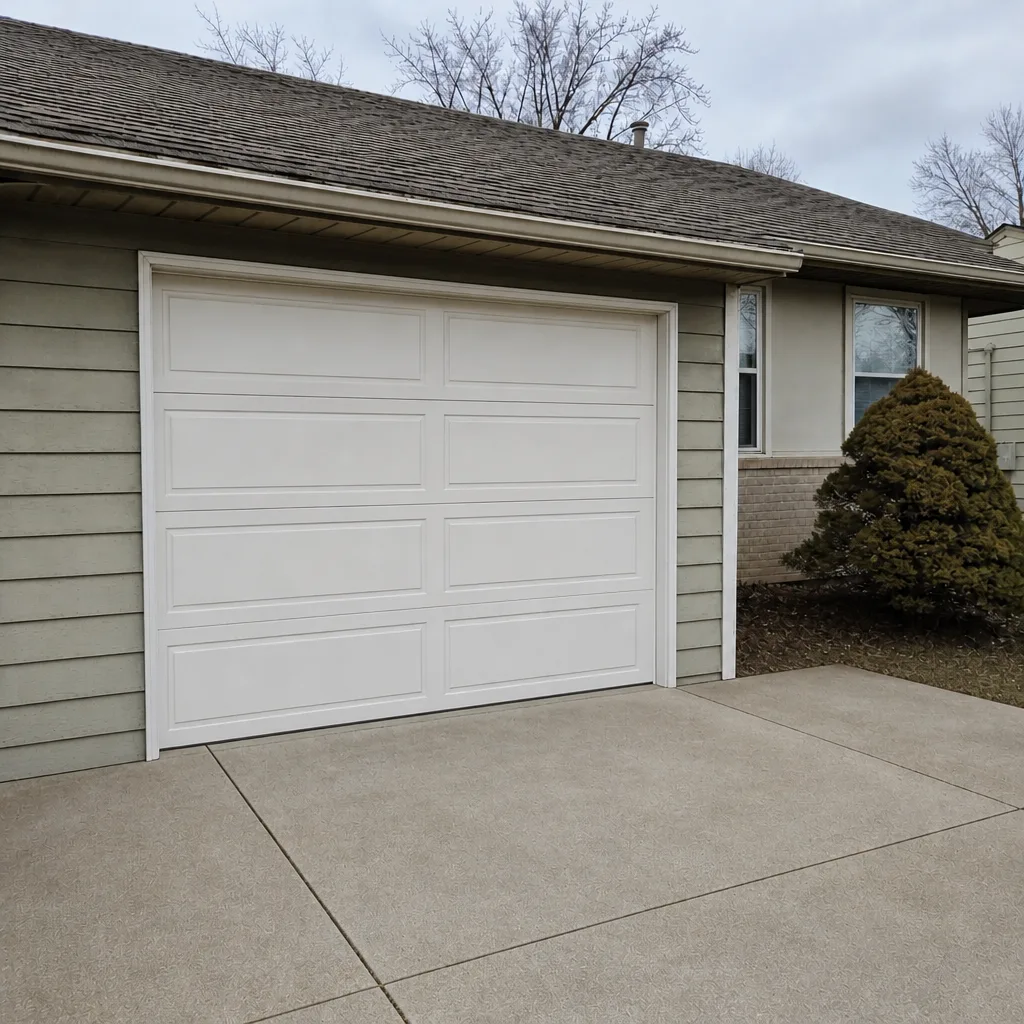 After
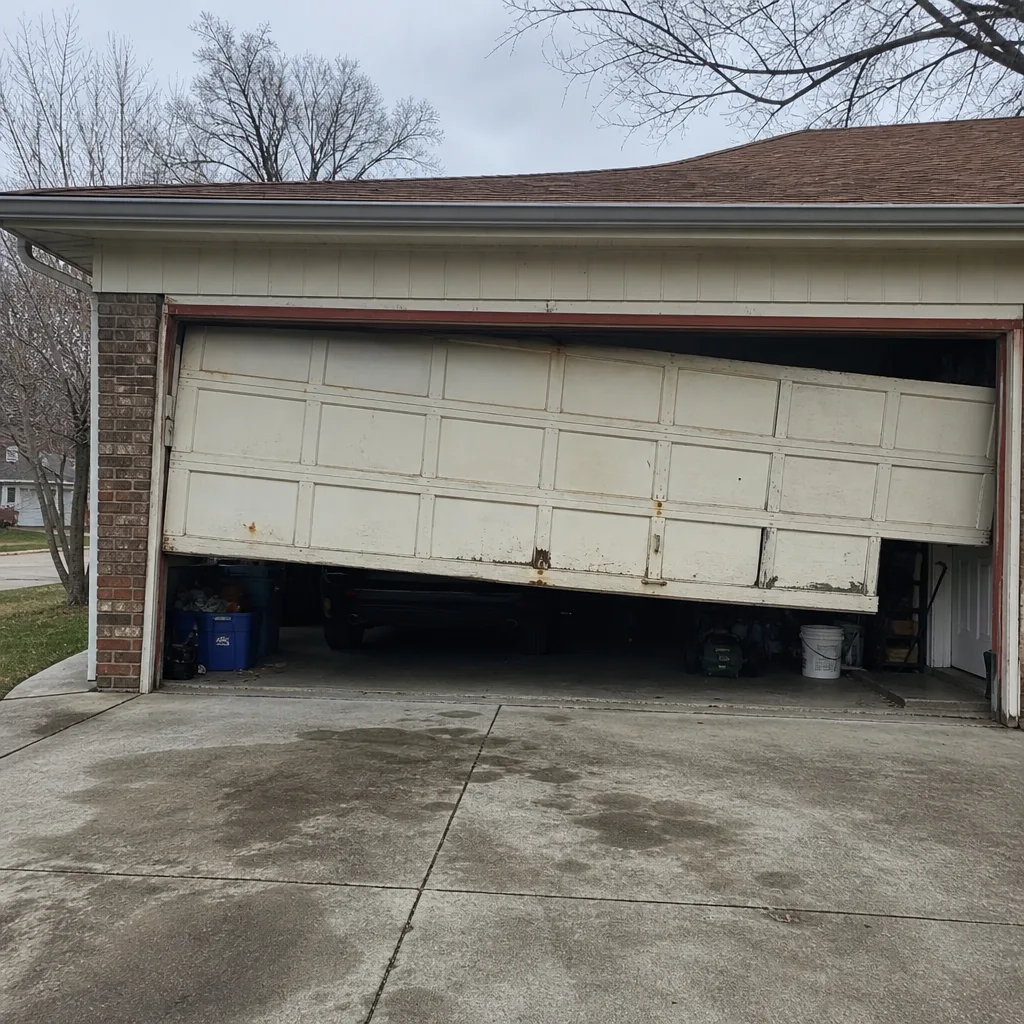 Before
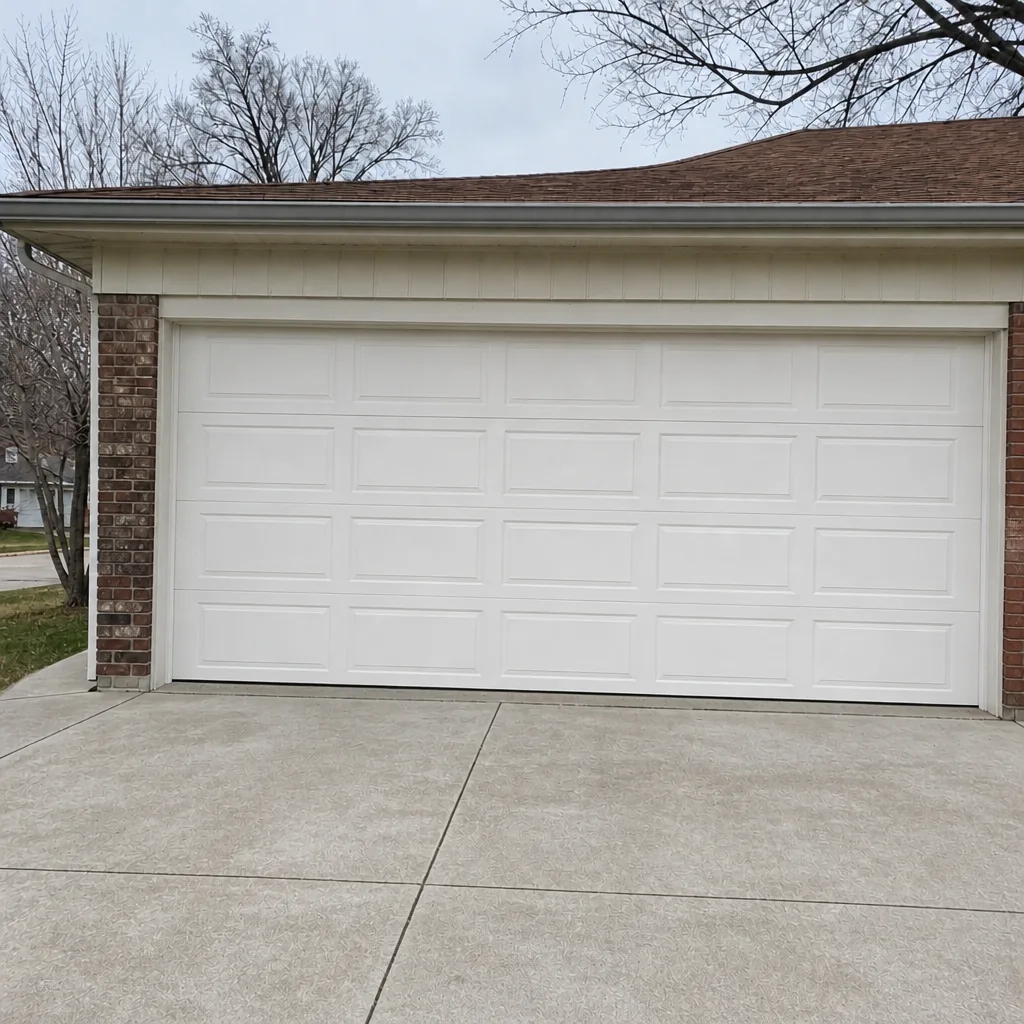 After
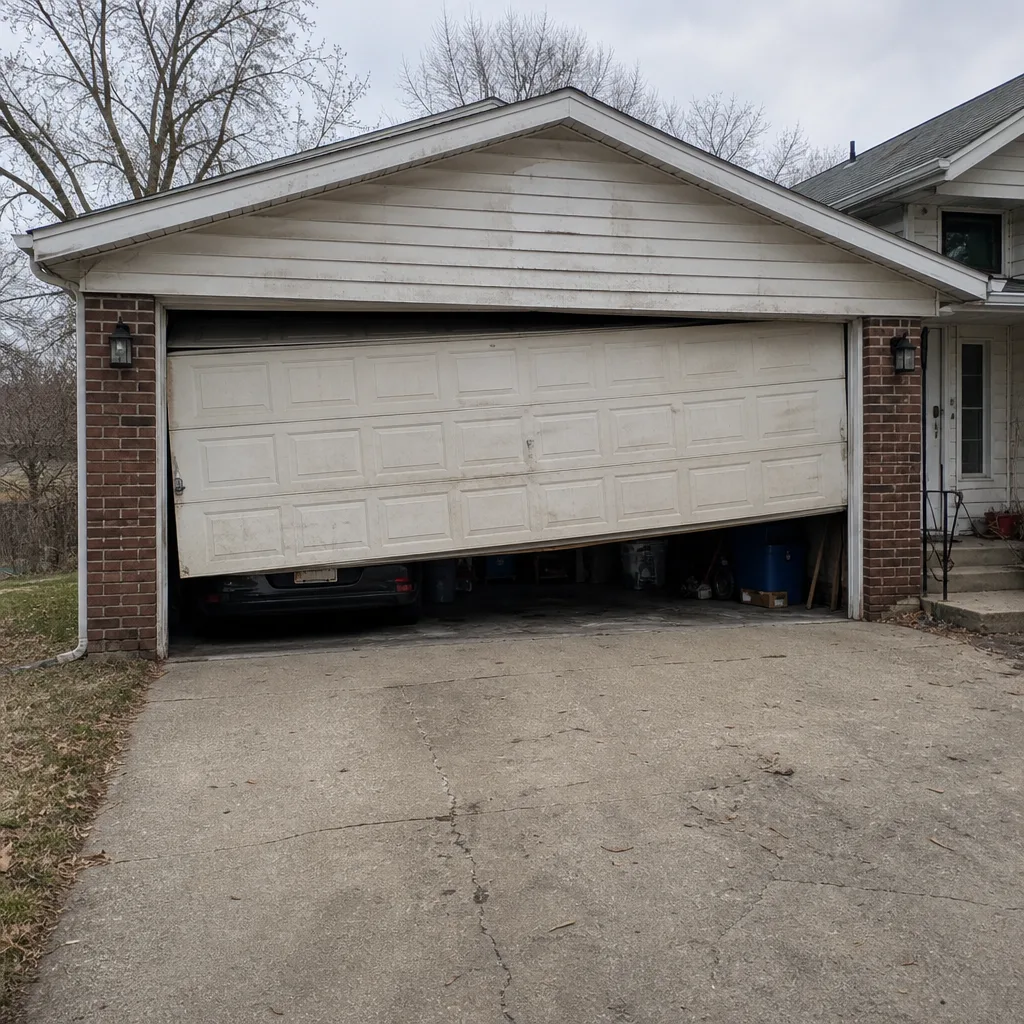 Before
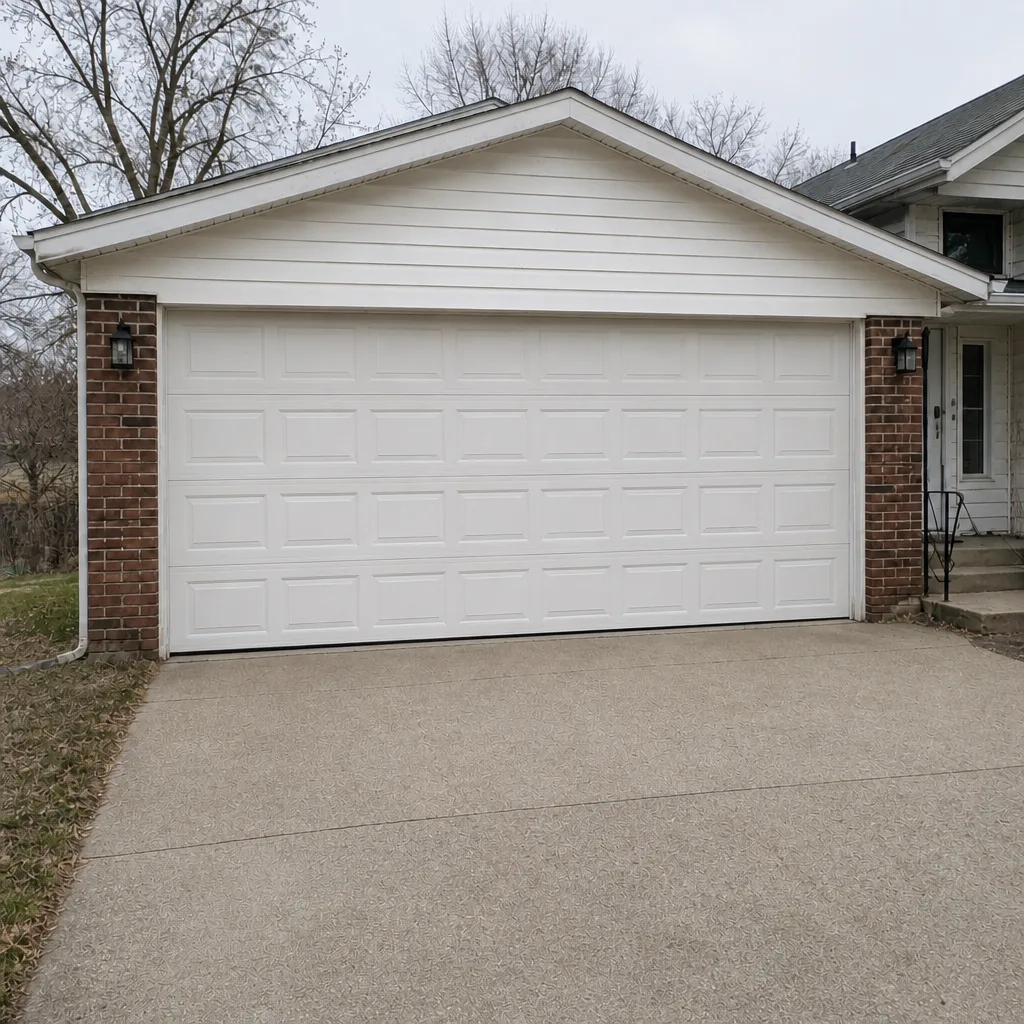 After
When to Call a Professional
The time to call is before you buy, not after. If you’re choosing between brands, a technician who works across lines can tell you which spec fits your opening and which parts are locally available. If a panel is cracked or a spring has snapped, that’s a repair call, and the brand on your door determines how fast it can be fixed. If your opener won’t lift the door or has stopped responding, that’s a drive-system problem, not a door problem, and it needs a diagnosis. If you’re replacing a door after storm damage, the wind-load reinforcement is part of the job. Repair, opener repair, and new installation all fall under one roof here, so you don’t need to source multiple contractors. Graystone Garage Door Repair offers free estimates in Kansas City. Call (855) 525-9808.
Frequently Asked Questions
There’s no single best brand. The right choice depends on your opening’s headroom and clearance, the material and wind rating your garage needs, and whether the brand has real parts support in the metro. Clopay, CHI, Amarr, and Wayne Dalton are all common here, and any of them can be the right answer for a given garage. A brand-neutral technician can tell you which one fits yours. Call (855) 525-9808 for a free estimate.
Brands with strong local dealer and parts density are easiest to repair, and in this market that usually means Clopay, CHI, Amarr, and Wayne Dalton. The determining factor is whether a matching section or spring can be sourced locally rather than shipped. Ask any installer how long a replacement part takes before you commit to the door. Call (855) 525-9808 for an exact quote.
A wind load rating tells you how much wind pressure a door is engineered and certified to resist. In a tornado-adjacent metro like Kansas City it matters, but only if the reinforcement the rating depends on is installed with it. A rated door on light track and short anchors doesn’t deliver the rating. Ask your city’s building department about any local requirements. Call (855) 525-9808 to schedule a measure.
Yes, plan the door and opener together. The opener’s pull has to match the door’s weight and balance, or it will strain and fail early. LiftMaster, Chamberlain, Genie, Craftsman, and Raynor covers most of what’s already on Kansas City ceilings, and a technician can pair the new door to the opener you own. Call (855) 525-9808 for a free estimate.
Only if it solves a problem your garage actually has. Price doesn’t automatically buy durability; spec, gauge, and installation quality do. A mid-tier brand with the right gauge, a certified wind rating, and strong local parts support often beats a premium brand installed poorly. The written estimate sets the final price, so compare specs, not just totals. Call (855) 525-9808 to talk it through.
Yes. We identify the door and opener you’re running first, then tell you what fits your opening and what’s locally available. Our technicians are trained across eight of the most widely installed brands, so the diagnosis comes from familiarity rather than guesswork. We work with your existing system instead of pushing a preferred line. Call (855) 525-9808. We answer 24/7, with fast dispatch from 7am to 7pm, Sunday through Friday.
The Bottom Line
Brand is the fourth question in a garage door decision, not the first. Measure your opening, decide what the door needs to do, match material and wind rating to your garage, then pick a brand with real parts support in Kansas City. The manufacturers you see most here, Clopay, CHI, Amarr, and Wayne Dalton among them, can each be right for the right garage; none of them is right for every garage. What separates a door that lasts from one that frustrates you is the spec and the install, not the logo. Get a brand-neutral opinion, and get the price in writing before any work starts.
Garage doors are all we do, and we work on what you already have. Whether you’re repairing a door, sorting out an opener, or choosing a new door for a Kansas City installation, we’ll diagnose it correctly the first time and give you a written estimate before we touch a thing. Solid work, no surprises. Call (855) 525-9808 for a free estimate. We answer 24/7. Fast dispatch from 7am to 7pm, Sunday through Friday.
Written by the team at Graystone Garage Door Repair, serving Kansas City since 2011.