
Last updated November 14, 2026
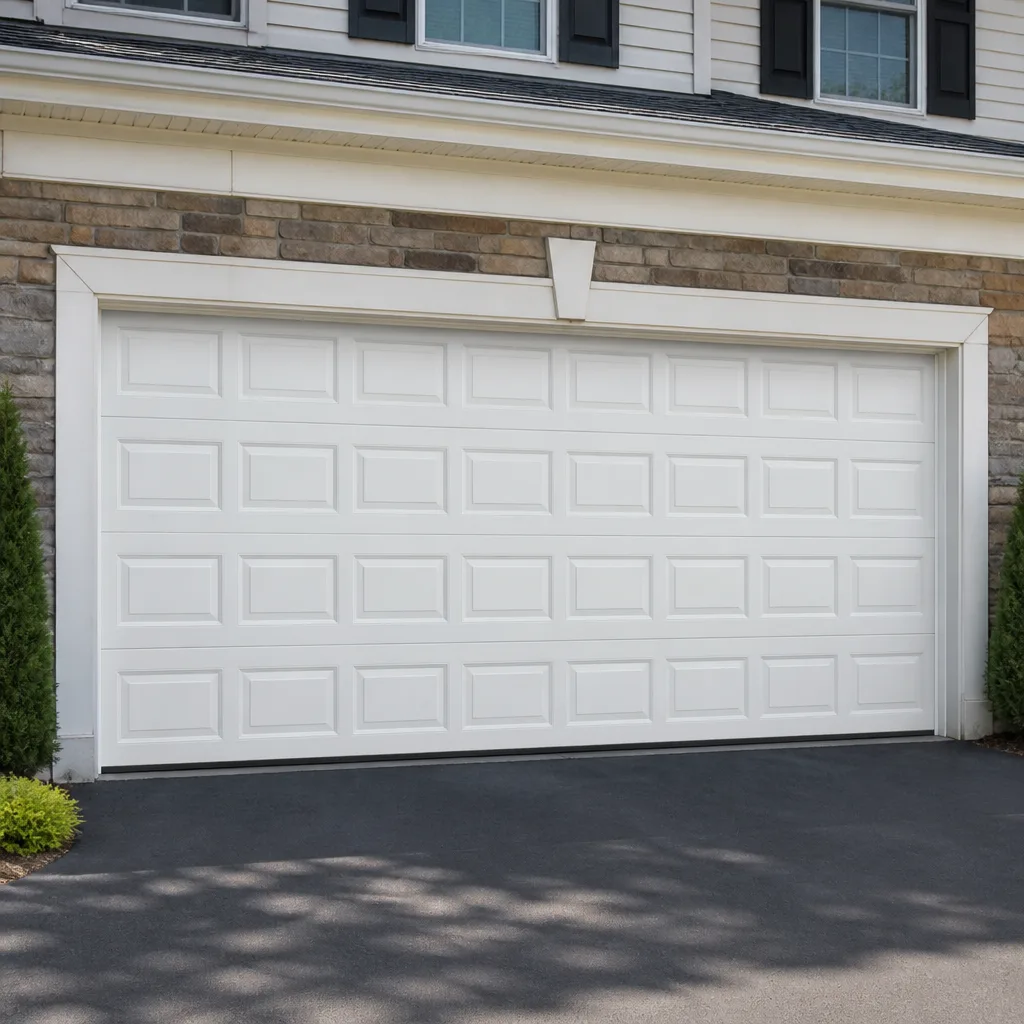 Raised-panel steel
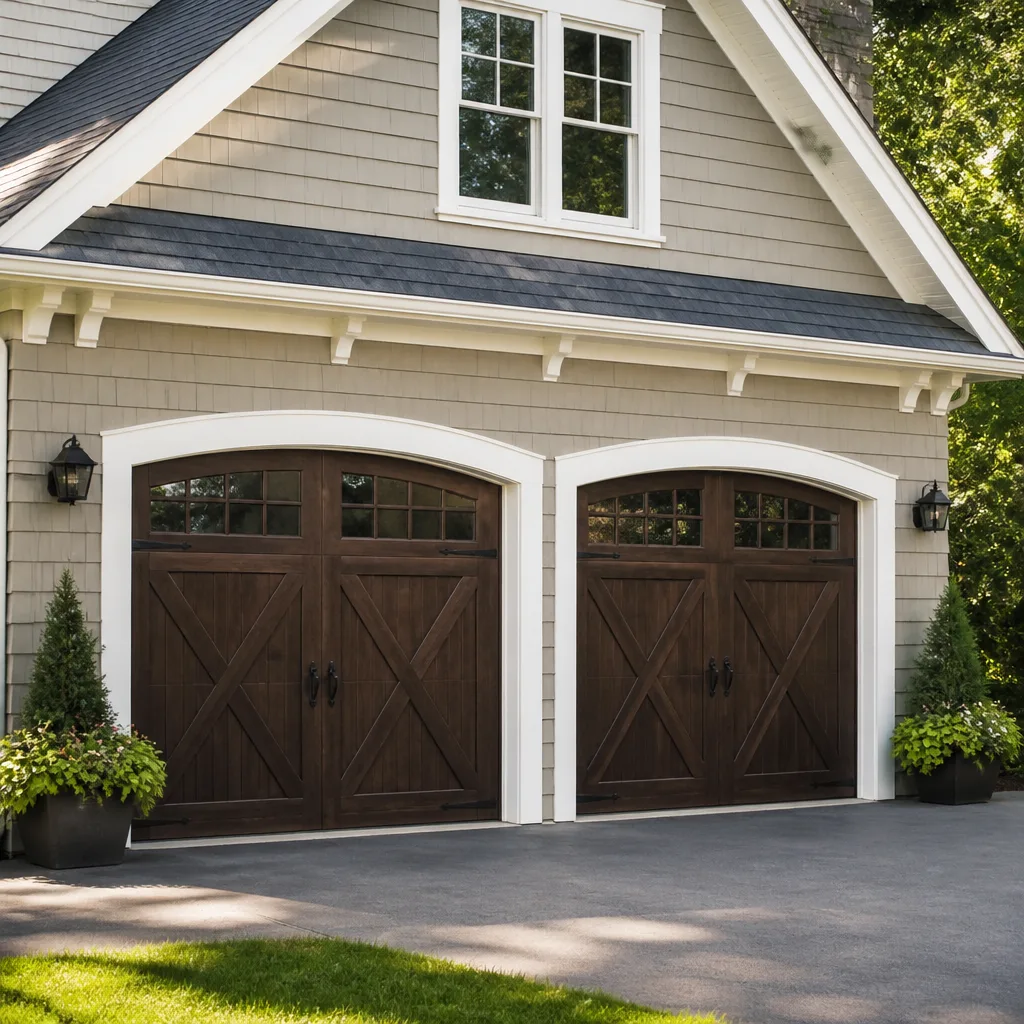 Carriage house
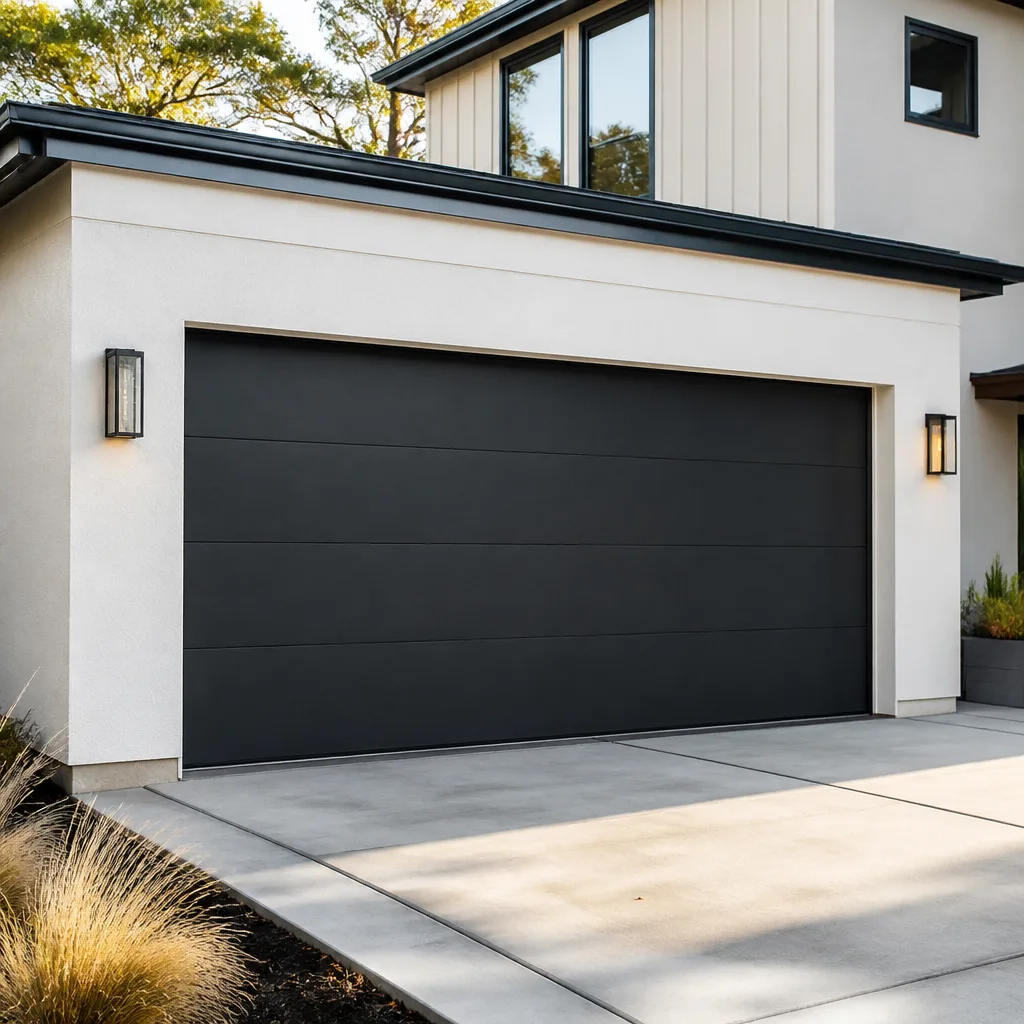 Modern flush
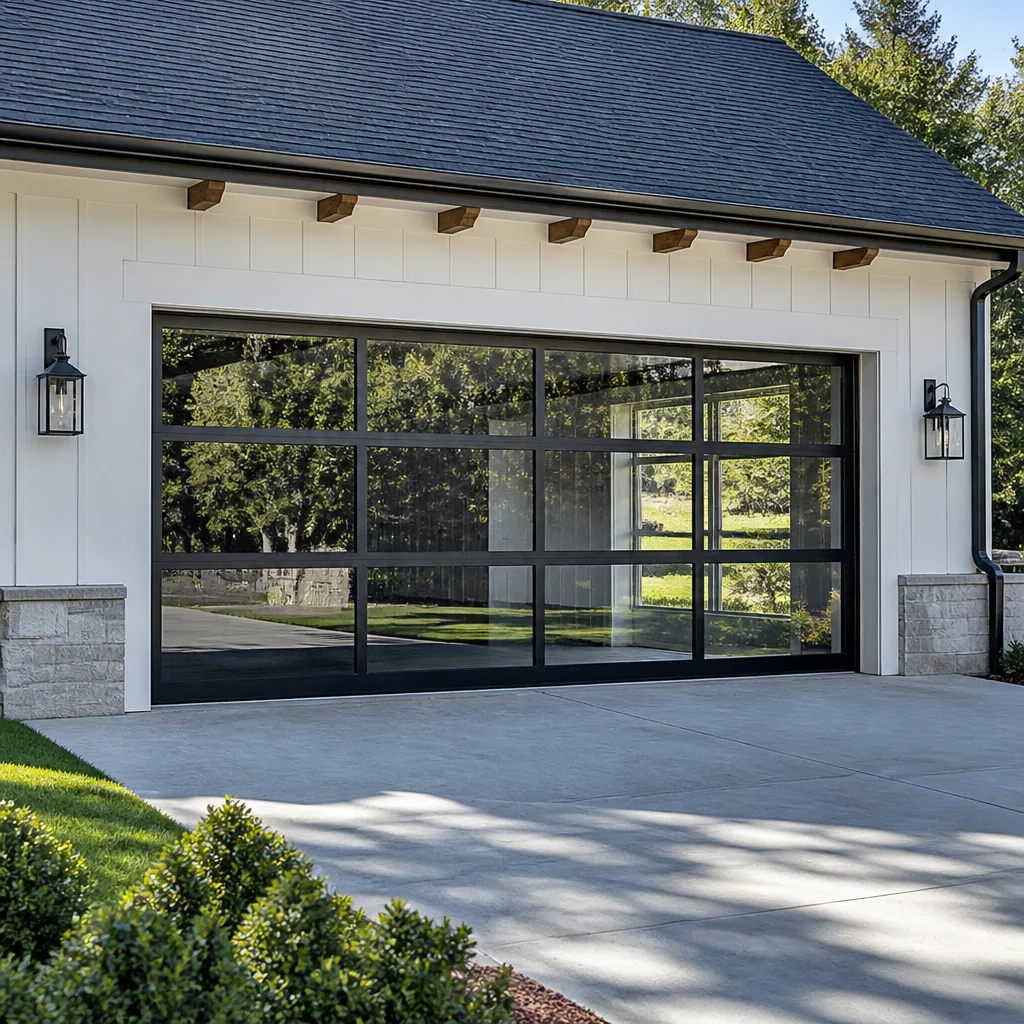 Full-view glass
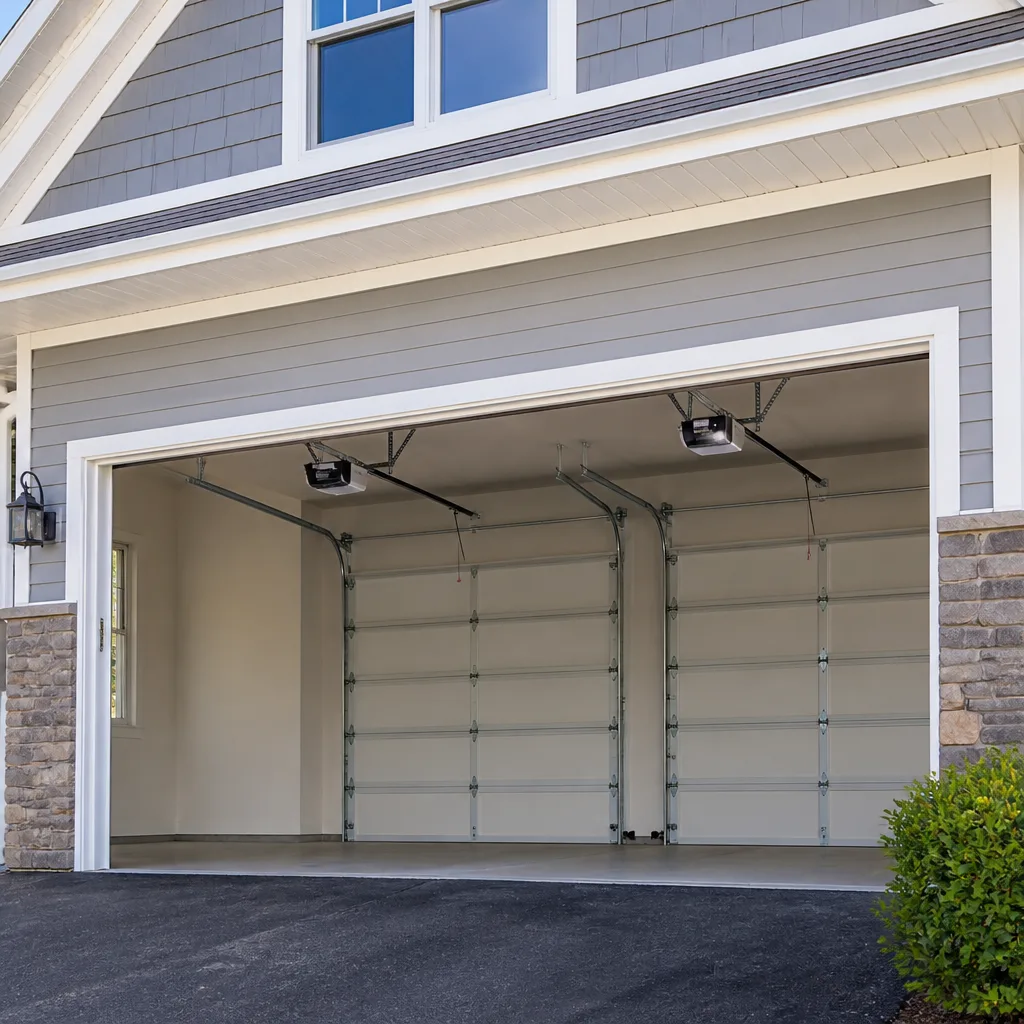 LiftMaster openers
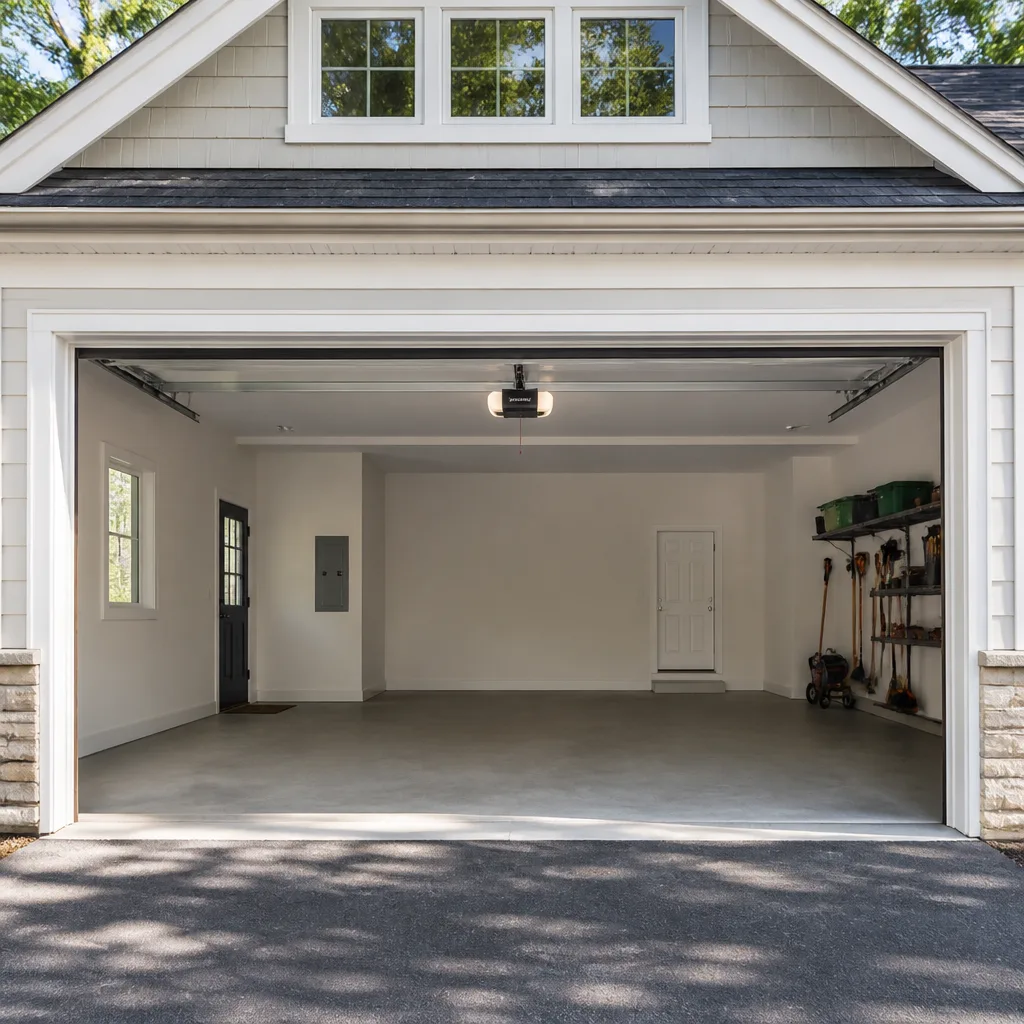 Chamberlain openers
Full 25-point door and opener safety check with every visit - springs, cables, rollers, tracks, and your LiftMaster or Chamberlain opener included
You get a price before we start. It does not change when the truck arrives.
Get your free estimateHow to Hire a Garage Door Contractor in Kansas City: A Step-by-Step Guide
Search for garage door repair in Kansas City and you’ll get a list where the garage door is often the side job. The company that shows up might spend most of its week on HVAC, fencing, or general handyman work, and the garage door line on its website is there to bring in leads. You usually don’t learn that until someone is standing in your driveway sizing up a job they do a few times a month. This guide gives you a way to tell the difference before you book anyone: the right questions to ask, what a real quote looks like, and how to check a Kansas City contractor’s actual track record.
Quick Answer
To hire a garage door contractor in Kansas City, confirm the company’s primary trade is garage doors, ask how they source parts for your existing brand, get a written line-item quote that separates labor from parts, and verify licensing and insurance under Kansas contractor rules before any work starts. A specialist diagnoses the door correctly the first time; a generalist guesses, and you pay for the guessing.
Styles & brands we work with
- Raised-panel steel
- Carriage house
- Modern flush
- Full-view glass
- LiftMaster openers
- Chamberlain openers
Table of Contents
- Why the Kansas City Market Makes Hiring Harder
- The License and Insurance Questions That Actually Apply in Kansas
- Why “Brand Certified” Can Be a Red Flag
- Three Questions About Parts That Reveal the Real Contractor
- How to Read a Garage Door Quote in Kansas City
- How to Verify a Track Record Beyond Google Reviews
- What Kansas City Weather Does to a Garage Door
- Red Flags in Quotes and Sales Talk
Why the Kansas City Market Makes Hiring Harder
Kansas City sits across two states, and that alone creates confusion. A contractor working in Kansas City, KS operates under Kansas rules; one working in Kansas City, MO works under Missouri rules. Homeowners often don’t know which side of the line the job sits on, and some contractors don’t clarify it either. The result is a market where a company licensed for one jurisdiction takes work in the other without saying so.
The second issue is category blur. Garage door work looks simple from the outside: a door goes up, a door comes down. So it attracts generalists. Fencing crews, handyman outfits, and remodeling companies list “garage doors” alongside thirty other services because the keyword is cheap to add. What they usually lack is the diagnostic instinct that comes from doing only this. When a door binds, jumps its track, or reverses halfway down, the fix depends on reading the whole system: springs, cables, rollers, hinges, and the opener logic together.
In our experience around Kansas City, the failures we see most often were misdiagnosed the first time by someone who wasn’t a specialist. A door that reverses might need an opener adjustment, a sensor alignment, or a spring that’s lost tension. Those are three different jobs with three different price points. A crew that does garage doors every day sees the pattern quickly. A crew that does them occasionally replaces parts until the door behaves.
That’s the core of the problem this guide solves. It isn’t that Kansas City lacks good contractors. It’s that the good ones and the dabblers look identical on a search results page, and the homeowner carries the cost of telling them apart after the fact.
If you’d rather skip the search entirely, Graystone Garage Door Repair works on what you already have, whatever brand it is, and garage doors are all we do.
The License and Insurance Questions That Actually Apply in Kansas
Generic advice says “ask if they’re licensed.” That’s not enough in Kansas. Kansas does not issue a single statewide contractor license covering all residential trade work. Licensing happens at the local level, and requirements vary by city and county. So the useful question isn’t “are you licensed?” It’s “which license do you hold, and with which city or county?” A contractor who can name the jurisdiction and the license type is a contractor who has actually dealt with it.
Insurance is the other half, and it’s the half homeowners skip. Ask two separate questions:
- General liability: Does the company carry it, and can they send a certificate of insurance showing the policy is current? This covers damage to your door, your vehicle, or your home if something goes wrong on the job.
- Workers’ compensation: If a technician is injured at your house, this is the coverage that matters. A company with employees should carry it. A one-person operation may be exempt, which is a fair thing to ask about directly.
Both are reasonable requests, and a professional company expects them. If a contractor gets defensive about producing a certificate of insurance, that tells you something useful before any work begins.
Two more Kansas-specific points worth knowing:
- Ask whether the company handles permits when the job requires one. A full door replacement often triggers a permit requirement depending on the city. Ask your city’s building department whether your specific job needs one, and ask the contractor whether they’ll pull it or expect you to.
- Ask for the business’s legal name and confirm it matches the name on the quote, the insurance certificate, and the invoice. Mismatches are common with subcontracted crews, and they make it hard to know who’s actually responsible if something goes wrong.
None of these questions require expertise to ask. They only require knowing they exist, which most homeowners don’t until it’s too late.
Why “Brand Certified” Can Be a Red Flag
It sounds reassuring: a contractor who is “certified” on a specific brand. And sometimes it is. But in the garage door market, brand certification often signals a dealer relationship, and a dealer relationship creates an incentive to sell that brand. If a company is a certified installer for one manufacturer, its recommendation for your repair may lean toward replacing your existing system with that manufacturer’s product, whether or not that’s the right call.
The better signal is breadth. A contractor who works across many brands, including Amarr, Wayne Dalton, and Raynor, can diagnose your door on its merits because there’s no product line to push. When a company’s entire business is one brand, ask what happens when your door isn’t that brand.
There’s a practical version of this question too. Some manufacturers restrict certain parts to authorized dealers. A single-brand shop may genuinely not be able to source parts for another brand’s opener or door. A multi-brand specialist keeps a wider parts network, which means fewer “we’ll have to order that” delays and fewer recommendations to replace something that’s still serviceable.
What to ask instead of “are you certified”:
- Which brands do you work on regularly?
- Do you sell a preferred brand, and does that affect your recommendation?
- Can you service my existing door and opener as they are, or is replacement the only path you offer?
The answer you want is one where the contractor treats your existing system as the starting point. Garage doors are all we do, and we work on the eight most widely installed brands. Whether it’s a LiftMaster opener or a Wayne Dalton panel, the diagnosis comes from familiarity, not from a dealer sheet.
Three Questions About Parts That Reveal the Real Contractor
Parts sourcing is the quiet tell. It separates a contractor who can service what you have from one who can only sell you something new. Ask these three questions before booking.
1. “What parts do you carry on the truck?” Common repair items, like rollers, hinges, and sensors, should be on hand for a routine repair. If everything requires an order, a same-day repair becomes a multi-visit project. This doesn’t mean every part is stocked; springs and openers vary too much. But the basics should be there.
2. “Can you source parts for my specific brand and model?” Give them your brand when you ask. If they can name the parts they’d likely need for a Craftsman opener or an Amarr panel, they’ve worked on it. If the answer is vague, they probably haven’t.
3. “If my opener is repairable, will you repair it, or is replacement the default?” Openers are a common upsell. A specialist treats opener repair as its own discipline: the drive system, the logic board, the sensors, the smart-connectivity layer. A generalist swaps the whole unit because that’s the simpler job.
Why does this matter so much? Because garage door work involves two failure layers that are easy to conflate: the mechanical door system and the opener system. A door that won’t close might be a mechanical problem (track, rollers, springs) or an opener problem (sensor, travel limits, logic). Diagnosing correctly means understanding both at once. A contractor who handles only one layer tends to fix the wrong one.
This is also where “garage doors are all we do” earns its keep. garage door repair and garage door opener repair are two disciplines, and covering both in one visit cuts the diagnostic guesswork in half.
How to Read a Garage Door Quote in Kansas City
A good quote is specific, itemized, and written. A bad one is a single number delivered verbally. Here’s what should always appear, and what a missing line item usually means.
Every garage door quote should separate:
- Parts: each part, its quantity, and its price.
- Labor: stated as its own line, not folded into the parts price.
- Diagnosis: how the contractor identified the problem, so you can follow the logic.
- What’s included and what isn’t: for example, whether hauling the old door away is part of the job.
- The final price, in writing, before work starts: quoted and agreed in advance.
Common omissions that signal a low-ball setup for later add-ons:
- No labor line. If labor is hidden, the “quote” is really just a parts estimate, and labor appears on the invoice.
- No mention of disposal or haul-away on a replacement job.
- No spring count. Springs are replaced in matched pairs, and a quote that mentions “spring” without saying how many is ambiguous.
- No permit line, where a permit applies, and no statement about who pulls it.
- No stated scope. “Repair door” isn’t a scope; “replace both torsion springs and rebalance the door” is.
For reference, spring repair in the Kansas City market typically runs $180 – $340 for a single spring. A matched pair is usually replaced together, so a pair runs about twice that. A quote that shows one range for a pair is a quote that hasn’t thought it through.
One more thing to ask on any large job: “Will the price change once you see it?” A professional answers that the written estimate sets the price, and that if something unexpected turns up, you’ll be told before any additional work is done. Get that in writing too.
How to Verify a Track Record Beyond Google Reviews
Reviews matter, but they’re only one layer. A contractor can have a wall of five-star ratings and still cut corners on permits, or operate under a business name that doesn’t match its filings. Here’s how to check deeper.
Permit history. This is the underused check. If garage door replacement requires a permit in your city, the permit record shows whether a contractor actually pulls them. Contractors who skip permits leave a trail of missing records. Ask your city’s building department how to search permit history for an address, and check whether past work by the contractor was permitted.
Better Business Bureau filings. The BBB isn’t perfect, but it records complaints and responses, and it lists how long a company has operated under its current name. A long operating history under one name is a good sign. Frequent name changes aren’t.
Secretary of State business registration. In Kansas, you can confirm a business’s legal registration and status. This catches companies that operate under a trade name with no active registration behind it.
Insurance certificates, again. Ask for one on the current job, not a generic form letter. The certificate should show a live policy with dates.
References for similar work. Not testimonials; specific references for the type of job you’re having done. If your job is a full replacement, ask for references to replacements.
Cross-check these against each other. A contractor with current registration, a clean BBB record, permits on file, and a live insurance certificate is a contractor worth a call. A contractor who can only produce reviews is a contractor who hasn’t been checked.
If you’re on the Kansas side, our Kansas City service is a useful starting point for questions about how jobs are handled locally.
What Kansas City Weather Does to a Garage Door
Kansas City’s climate is hard on garage doors in a specific, predictable way. Summers are hot and humid, winters bring hard freezes, and the region swings between the two more than once in a typical year. That cycle stresses the parts that hold tension: springs, cables, and hinges. A door that was fine in October can bind in January, not because it aged suddenly, but because cold contracted the metal and the tolerances shifted.
Humidity does its own work. Wood components swell and warp, metal fasteners corrode slowly, and the rollers and tracks accumulate grit. Doors facing west take the brunt of summer sun, which degrades seals and paint faster than doors in shade.
What this means for hiring: ask whether the contractor accounts for seasonal movement when balancing a door or setting opener travel limits. A door balanced in July may need rebalancing by winter. A contractor who understands the local climate will mention this. A contractor from out of the area, or a generalist, usually won’t.
It also shapes the repair-versus-replace call. A door with surface wear is often worth repairing. A door with structural warping from years of seasonal movement may not be. The judgment comes from seeing a lot of doors in this climate, not from a checklist.
Red Flags in Quotes and Sales Talk
Some red flags are obvious. Others hide in the wording. Here’s what to listen for.
- “We can be there in an hour” on a replacement job. Replacements are measured, ordered, and scheduled. A company promising same-day replacement hasn’t measured your door. Same-day is reasonable for repair; it’s a warning sign on installation.
- A verbal quote only. If it isn’t written, it isn’t a quote. Ask for it in writing, with line items.
- A price quoted before anyone looks at the door. Springs, cables, and openers differ enough that a real number requires a look. A firm price over the phone is a guess dressed up as a quote.
- Pressure to decide today. Garage doors don’t get cheaper tomorrow, and no legitimate contractor needs a signature on the spot.
- One brand pushed hard. If every recommendation ends at the same manufacturer, ask why, and ask what the alternatives are.
- No mention of insurance or licensing. A contractor who doesn’t bring it up may not have it. Ask directly and ask for documents.
- No explanation of the diagnosis. If you can’t follow how they arrived at the repair, ask them to walk you through it. A specialist can; a guesser can’t.
One safety note that belongs in any hiring guide: torsion springs and cables are under high tension, and a failure can cause serious injury. A professional handles them with the right tools and technique. If a contractor suggests you handle spring or cable work yourself, that’s reason enough to end the conversation.
Common Mistakes to Avoid
- Hiring on price alone. The lowest quote is often the one with the most missing line items, and those gaps become add-on charges on the invoice. Compare quotes line by line, not number to number.
- Treating “licensed” as a yes/no question. In Kansas, licensing is local. Ask which city or county license they hold, and ask for the certificate of insurance separately.
- Skipping the permit question. Replacement jobs often require a permit depending on the city. Ask your building department, and ask the contractor who pulls it.
- Assuming reviews are the whole picture. Reviews tell you how a company treats customers. Permit records and BBB filings tell you how it operates. Check both.
- Accepting a replacement recommendation without a repair estimate. If a contractor jumps straight to replacement, ask what repair would cost and why replacement is the better call.
- Letting the opener be an afterthought. The opener is a separate system with its own failure modes. Ask whether the contractor handles opener repair as a specialty or replaces the unit by default.
- Ignoring the seasonal timing. A door that fails in the first cold snap of a Kansas City winter may just need adjustment, not replacement. Get a diagnosis before agreeing to a new door.
See the difference
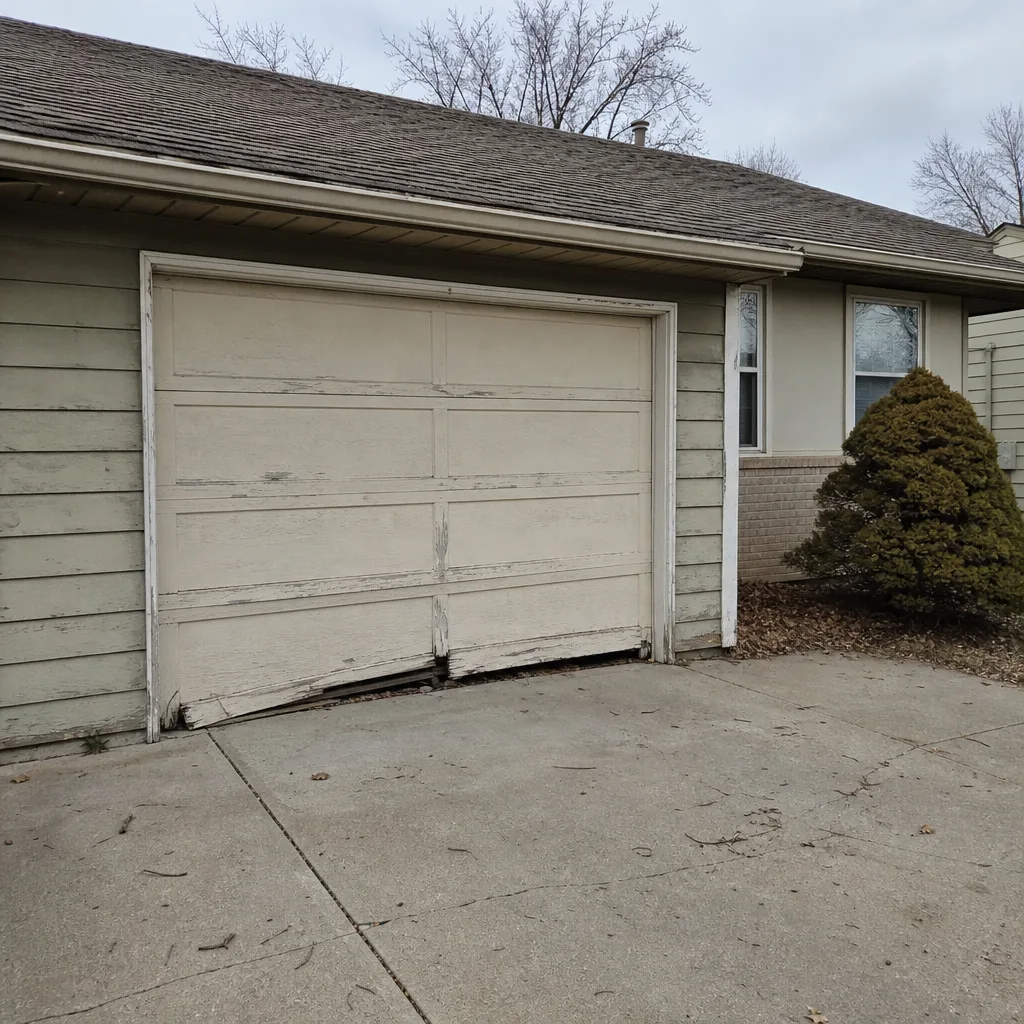 Before
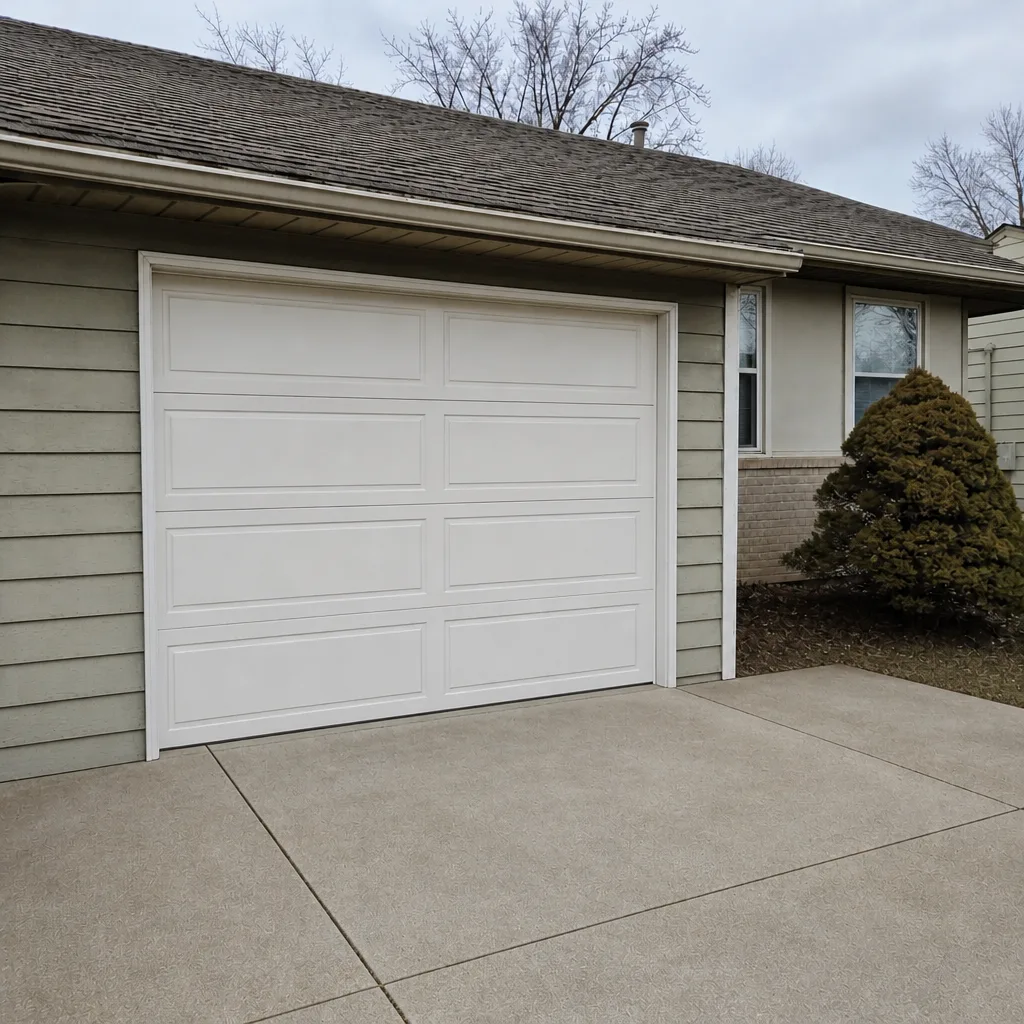 After
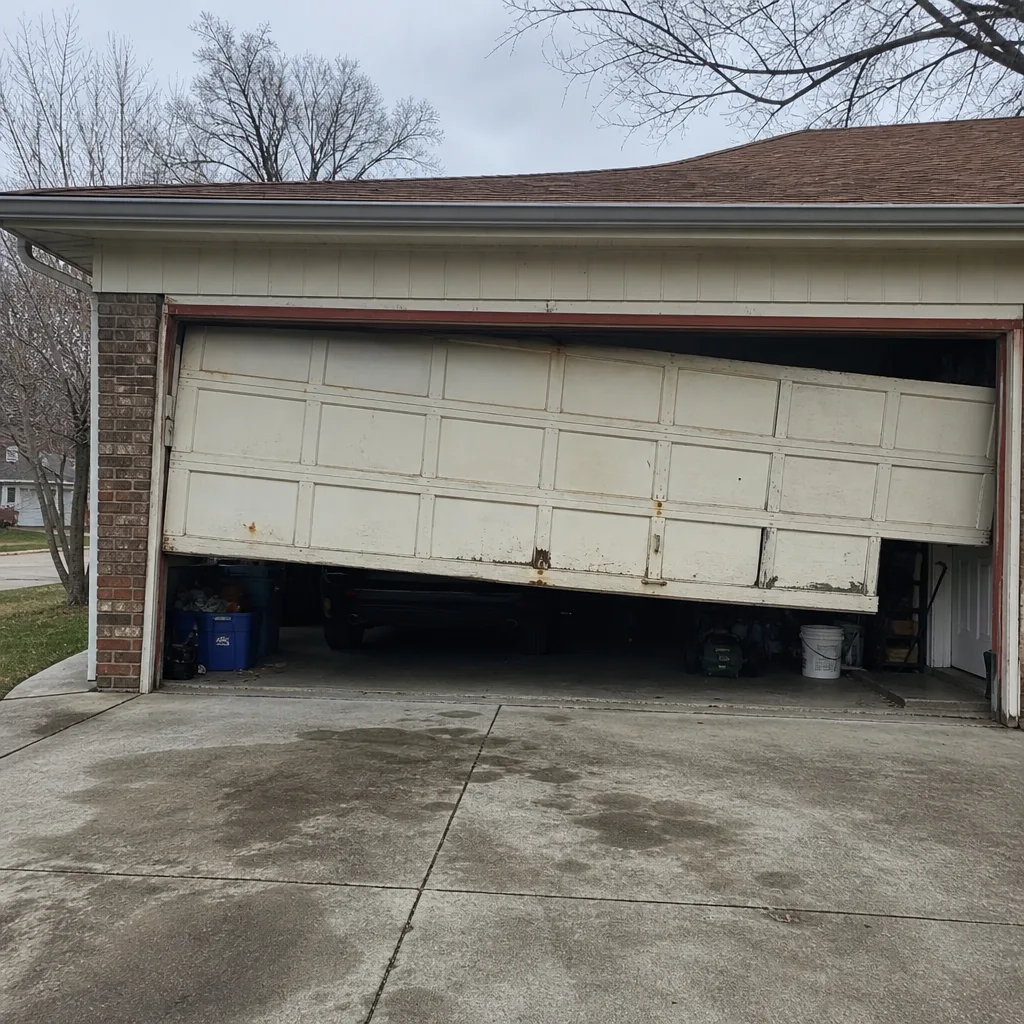 Before
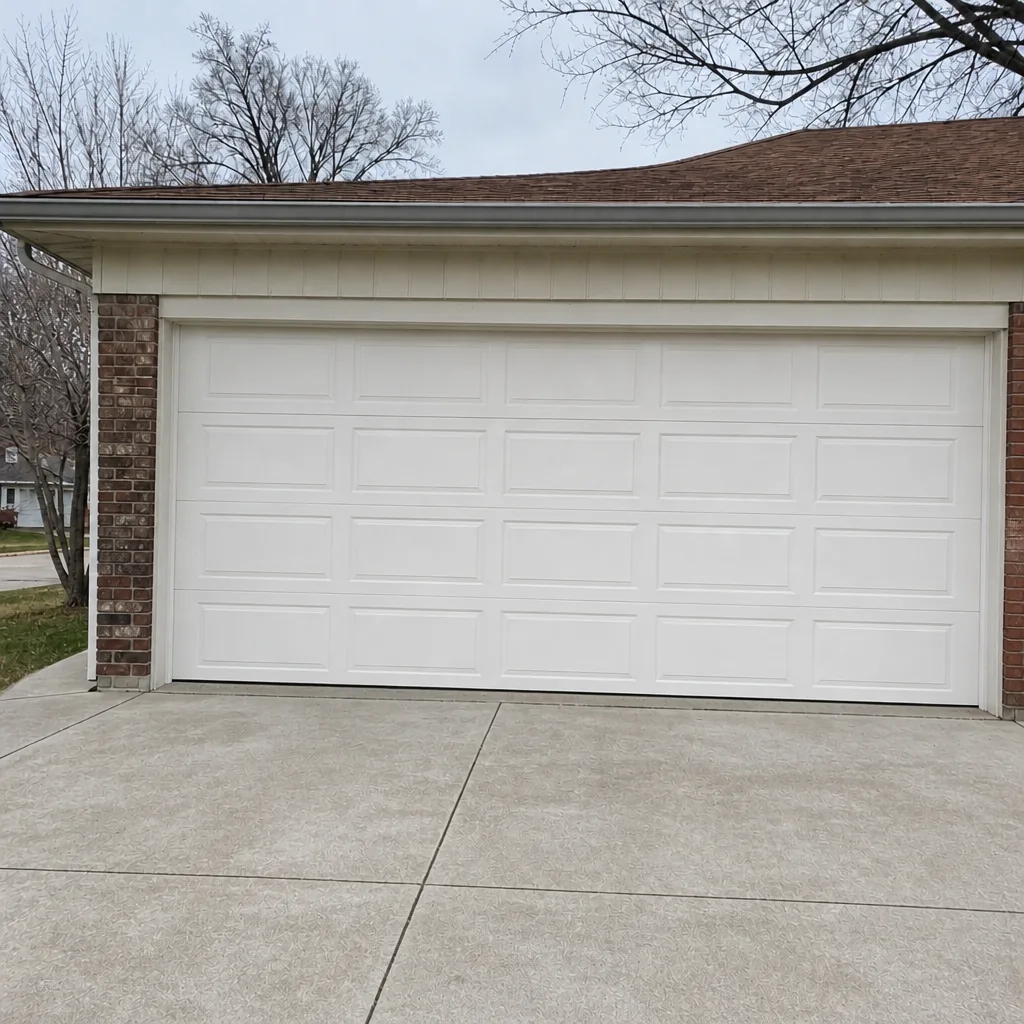 After
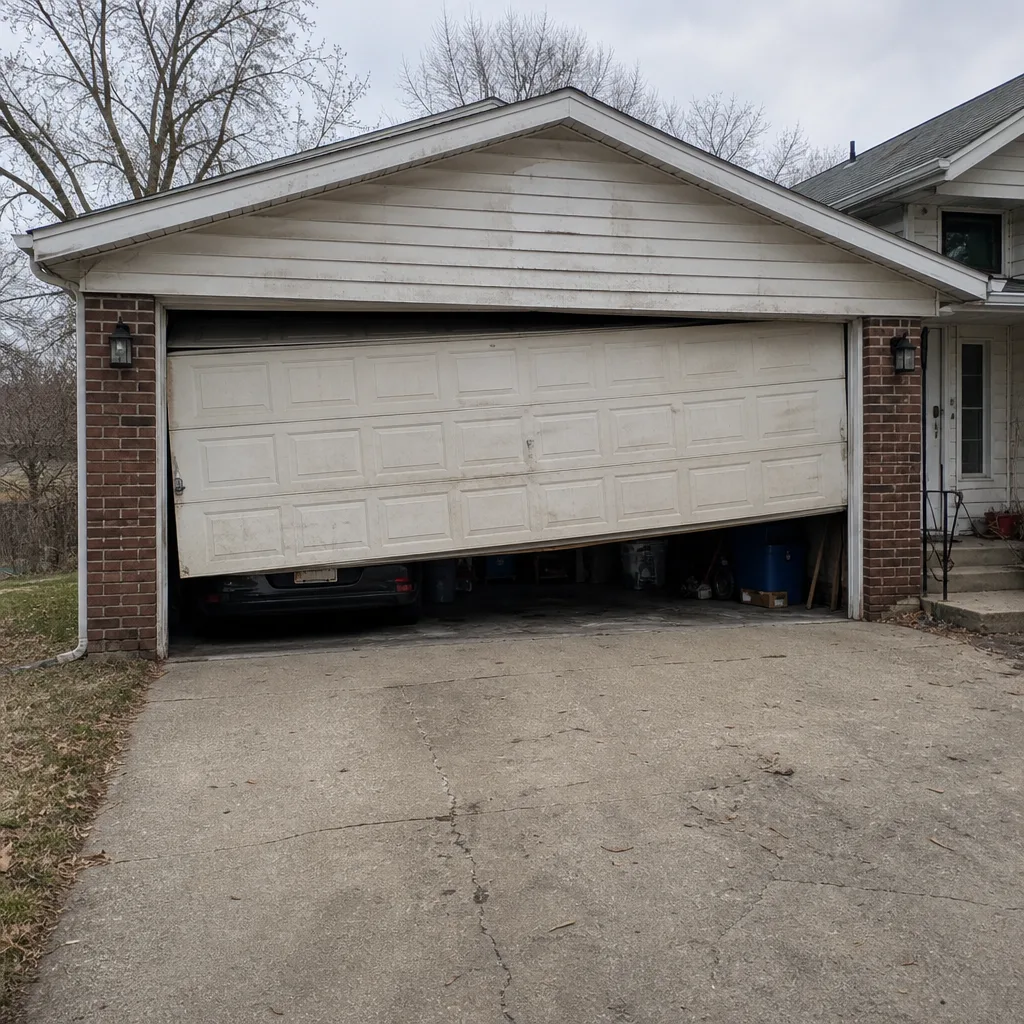 Before
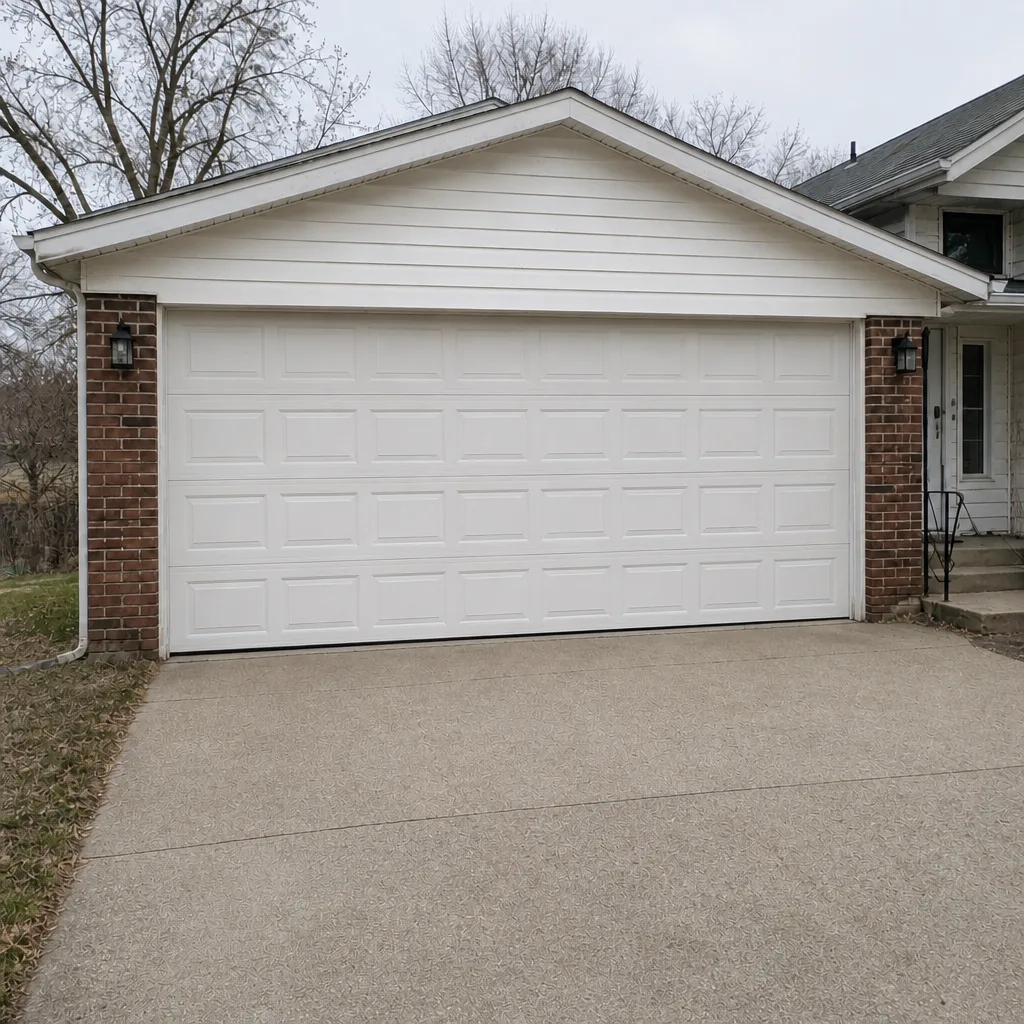 After
When to Call a Professional
Some garage door problems are genuinely dangerous, and some are just inconvenient. Know which is which.
Call a professional for anything involving springs, cables, or the torsion assembly. These parts hold stored energy, and a slip can cause serious injury. Call for a door that has come off its track, a door that’s visibly sagging or unbalanced, and any opener that sparks, smells of burning, or behaves erratically. Call when a door reverses without an obstruction, since that’s a sensor or logic problem that can be diagnosed quickly. And call when you’re planning a replacement, because measuring and ordering is a different job from repair and needs to be scheduled, not squeezed in.
Graystone Garage Door Repair offers free estimates in Kansas City. Call (855) 525-9808 to get a written price before any work starts.
Frequently Asked Questions
Ask what percentage of their work is garage doors and whether they handle repair and opener repair as core services rather than sidelines. A specialist can name the brands they work on and explain how they diagnose a door, while a generalist tends to describe garage doors as one of many offerings. If the answer sounds like a service list rather than a specialty, keep looking.
Kansas does not issue a single statewide contractor license covering all residential trade work; licensing is handled at the local level. Ask a contractor which city or county license they hold and request a certificate of insurance for the current job. Confirm with your city’s building department what applies to your address.
Brand certification often reflects a dealer relationship, which creates an incentive to recommend that manufacturer’s products even when a repair would work. Ask whether the contractor sells a preferred brand and whether that affects the recommendation. A contractor who works across many brands, including Amarr, Wayne Dalton, and Raynor, has no product line to push.
Every quote should separate parts from labor, state the diagnosis, list what’s included and what isn’t, and give the final price in writing before work starts. On a spring job, it should say how many springs. On a replacement, it should say whether haul-away and permits are included. A quote missing those lines is usually a setup for add-on charges.
Spring repair in the Kansas City market typically runs $180 – $340 for a single spring, with a matched pair running about twice that since the pair is usually replaced together. Other repairs vary by the part involved. Call (855) 525-9808 for an exact quote; estimates are free.
Same-day repair is often possible on routine issues like springs, rollers, and sensors. Replacement work is measured, ordered, and scheduled, so it isn’t a same-day job. Call (855) 525-9808. We answer 24/7, with fast dispatch from 7am to 7pm, Sunday through Friday.
The Bottom Line
Hiring a garage door contractor in Kansas City comes down to a few checks that most homeowners never make. Confirm the company’s primary trade is garage doors. Ask which local license they hold and for a certificate of insurance. Ask how they source parts for your existing brand, and listen for whether they treat repair as a real option. Get a written, itemized quote that separates parts from labor and states the price before work starts. Then verify the track record through permit history and BBB filings, not just reviews.
Do those things, and you’ll know who’s a specialist and who’s a lead magnet. Graystone Garage Door Repair works on the eight most widely installed brands, handles repair, opener repair, and installation, and quotes the price in writing before anything begins. Call (855) 525-9808 for a free estimate. We answer 24/7. Fast dispatch from 7am to 7pm, Sunday through Friday, and we’re closed Saturday.
Written by the team at Graystone Garage Door Repair, serving Kansas City since 2011.